


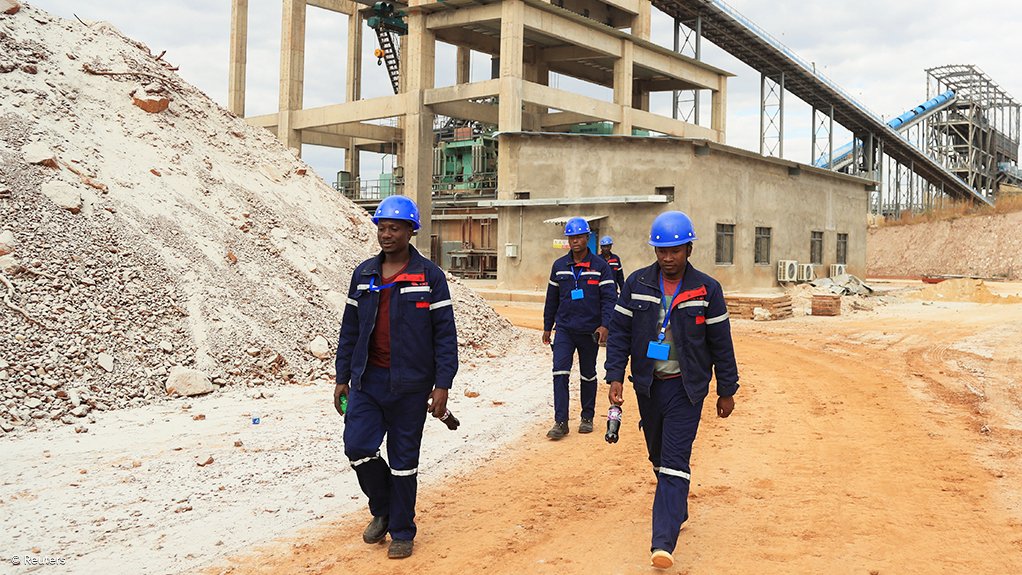
Zimbabwe has abruptly suspended shipments of lithium ore and concentrates in a bid to compel foreign companies to process the mineral locally rather than export it in raw form.
The decision immediately sent shockwaves through global markets, particularly in China, which relies heavily on Zimbabwean lithium for its battery industry.
On the Guangzhou Futures Exchange, lithium carbonate contracts surged over 6% to approximately ¥178,000 per ton, briefly spiking above 9% earlier in the session.
The sharp increase reflects growing concerns about potential supply shortages at a time when global demand for electric vehicles and renewable energy storage is accelerating.
As Africa’s leading lithium producer, Zimbabwe’s new policy exemplifies a broader trend of resource nationalism, with countries seeking greater control and value from their natural assets.
While the ban could ultimately attract investment in local refining and manufacturing, in the short term it has created uncertainty and volatility across the global supply chain.
For China, the suspension underscores the urgency of diversifying supply sources, with potential alternatives in Australia, Chile, and Argentina.
In the immediate term, however, the ripple effect is expected to impact the electric vehicle sector most acutely, where battery costs are highly sensitive to lithium price fluctuations.
Reuters/Hauwa M.