


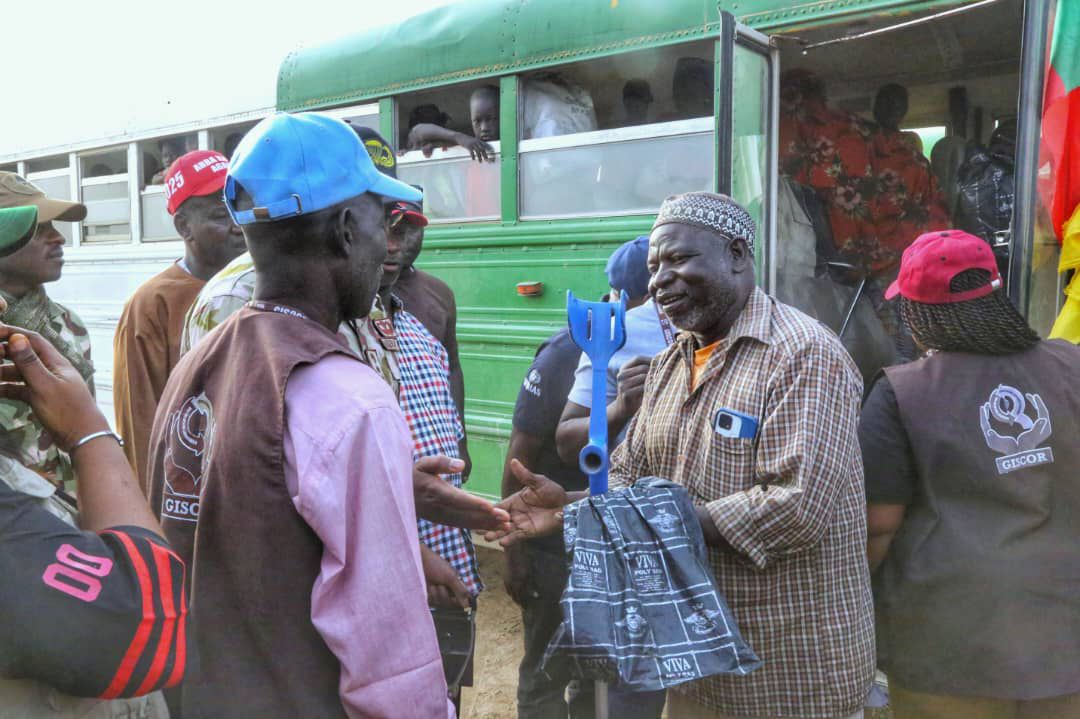
The first batch of 300 Nigerian refugees has successfully returned to Gwoza Local Government Area of Borno State, marking the official commencement of the fourth phase of the ongoing refugee repatriation exercise.
The returnees, drawn from 75 households, arrived in Pulka in a well-coordinated and dignifying process, signalling a significant step forward in the state’s long-term resettlement agenda.
Emotional Transition
For the families, the journey went far beyond a physical border crossing. It was an emotional transition from more than a decade of displacement to the rebuilding of livelihoods, after spending over 11 years in an Internally Displaced Persons (IDP) camp in the Republic of Cameroon.
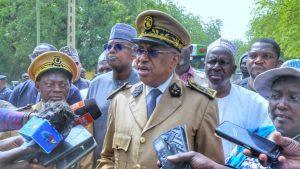
The development follows Borno State Governor, Professor Babagana Umara Zulum’s visit to the refugees’ camp in Cameroon on 8 December 2025, where he reaffirmed his administration’s commitment to a voluntary, safe, and dignified return of displaced persons.
Significant Achievements
Chairman of the Borno State Sub-Committee on Repatriation, Lawan Abba Wakilbe described the exercise as one of the most significant achievements of the present administration.
“This homecoming is a testament to our collective resolve. We are not merely relocating people; we are restoring lives and rekindling hope within our communities,”
Demonstrating strong regional cooperation, the Governor of Cameroon’s Far North Region, Minjinyawa Bakari, personally bade the refugees farewell, reaffirming the enduring bilateral partnership between Nigeria and Cameroon in addressing the humanitarian consequences of insurgency within the Lake Chad Basin.
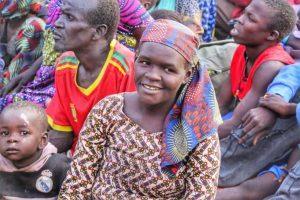
On arrival in Pulka, the returnees were formally received by local authorities and security agencies. In deeply emotional scenes, some returnees knelt to touch the soil of their homeland, others offered prayers of gratitude, while children many of whom had spent most of their lives outside Nigeria looked on with curiosity at their ancestral land.
To support reintegration, each household head received ₦500,000, while each wife was given an additional ₦50,000.
The Borno State Government also distributed mattresses and wrappers, while the National Commission for Refugees provided essential food items including rice, millet, beans, and cooking oil.
Officials say the current phase forms part of a broader strategy aimed at stabilising resettled communities, rebuilding critical infrastructure, and restoring livelihoods across insurgency-affected areas of the state.
Lateefah Ibrahim