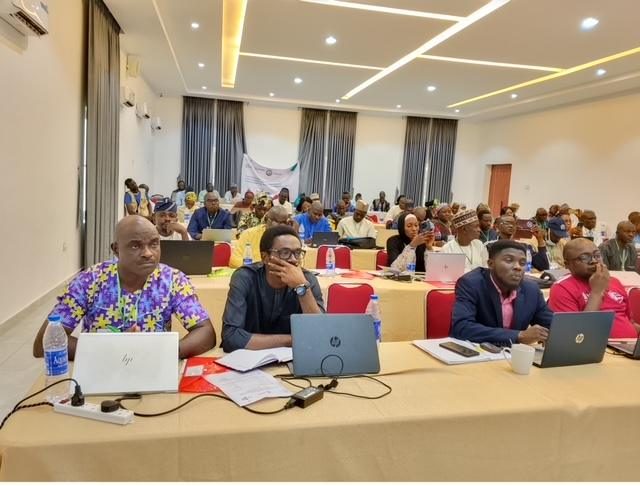
The Nigerian government has commenced the training of heads of 85 health agencies in Nasarawa State as part of its drive to support the development of the 2026 Annual Operational Plan (AOP) under the Nigeria Health Sector Renewal Investment Programme.
Declaring the workshop open in Lafia, the Nasarawa State Commissioner for Health, Dr Gaza Gwamna, said the initiative aims to strengthen human resource capacity to support ongoing performance reviews and strategic planning across all levels of the health sector.
Represented by the Permanent Secretary, Dr John Damina, Dr Gwamna described the programme as timely, offering agency leaders the opportunity to build effective frameworks for improving healthcare outcomes across the state.
“This training is essential to building a more sustainable and cohesive health system. I urge participants to take the sessions seriously for the benefit of our communities,” the Commissioner said.
Aligning with National Priorities
In her presentation titled “Setting the Stage: Why the Workshop and What is it Expected to Achieve?”, the Sector-Wide Approach (SWAp) Desk Officer, Mrs Anna Joshua, said the workshop was designed to ensure Nasarawa’s health planning is aligned with the national investment approach.
She explained that the Federal Ministry of Health is rolling out a comprehensive strategy to build institutional capacity at state level, enabling states to independently develop rational, evidence-based plans that inform both budgets and policy decisions.
Read Also: Health Ministry Trains 150 Programme Managers for Reform
“The 2026 AOP is founded on five guiding principles: one plan, one budget, one report, one conversation, and one voice. This unified approach ensures health service delivery is efficient, targeted, and collaborative,” she stated.
Mrs Joshua further highlighted that this year’s AOP will adopt both top-down and bottom-up planning models, incorporating community feedback and frontline realities to ensure data-driven outcomes.
She urged participants to cascade the training to health workers at the grassroots, thus deepening institutional knowledge and promoting implementation fidelity.
Experts Emphasise Unified Planning
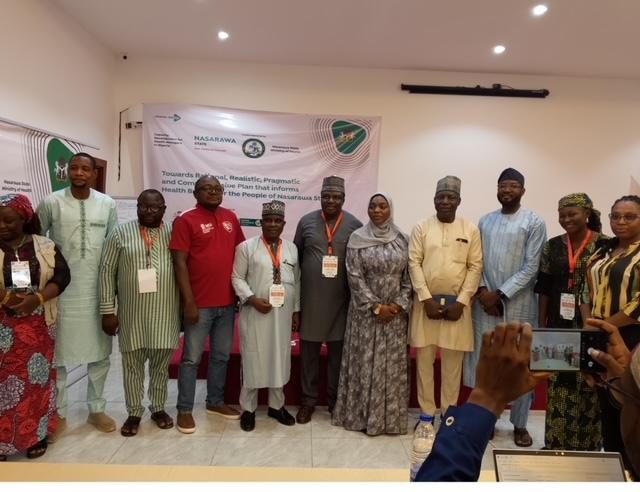
Also speaking, the Director of Health Planning, Research, and Statistics, Dr Danjuma Baba, reiterated the importance of the training in addressing systemic challenges and ensuring coordinated planning across health agencies in the state.
“We need a unified and realistic operational plan that reflects the true needs of our people while maximising available resources. This workshop is a critical step towards that goal,” he said.
Participants Commend Initiative
Speaking on behalf of the participants, Mr Omame Moses, a Monitoring and Evaluation Officer from Keana Local Government Area, expressed appreciation to the SWAp desk and the Federal Ministry of Health for organising the training.
“We are grateful for this opportunity and are committed to stepping down the knowledge to frontline workers in our various LGAs,” he said.