Ahead of the September 22, 2025, public hearing on the Reserved Seats for Women Bill (HB 1349 & SB 440), Southeast campaigners are stepping up efforts to secure institutional and political support for women’s representation in governance.
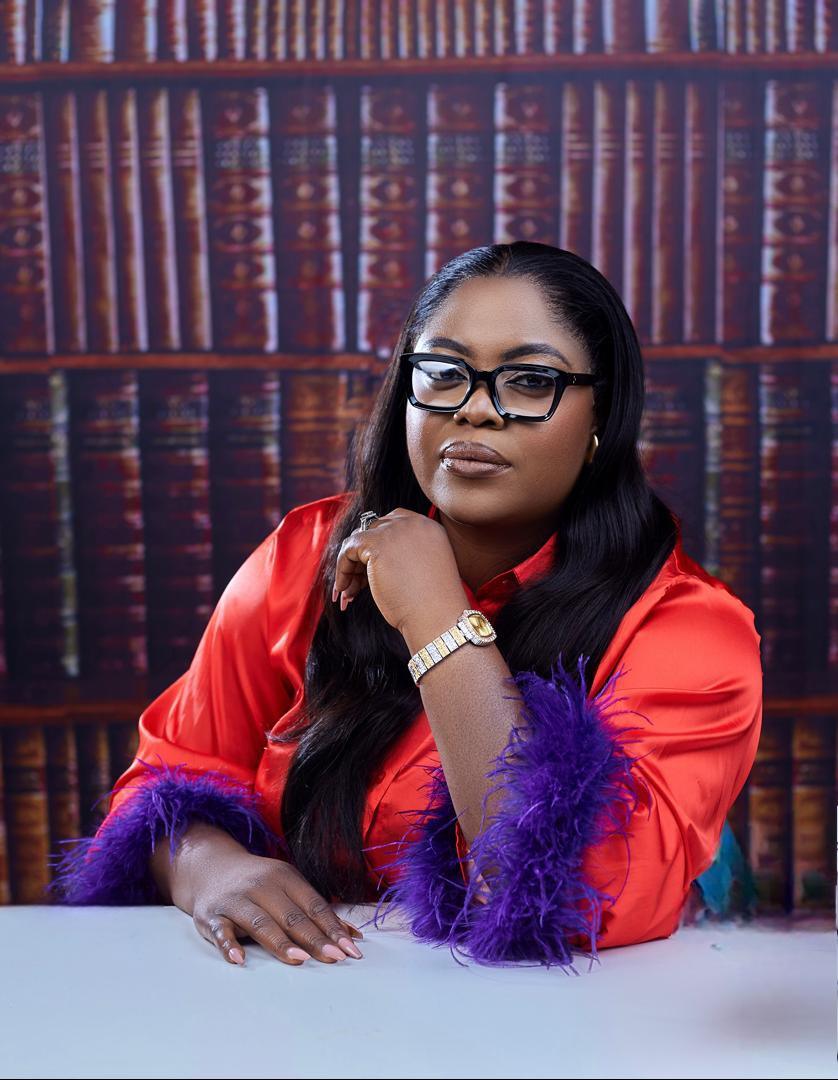
South East Zonal Coordinator for the Reserved Seat Advocacy Campaign Coalition, Adora Onyechere-Sydney Jack, has underscored the urgency of sustained grassroots mobilisation, stressing that the bill is not a women’s issue alone but a national imperative.
In an exclusive interview with Voice of Nigeria, she outlined the strategies, wins, and challenges of the campaign during a recent engagement, stressing the urgency of inclusion.
Grassroots Mobilisation
Onyechere-Sydney Jack noted that advocacy has expanded through radio dialogues, webinars, town-centre conversations, and August meetings in communities in the southeast, with women’s groups lobbying representatives to support the Reserved Seats Bill.
“In the last August meeting we had in Okigwe, we used the platform to advocate to representatives and women’s groups about the Reserved Seats Bill. We were able to take the message to Mbitolu Local Government, where women were gathered for their August meeting, and we pushed the conversation around why representation matters.”
On media advocacy, she added: “One of the things we have done is media advocacy through radio dialogues, webinars, and town-centre conversations to raise awareness about the bill. We also have youth committees and freelance advocates, particularly in the media space, who are helping us to spread the message and bridge the knowledge gap.”
Coordinated Structures Across the Southeast
As the South East zonal coordinator, she shared some of the layered organisational framework driving the campaign in the South East.
“Across the state, we have state coordinators. And then even within the delegate committee, we have delegate chairmen, and then we have a youth committee where we have youth representatives across the universities and tertiary institutions,” she said.
According to her, these structures have created avenues to engage lawmakers and mobilise young people, women’s groups, and opinion leaders at the grassroots.
Early Gains Through Advocacy
Onyechere-Sydney Jack stressed that the coalition’s push has already yielded results in the recent by-elections.
“It was through the Reserved Bill advocacy that we did during the southeastern harvesting that we were able to have at least one female emerge. And this just-concluded state assembly by-election, we now have a female, Mimi Azikiwe. Mimi won with over 7,725 votes. So we now have two members in the Anambra State Assembly as a result of one that we had before. And then we now have one new member in Gombe State, which had none before,” Onyechere-Sydney Jack announced.
The Challenge of Governors’ Buy-In
Despite progress, the Coordinator cautioned that the biggest hurdle lies in state assemblies and the Governors’ influence.
“When this bill is passed, we still need that vote from the State Assembly. And it is the State assembly that is controlled by the governors. So what we need to do is to get the governors’ buy-in on this conversation,” she noted.
She revealed that the coalition has met governors’ wives and is also engaging opinion leaders, political allies, and religious figures to build solidarity.
“We have also met with the Governors’ Wives Forum to push the conversation and to solicit their support for the Reserved Seats Bill, because they are critical influencers within the states. We have taken this advocacy to the children as well, because they are the future voters, and we want them to understand early that women must have a place in governance.“
Political Party Engagement
Onyechere-Sydney Jack also emphasised that political parties are very central to the advocacy because it is the political parties that women will run from, so they are an important component of the conversation.
“We already have IPAC, the Inter-Party Advisory Council, which has state designations. And we have the communiqué signed by IPAC with all the 19 political party chairmen, supporting the Reserved Seats Bill. So, in principle, we are not lacking support. While smaller parties rely on national structures, major platforms such as APC, PDP, and ADC have been engaged at both state and national levels. What we now need is to hold training and domesticating this conversation for party women leaders at the state level in the Southeast,” she affirmed.
Addressing Patriarchy and Awareness Gaps
She acknowledged that there are hurdles to cross relating to traditional norms as the South East remains “very patriarchal, very masculinised, and highly adverse to women’s empowerment in politics.”
To navigate this, she said, campaigners are using culturally sensitive language and building trust through local influencers.
“We are also very careful of the language… using emotional foreplay to get the buy-in first and walk into the room and then start a conversation,” she explained.
She further revealed that advocacy committees have been created at local government levels, deploying young freelance media advocates to spread awareness, close knowledge gaps and ignite positive acculturation for the bill’s acceptance.
The Numbers: Women Underrepresented Despite Huge Population
Onyechere-Sydney Jack described women as Nigeria’s “huge currency” for democratic transformation, lamenting their abysmal representation.
“There are about 20 million people in the Southeast as a whole. But what is even more defining is that there are about 10.6 million women in that number. Out of that 10.6 million women, 60% of them are young women, youths between the ages of 18 and 45. And when you look at the commensurate measure of women in representation, the percentage is 0.002,” she stressed.
She highlighted that Abia and Imo currently have no female parliamentarians, while Enugu and Anambra have two each, and Ebonyi only one.
A Call to Action
“This is an opportunity to humanise development through inclusive participation. This bill is not a woman’s bill. It’s a bill for all of us. It’s a bill for our daughters and it’s a bill for our sisters and our mothers, our aunties, to be able to have a say,” Onyechere-Sydney Jack declared.
She urged leaders to support women’s inclusion, linking it to broader social progress: “I would love to see more girls in school. I would love to see more entrepreneurs among women and young women. I would love to see more women in political leadership, helping to shape the laws that concern them, because that’s the way the future is.”
The Road to September 22
With the public hearing for the Reserved Seats Bill set for September 22, 2025, she warned that national passage will not be enough without state-level ratification.
“My message would be that this is an opportunity to humanise development through inclusive participation… So, we are asking them to please support this bill. Let’s put our hands together, because without them, it will be halfway done. And with them, we are sure that we will go the whole hog,” she concluded.
Reserved Seats Bill Overview
The Reserved Seats Bill, scheduled for public hearing on September 22, 2025, seeks to amend the 1999 Constitution to institutionalise women’s representation by creating 219 additional seats across Nigeria’s legislatures: 37 in the Senate, 74 in the House of Representatives, and 108 across the State Houses of Assembly.
Importantly, these provisions will not restrict women from contesting existing seats but will serve as a structural correction to Nigeria’s chronic gender imbalance.
With a sunset clause for review after four election cycles, the Bill offers a time-bound constitutional pathway to strengthen democracy, expand representation, and ensure women’s voices and leadership are no longer marginal but central to governance in Africa’s largest democracy.