By Gloria Essien, Abuja
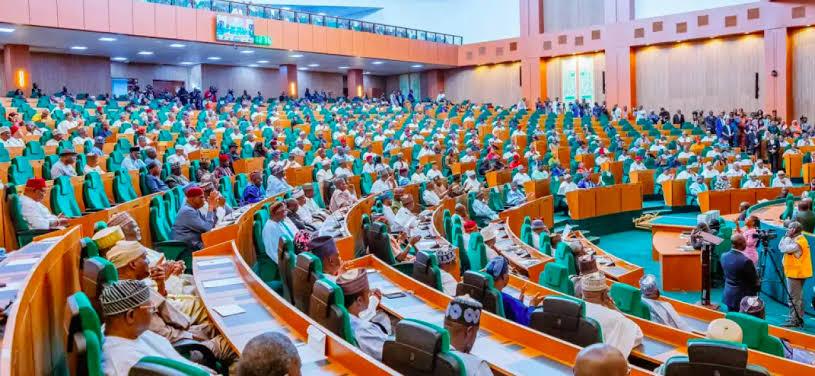
The House of Representatives has passed for the second reading a Bill for an Act to alter the Constitution of the Federal Republic of Nigeria, 1999 (as amended), to clarify the taxation powers of the Federal, State, and Local Governments.
The proposed legislation, titled “Bill for an Act to alter the Constitution of the Federal Republic of Nigeria, 1999 (as amended), to Clarify the Taxation Powers of the Federal, State, and Local Governments; to Define the Scope of Taxes and Levies Collectible by Each Tier of Government; to Prevent Multiple Taxation and Unlawful Outsourcing of Revenue Collection and for Related Matters,” was sponsored by the Deputy Speaker, Mr. Benjamin Kalu, and six other lawmakers.
Leading the debate on its general principles, one of the co-sponsors, Hon. Joshua Audu Gana, said the Bill seeks to clearly define the scope of taxes and levies imposed on Nigerians by each tier of government and, if passed, would prevent multiple taxation and unlawful outsourcing of revenue collection.
Gana argued that the Bill would “bring order where confusion reigns,” to create clarity where overlaps have persisted, “and to ensure that every naira raised, shared, or spent by government is traceable, lawful, and transparent.”
He added that these government agencies unlawfully contract private consultants or agents to collect taxes and levies, giving room for corruption, harassment, and revenue leakages.
“At the heart of this Bill is a simple but transformative goal, which is to align the revenue powers of the Federation, States, and Local Governments” he said “in a way that promotes efficiency, discourages duplication, and restores trust in the fiscal system.
“Honourable Colleagues, the fiscal architecture of our federation has, over time, become congested and conflicting. Multiple taxes and levies are imposed at different tiers of government, often on the same taxpayers.
“Revenue agencies overlap, creating inefficiencies and litigations over collection rights; as seen in the disputes over Value Added Tax (VAT), Stamp Duties, and Personal Income Tax” he said.