The Nigerian Government has reaffirmed its commitment to expanding domestic funding for health.
The Government stressed that sustainable financing was central to protecting essential services as donor support continues to decline.
The renewed call comes at a time when several global partners are adjusting their aid portfolios, creating funding gaps for key programmes such as HIV, malaria, immunisation and primary healthcare strengthening.
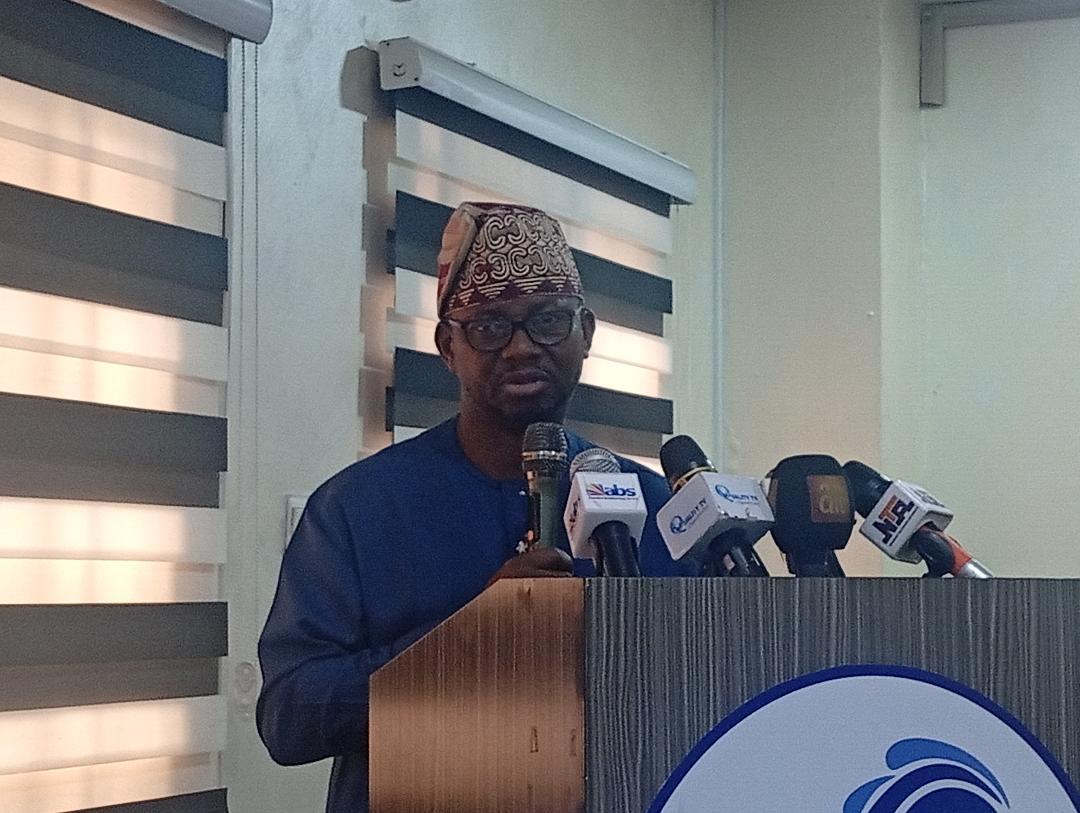
Speaking at the 9th Annual Health Conference of the Association of Nigeria Health Journalists (ANHeJ) in Abuja, the Minister of State for Health and Social Welfare, Dr Iziaq Salako, said Nigeria must now rely more on home-grown financing solutions to safeguard national health security.
He noted that while external partners have contributed billions of dollars over the years, the changing aid landscape makes domestic investment more urgent than ever.
Major Steps Taken
The Minister highlighted major steps already taken by the Government, including the Basic Healthcare Provision Fund (BHCPF), which has disbursed more than ₦260 billion nationwide, and the National Health Insurance Authority (NHIA) Act mandating coverage for all Nigerians.

He also praised state-level innovations in Lagos, Kaduna, Delta and Abia, alongside growing private-sector commitments that are reshaping health financing.
“Nigeria’s strategy goes beyond raising funds to improving efficiency and accountability within the system. Reforms in procurement, supply chains, digital financial management and public-private partnerships will ensure better value for money and strengthen service continuity during donor transitions,” he said.
The Minister emphasised that health journalists remain key players in driving public understanding and accountability in the shift from donor dependence to domestically funded health systems.
Sustainable Health Sector
He reassured participants of Government’s determination to build a resilient, inclusive and sustainably financed health sector capable of meeting the needs of every Nigerian.
The Minister of State for Health and Social Welfare, Dr Iziaq Salako was represented by Dr Babatunde Akinyemi.
The Special Adviser to the President on Health, Dr Salma Ibrahim Anas, warned that Nigeria must urgently strengthen domestic resource mobilisation as foreign grants continue to decline.

She said donor fatigue and the expected reduction of up to 20 per cent in external aid threaten essential services, particularly HIV, TB, malaria and routine immunisation.
Dr Anas noted that although Nigeria’s health spending per capita has risen, “the system remains fragile due to high out-of-pocket expenditure and heavy dependence on external funding”.
Also Read: Nigerian Government Considers New Fiscal Policies For Health Financing
She stressed that without stronger domestic financing, the country’s drive towards Universal Health Coverage (UHC) and the functionality of Primary Health Care facilities could stall.
Government’s Efforts
Highlighting Government efforts, she said President Bola Tinubu’s Renewed Hope Agenda is strengthening the Basic Health Care Provision Fund, expanding mandatory health insurance under the NHIA, advocating for increased Sugar-Sweetened Beverage tax earmarked for health, and boosting local production of medicines to reduce capital flight.
She also commended the National Assembly for supporting the proposed increase of the BHCPF from one per cent to two per cent of the Consolidated Revenue Fund.
Dr Anas emphasised that accountability and efficiency remain central to sustainable health financing.
She called on state governments to increase their budgetary allocations and scale up social health insurance schemes.
She urged journalists to track spending, promote transparency and educate citizens on the importance of domestic financing as Nigeria works to secure a resilient and self-reliant health system.
Earlier, President of ANHeJ, Joseph Kadiri, said this year’s conference theme, “Domestic Resource Mobilisation Amid Dwindling Foreign Grants,” reflects the urgency of Nigeria’s moment.
He noted that declining donor funding has exposed gaps in the country’s health financing structure.
Kadiri emphasised that journalists play a vital role in shaping public perception, influencing policy and ensuring accountability for equitable, people-centred healthcare.
He said the conference would focus on key issues including cancer care, maternal and newborn health, family planning, counterfeit drugs and the media’s role during public health emergencies.
Representing the Institute of Human Virology Nigeria (IHVN), Dr Helen Omu said the theme was timely, stressing that Nigeria must take deliberate steps towards self-sufficiency as donor resources continue to diminish.
She reaffirmed IHVN’s readiness to collaborate with stakeholders in driving sustainable health financing.
The conference brought together policymakers, civil society actors, development partners and over 65 health journalists from across Nigeria to deepen discussions on building a stronger, more resilient health system driven by domestic commitment.