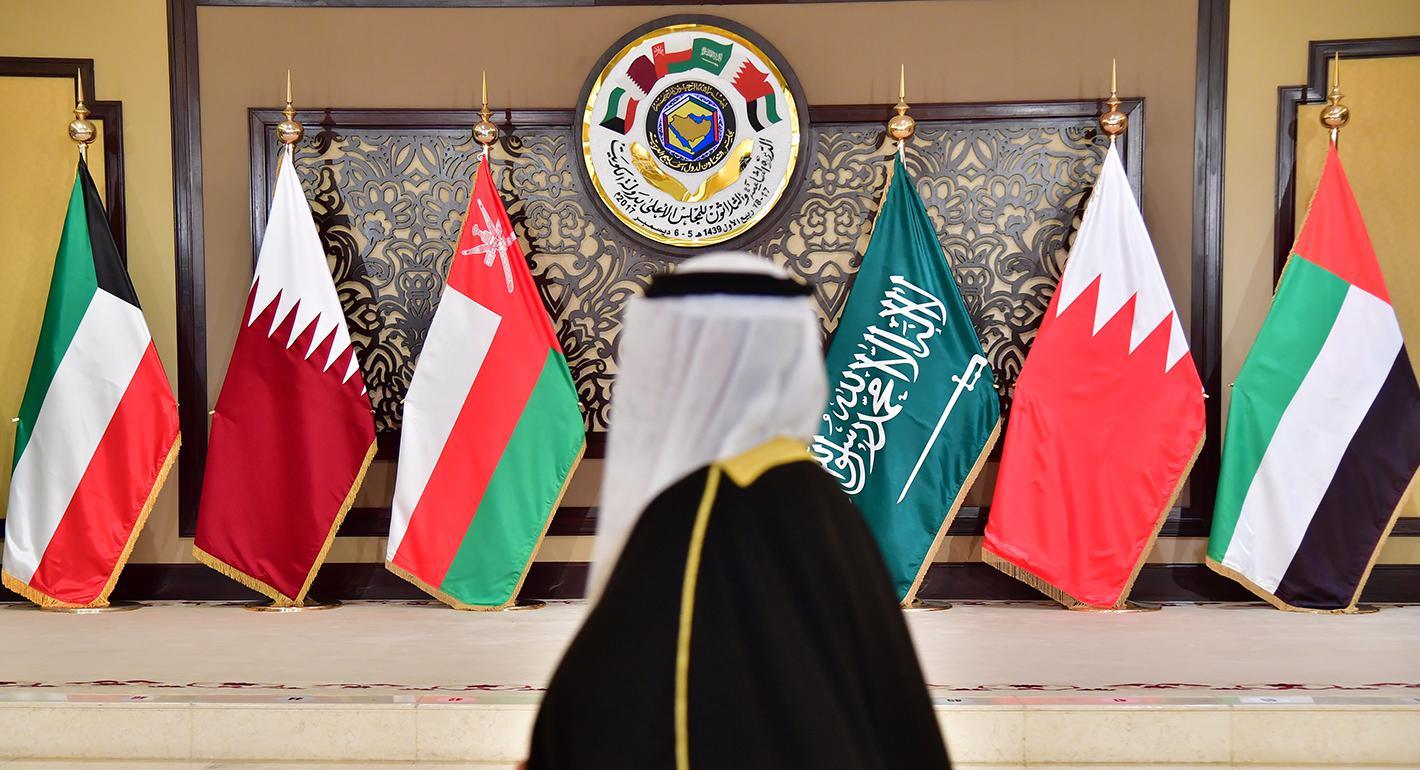
China’s Foreign Minister, Wang Yi has urged the Gulf Cooperation Council to conclude long-running talks on a free trade agreement with China, attributing the urgency to rising protectionism and unilateralism as free trade comes under attack.
Minister Wang Yi is on a three-nation tour in the Middle East that began in the United Arab Emirates and is expected to end in Jordan.
He met GCC Secretary-General Jasem Mohamed Albudaiwi in Riyadh on Sunday and also met top Saudi officials separately.
“The talks have lasted for more than 20 years, and conditions for all aspects are basically mature, it is time to make a final decision,” he said during a meeting with Albudaiwi.
A successful FTA will send a strong signal to the world about defending multilateralism,” Wang said, stressing that China was supportive of the bloc strengthening its strategic autonomy and coordination, and advancing its integration process.
READ ALSO:Nigeria Receives Commendation from China at G20 Summit
China has interests in deepening cooperation in economy, trade, investment and other fields with the GCC as well, Wang revealed.
However, China and Saudi Arabia have agreed to closer communication and coordination on regional and international issues, with Beijing lauding Riyadh’s role in Middle East diplomacy and security, other statements following a meeting between the nations’ foreign ministers showed.
“Wang told his Saudi counterpart that China regarded Saudi Arabia as a priority for Middle East diplomacy and an important partner in global diplomacy,” a Chinese foreign ministry statement on Monday said.
He also encouraged more cooperation in energy and investments, as well as in the fields of new energy and green transformation.
In a separate meeting with Saudi Crown Prince Mohammed bin Salman, Wang underscored China’s readiness to play a part as the most reliable partner in the Middle Eastern country’s revitalisation, as well as inject more stabilising factors to realise peace and security in the region, another foreign ministry statement showed.
The countries have agreed to mutually exempt visas for diplomatic and special passport holders from both sides, according to the joint statement.
Reuters/Wumi