

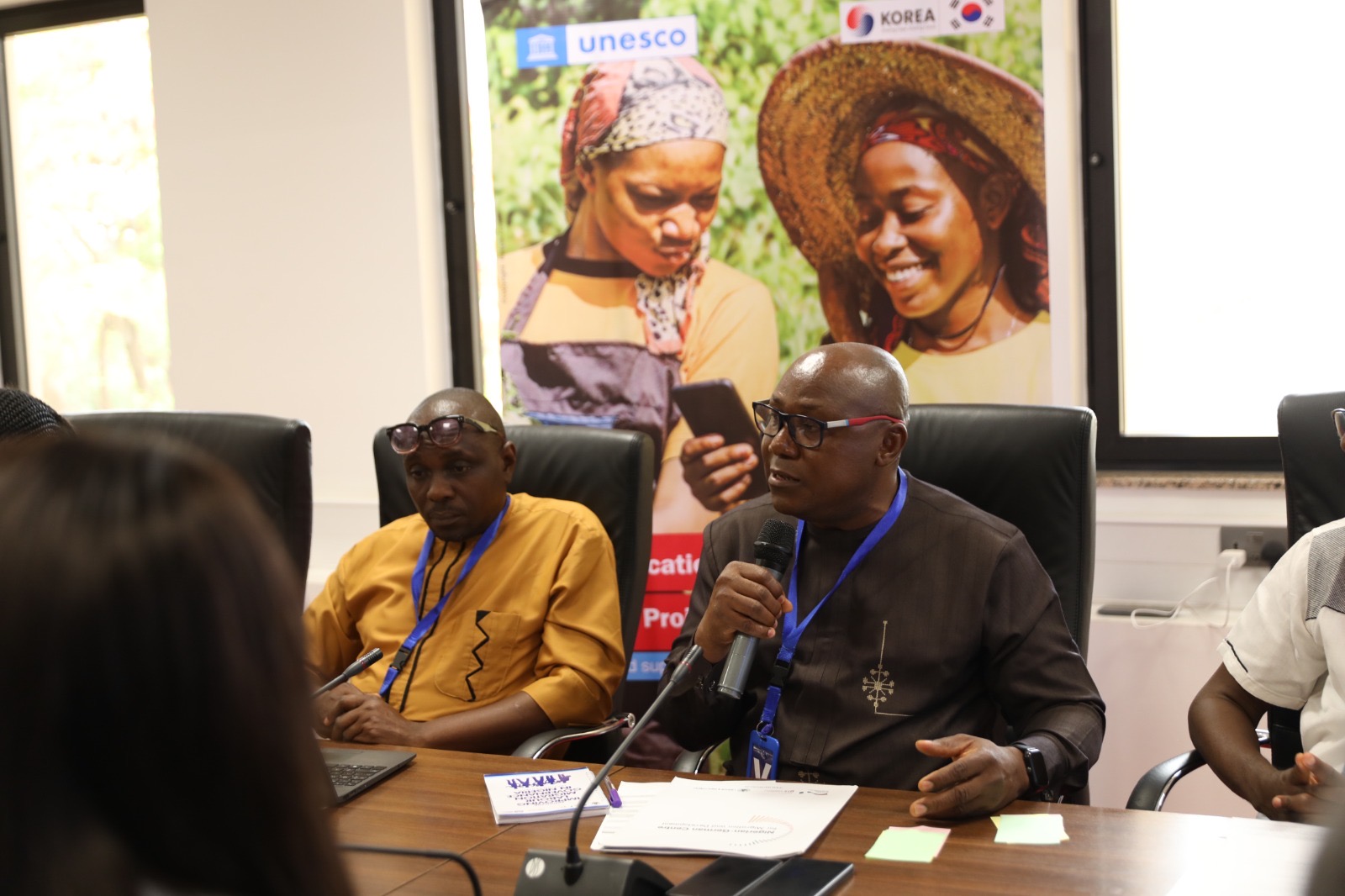
UNESCO and Nigeria’s Ministry of Education have advocated for a National Career Guidance and Counselling (CGC) Policy Framework to reform the education-to-employment pathway aimed at linking education with employment opportunities in Nigeria.
This was disclosed in Abuja, Nigeria’s capital, at a policy dialogue and consultative workshop, organised by UNESCO in collaboration with the Federal Ministry of Education and the Ministry of Labour and Employment, and supported by the Better Education for Africa’s Rise (BEAR III) and Deutsche Gesellschaft für Internationale Zusammenarbeit (GIZ).
The initiative is widely seen as a major reform effort aimed at improving school-to-work transitions, reducing youth unemployment, and strengthening Nigeria’s long-term human capital development strategy.
In his welcome remarks, the Head of Education Sector at UNESCO Abuja, Mr. Oladeji Adeyemi, described career guidance as critical to bridging the gap between education and livelihoods.
“Career Guidance and Counselling is not an add-on to education and employment systems, it is the bridge that connects learning to livelihoods. Without a strong system, even the most robust education and training systems cannot fully deliver on their promise,” he said.
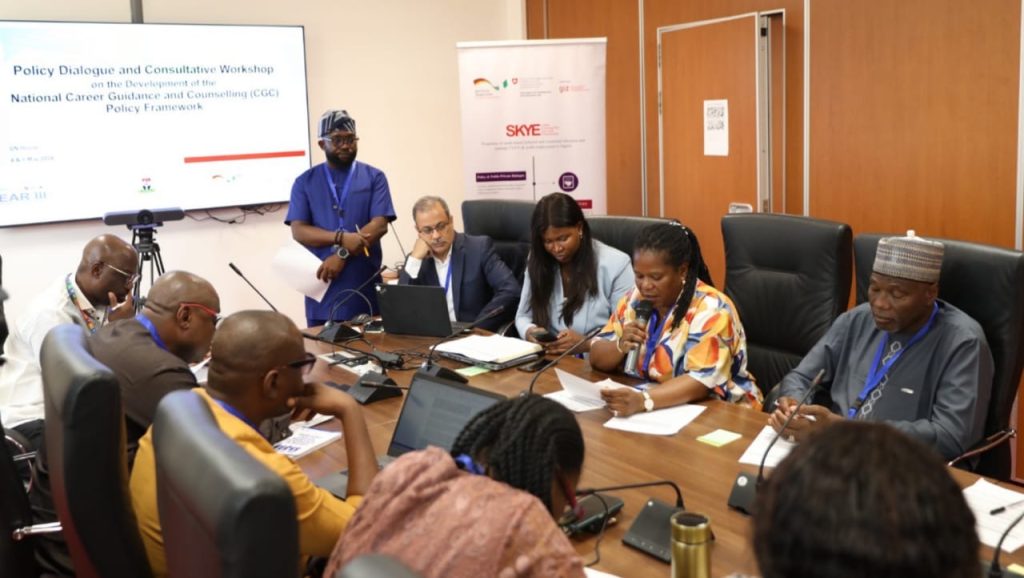
According to Adeyemi, the success of the policy depends on collaboration across sectors. He stressed that policies can only make a difference when they are actively implemented. He therefore urged participants to contribute to shaping a framework that would drive real change.
“No single institution can effectively deliver it in isolation. What is required is a fully integrated ecosystem that brings together actors across education, labour, and youth development,” he said.
Also speaking, the Permanent Secretary, Federal Ministry of Education, Abel Enitan, said the initiative marks a major step in Nigeria’s education reform.
“Today’s gathering is a significant achievement in our journey toward educational reform. The partnership with UNESCO and GIZ has strengthened efforts to improve technical and vocational education,” he said.
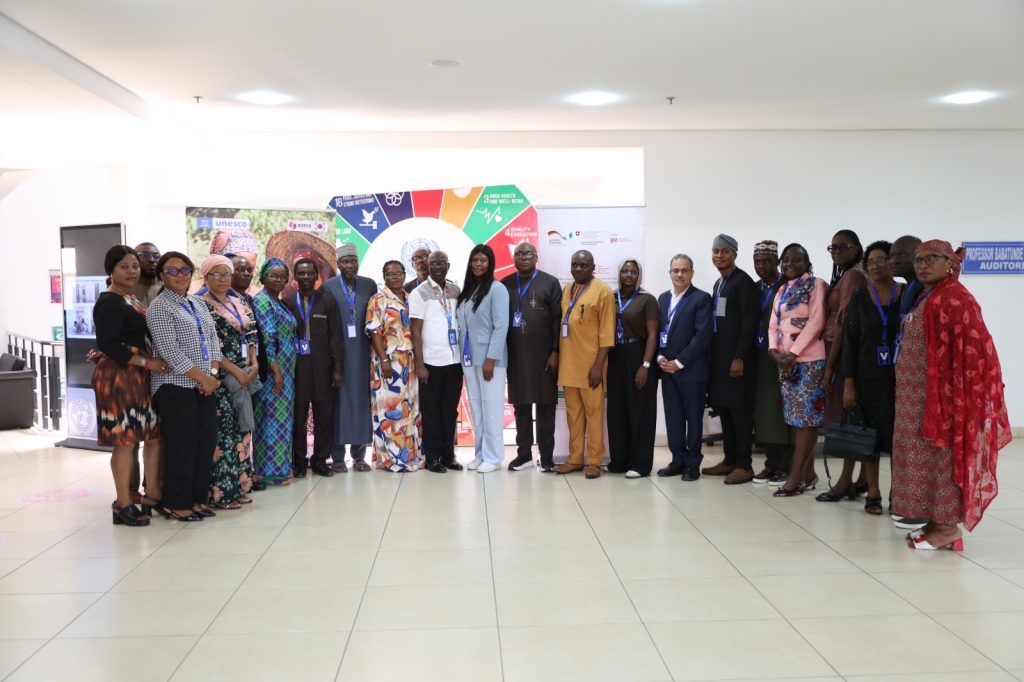
Enitan observed that counselling has long been undervalued in Nigerian schools, noting that the proposed policy will align education with labour market realities by providing clear, data-driven career pathways.
He identified sectors such as agriculture, construction and digital skills as key drivers of growth, adding that institutionalising the policy would integrate market intelligence into schools, promote TVET as a viable career path, and ensure sustainable employment outcomes.
Stakeholders at the workshop are expected to review existing findings, share international best practices, and agree on a unified implementation framework for the national CGC policy.

