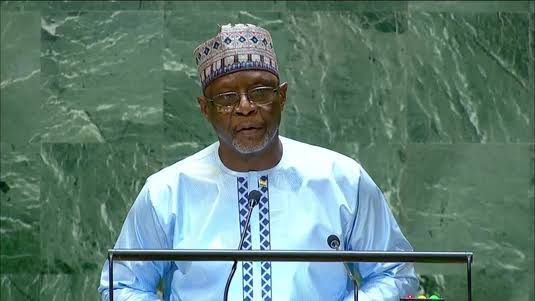
Nigerien Foreign Affairs Minister Bakary Yaou Sangaré has delivered a robust defense of the nation’s diplomatic pivot, characterizing the shift as a vital reclamation of national sovereignty.
Speaking on the national broadcaster RTN, Sangaré argued that the post-July 2023 era represents a definitive break from a history of “dependence” on Western powers, particularly France.
He alleged that previous administrations operated under significant French influence, claiming that Niger had historically even voted against its own interests at the United Nations to satisfy Paris.
To solidify this new direction, the National Council for the Safeguard of the Homeland (CNSP) has replaced over half of its ambassadors and welcomed dozens of new foreign envoys, signaling a massive administrative overhaul of its diplomatic corps.
The minister identified Russia, Türkiye, and fellow members of the Alliance of Sahel States (AES) as “comprehensive strategic partners,” while also highlighting deepened ties with China and North African neighbors like Algeria and Morocco.
Strengthening Diplomatic Cooperation
In a strategic effort to bypass operational hurdles in France, Niger plans to open a new embassy in Spain and establish consulates in Libya to better serve its diaspora.
Furthermore, the government is looking toward new horizons in Belarus, Serbia, and the Gulf states to diversify its mining and oil expertise.
Domestically, this nationalist push extends to institutional leadership, with Sangaré announcing that a Nigerien rector will lead the Islamic University of Niamey for the first time since its inception.
Central to this new foreign policy is the principle of strict reciprocity in diplomatic protocol. Sangaré asserted that foreign ambassadors in Niamey will only be granted ministerial access if Nigerien diplomats receive the same treatment in host countries, describing the stance as a matter of mutual respect rather than exaggeration.
While addressing concerns over visa restrictions for partners like Russia and China, he cited security and infiltration risks as the primary drivers of caution.
Responding to critics who labeled the current diplomatic style as overly secretive, Sangaré dismissed the need for social media transparency, maintaining that state affairs require a level of discretion tailored to Niger’s specific operational needs.
AP