Nigeria is emerging as a model for economic transformation in Africa following the far-reaching reforms implemented by the administration of President Bola Tinubu, with increasing investor confidence and expanding opportunities across key sectors of the economy.
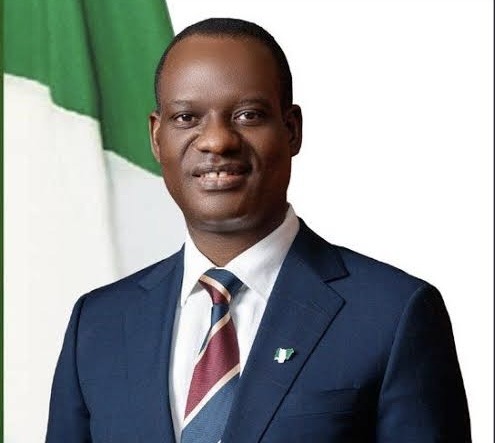
The Minister of Finance and Coordinating Minister of the Economy, Mr Taiwo Oyedele, stated this while speaking with journalists on the sidelines of the Africa CEO Forum in Kigali, Rwanda, attended by President Tinubu.
Oyedele said although the reforms undertaken by the administration were difficult, they were necessary measures aimed at laying the foundation for long-term economic stability, sustainable growth, and national competitiveness.
According to him, Africa’s development conversation has moved beyond rhetoric to practical implementation, with increasing focus on scale, speed, institutional credibility, and sustainable economic transformation.
READ ALSO: Minister Inaugurates Committees to Drive Creative Economy Growth
The minister noted that Nigeria, as Africa’s largest economy by population and market opportunities, has demonstrated that bold reforms are achievable and capable of delivering measurable gains when pursued with political will and strategic commitment.
“From the AFRICA CEO meeting, Nigeria has done a lot of very transformative reforms, which for Africa is not just about Africa saying we should do this, we should do that. We now have the example in Nigeria, still the largest economy by scale, by opportunities, and by population, seeing that we have done it.
“It wasn’t meant to be easy, but it was necessary, and now we are on that track towards winning and getting all the gains of those reforms. So Africa is at a point where we are today, particularly for the forum. The conversation is around scale and is also around speed as well as credible institutions.
“How can we ensure that Africans come together so that the world can pay attention to us? There are issues to deal with: how do you raise finance for development, not just focusing on extraction but on value addition?
“How do you ensure that you can stimulate growth in labour-intensive sectors – agriculture, manufacturing, industry, services, and technology – so that we can lift our people out of poverty? I think the leaders in the room recognised that the time for rhetoric is over and it is now time for execution,” The Minister said.
He described President Tinubu as the country’s “chief marketer”, noting that the President has continued to lead high-level engagements aimed at attracting investment into critical sectors including power, mining, port development, and private enterprise.
Oyedele said discussions at the forum centred on mobilising investments, expanding industrial capacity, and supporting private sector growth as part of broader efforts to reposition Nigeria and Africa for inclusive prosperity.
“You know one very exciting thing about Mr President is that he is never tired of marketing Nigeria. He is the chief marketer for the country, and so we had several discussions mostly focusing on economic opportunities.
“How can we mobilise more investment, particularly in the area of power? And we also had discussions, interesting ones, around mining as well as opportunities to even support private sectors more businesses,” he added.
He further stated that Nigeria is now telling a more credible economic story backed by concrete reforms and demonstrable leadership, stressing that President Tinubu’s track record and reform agenda have strengthened investor confidence in the country.
The minister also highlighted President Tinubu’s bilateral engagement with the President of Guinea, describing it as a productive discussion focused on regional cooperation, development partnerships, and economic integration.
According to him, President Tinubu commended Guinea’s continued commitment to the Economic Community of West African States (ECOWAS), despite pressures to withdraw from the regional bloc, describing the move as a demonstration of belief in regional unity and collective progress.
Oyedele noted that both leaders explored opportunities for collaboration in areas such as iron ore development and broader economic partnerships, stressing that African countries stand to achieve more through cooperation and shared development initiatives.
He emphasised the need for African nations to work together in addressing development financing challenges, industrialisation, value addition, poverty reduction, and growth in labour-intensive sectors, including agriculture, manufacturing, technology, and services.