
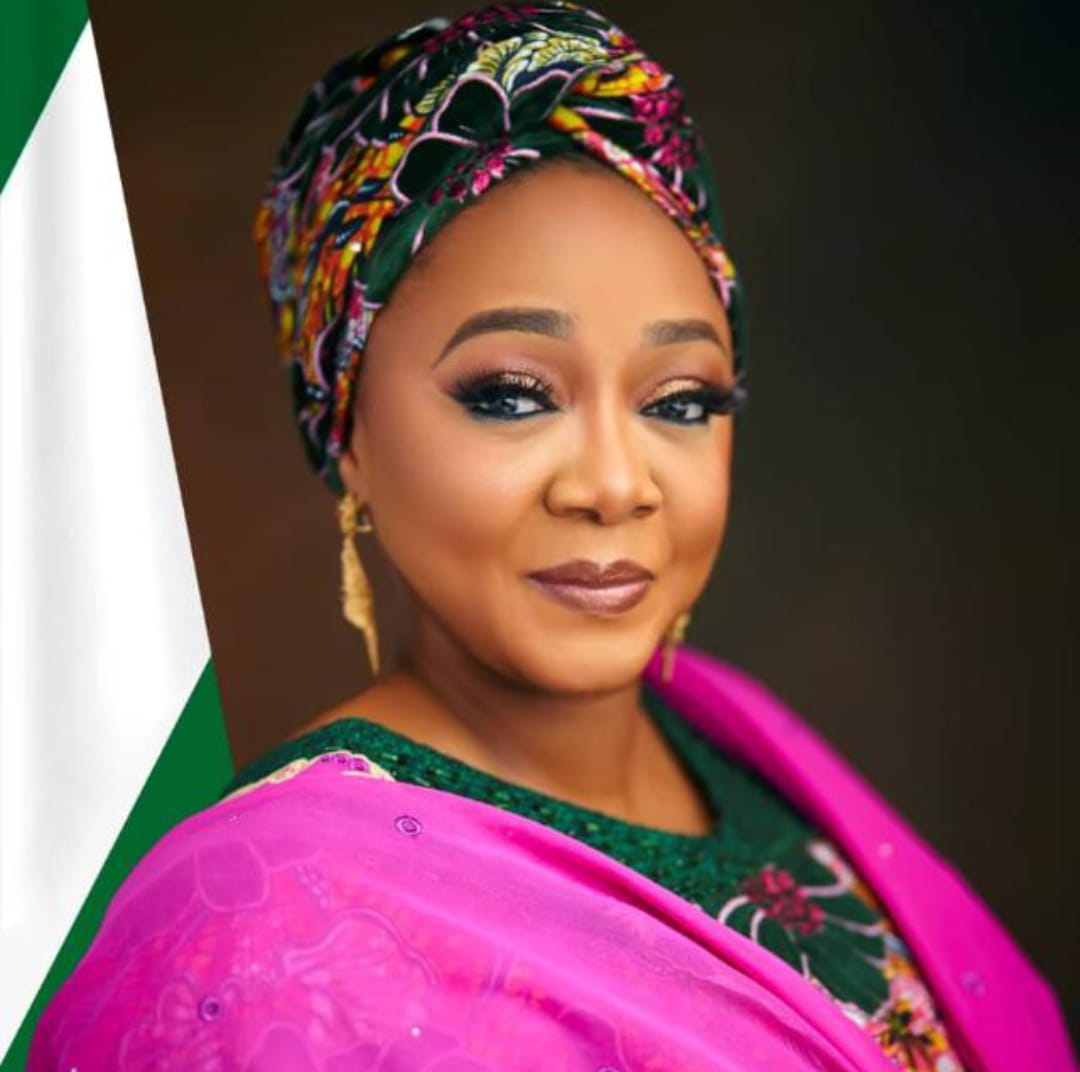
The Minister of Women Affairs and Social Development, Imaan Sulaiman-Ibrahim has described the eradication of conflict-related sexual violence as a national security priority.
She reaffirmed the Nigerian Government’s commitment to protecting survivors, preventing abuse, and ensuring that perpetrators are held accountable across the country.
Speaking on the 2026 International Day for the Elimination of Sexual Violence in Conflict, the Minister said “the observance underscores Nigeria’s determination to confront one of the most devastating consequences of conflict and insecurity.”
According to the Minister, conflict-related sexual violence remains “a grave violation of human rights and international humanitarian law” and “a direct assault on national security, social cohesion, human capital development and sustainable peace.”
She said the Renewed Hope Agenda of President Bola Ahmed Tinubu has continued to place the protection of women, children, families and vulnerable populations at the centre of national development efforts.
The Minister noted that through the Renewed Hope Social Impact Intervention (RHSII-774), being implemented across Nigeria’s 774 Local Government Areas, the Federal Ministry of Women Affairs and Social Development is strengthening child protection systems, expanding social protection, promoting women’s economic empowerment, reinforcing family cohesion and enhancing community resilience.
Describing conflict-related sexual violence as one of the most horrific manifestations of war, terrorism, violent extremism and insecurity, she stated that “women and girls continue to bear the greatest burden, although men and boys are also affected.”
She warned that such crimes “destroy families, interrupt education, deepen poverty, fuel displacement, weaken public confidence, undermine development and threaten national stability,” stressing that they are “crimes against humanity that demand collective action and uncompromising accountability.”
The Minister highlighted ongoing efforts to strengthen Nigeria’s legal and policy framework through the Child Rights Act, the Violence Against Persons (Prohibition) Act, the National Gender Policy (2021–2026) and the Third National Action Plan on Women, Peace and Security (2024–2028).
Expressing concern over emerging threats facing women and children, she cited “the abduction of school children, trafficking, forced marriage, sexual slavery, recruitment of children by armed groups, exploitation of displaced women and girls, and the weaponisation of children for terrorism and criminality.”
“We condemn these atrocities in the strongest possible terms and reaffirm our unwavering confidence in the Armed Forces of Nigeria, intelligence agencies and all security institutions to relentlessly pursue, apprehend and ensure that every perpetrator, collaborator and sponsor of these crimes is brought to justice,” she said.
The Minister stressed that prevention must remain at the heart of Nigeria’s response, noting that “every act of violence prevented represents a life protected, a family preserved, and a community strengthened.”
The Minister said Nigeria has strengthened its legal and policy framework through the Child Rights Act, the Violence Against Persons (Prohibition) Act, the National Gender Policy and the Third National Action Plan on Women, Peace and Security.
She further emphasised that ending conflict-related sexual violence requires “a coordinated whole-of-government and whole-of-society approach.”
“The elimination of conflict related sexual violence is not merely a humanitarian obligation; it is a national security imperative and a moral responsibility,” she said.
She urged all Nigerians to stand with survivors, reject violence and work together to build a nation where every woman, child and vulnerable person can live in peace, safety and dignity.

