

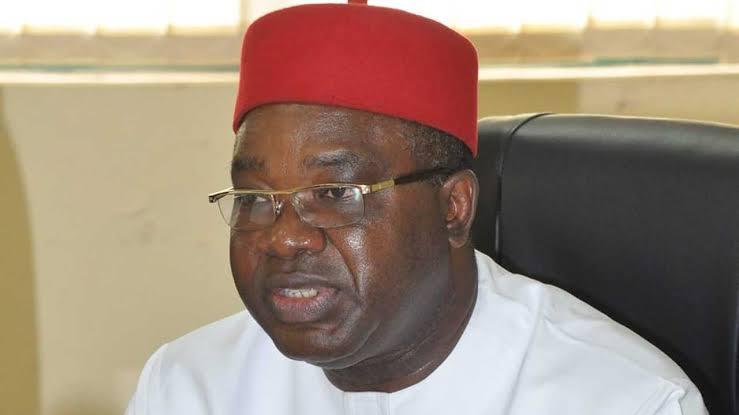
The National Human Rights Commission (NHRC) has urged the Nigerian Government and other stakeholders to adopt a human rights-based strategy in addressing Nigeria’s growing drug abuse crisis.
The Commission emphasised treatment, rehabilitation and the protection of human dignity alongside efforts to curb illicit drug trafficking.
Executive Secretary of the Commission, Dr. Tony Ojukwu, made the call in a statement issued to commemorate the 2026 International Day Against Drug Abuse and Illicit Trafficking.
He described substance abuse, particularly among young people, as a major public health and social challenge requiring urgent, coordinated action.
Ojukwu said responses to drug abuse should be guided by Nigeria’s Constitution, national health laws and international human rights obligations, rather than relying solely on punitive measures.
READ ALSO: Foundation Leads Youth Campaign Against Drug Abuse
“Persons struggling with drug dependence should not be stigmatized, discriminated against, or subjected to inhuman or degrading treatment,“ he said.
The Executive stressed that individuals living with drug dependence should have access to quality healthcare, rehabilitation, psychosocial support and opportunities to reintegrate into society.
According to him, addiction should be treated primarily as a public health issue.
The NHRC boss warned that substance abuse contributes to domestic violence, crime, exploitation, human trafficking and insecurity, all of which undermine the enjoyment of fundamental human rights.
He noted that the Commission has continued to promote harm reduction and evidence-based drug policies through legislative engagements and public awareness initiatives designed to encourage informed national dialogue.
Human Rights Safeguards
Ojukwu also urged the National Assembly to include human rights safeguards in the proposed national policy on drug-use quantification thresholds.
According to him, the law should clearly distinguish between individuals using controlled substances for legitimate medical purposes and those involved in illegal drug trafficking, while protecting people seeking treatment from unnecessary criminal prosecution.
He further appealed to government agencies, civil society organisations, educational institutions, religious bodies, families and community leaders to intensify awareness campaigns aimed at preventing drug abuse, especially among children and young people.
While calling on security agencies to strengthen efforts against illicit drug trafficking, he emphasised that enforcement operations must comply with both national and international human rights standards.
Ojukwu maintained that lasting solutions to the drug crisis must address underlying factors such as poverty, unemployment, social exclusion and limited access to education and mental health services.
He urged Nigerians to work together in building a society free from drug abuse, where the rights, dignity and well-being of every citizen are respected and protected.


 has urged the Federal Government and other stakeholders to adopt a human rights-based strategy in addressing Nigeria's growing drug abuse crisis, emphasizing treatment, rehabilitation and the protection of human dignity alongside efforts to curb illicit drug trafficking.)