
The Minister of Women Affairs and Social Development, Imaan Sulaiman-Ibrahim, has pledged to strengthen partnerships with traditional and religious institutions and sustain community-led efforts to prevent gender-based violence (GBV).
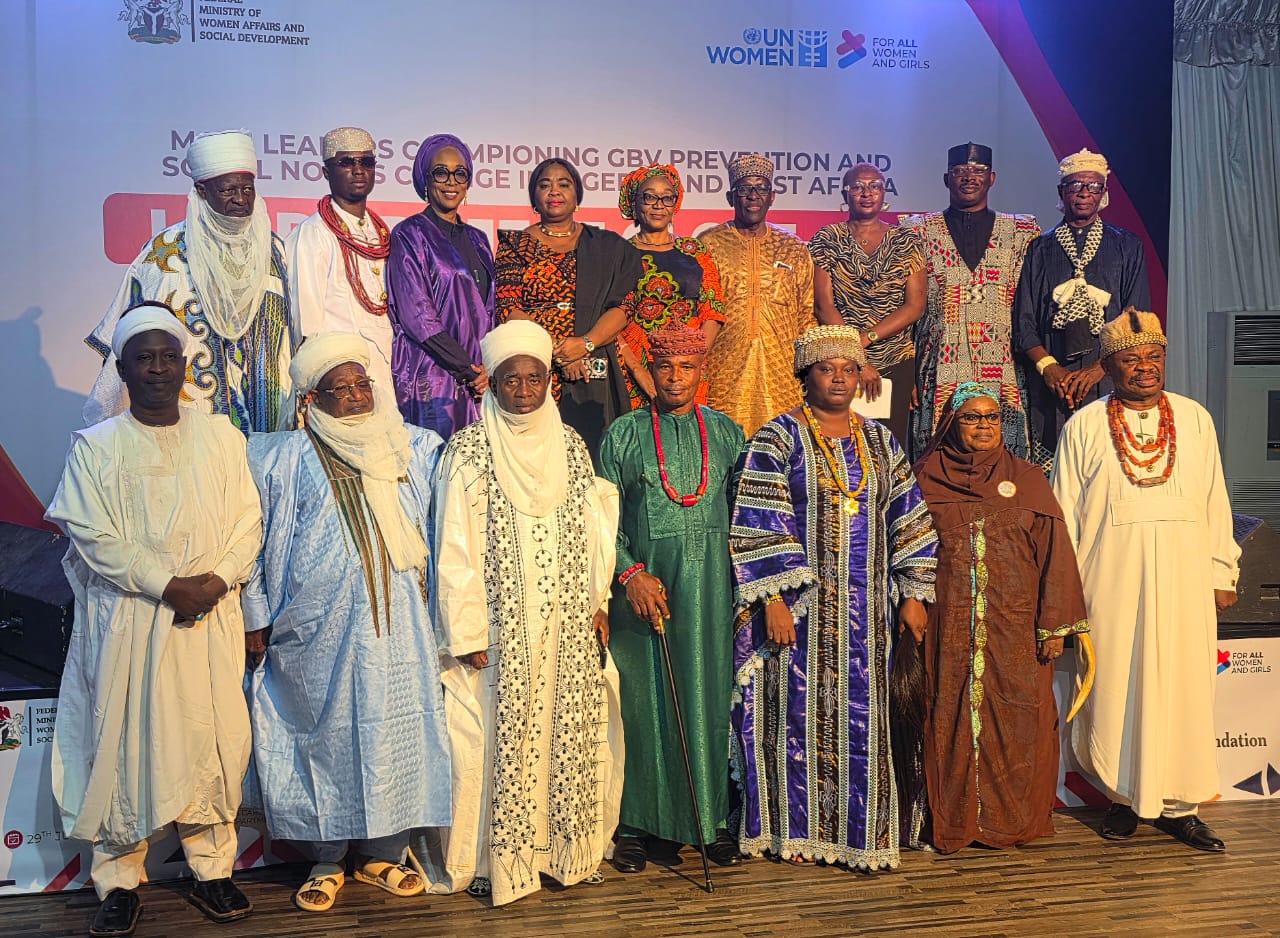
The commitment was made at the LEAP Project Close-out High-level Convening in Abuja, following the successful completion of the three-year Traditional, Religious and Cultural Leaders for Ending Gender-Based Violence by Advancing Policy and Social Norms Change in Nigeria and West Africa (LEAP) Project.
The event brought together government officials, traditional rulers, development partners and civil society organisations to review the initiative’s impact on advancing advocacy, policy and social norms change across Nigeria and West Africa.
In her ministerial remarks, Sulaiman-Ibrahim said “the Tinubu administration would preserve the project’s gains through sustained collaboration with public, private and international partners.”
She said; “To consolidate and guarantee the sustainability of our gains beyond the close-out of this project, this administration commits to establishing strategic partnerships across the public and private sectors, as well as with our international partners, to ensure that the frameworks we have developed are backed by consistent resources and technical support.”
The Minister, who was represented by the Director of Women Development, Mrs Blessing Anunike, described traditional and religious leaders as indispensable partners in preventing violence against women and girls.
Sulaiman-Ibrahim urged them to champion positive masculinity and inclusive community leadership.
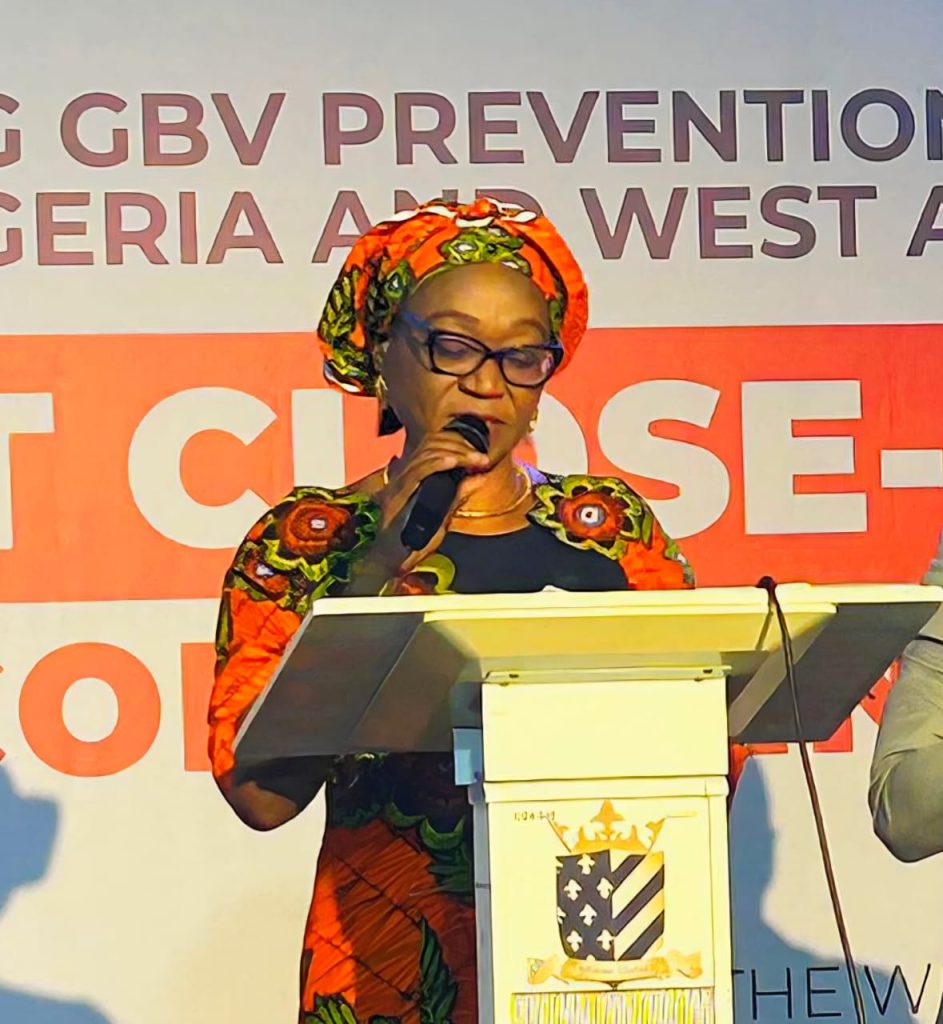
The Minister said; “My fundamental appeal to you is that you lead this change from the front by actively including women in your traditional councils and decision-making processes, as communities where women’s voices are genuinely heard and valued are inherently more stable, peaceful and resilient.”
Sulaiman-Ibrahim said the theme reflected the achievements of the LEAP Project and the importance of sustaining community-led prevention efforts through traditional and religious institutions.
“With the theme, ‘Male Leaders Championing GBV Prevention and Social Norms Change’, our objective is to reflect on the achievements of this transformative initiative, recognise our outstanding champions and strengthen sustainable pathways for community-led prevention, ” she stated.
Delivering remarks on behalf of the UN Women Representative to Nigeria and ECOWAS, Ms Beatrice Eyong, the Acting Deputy Representative, Ms Patience Ekeoba, said the LEAP Project demonstrated that preventing violence begins with transforming harmful social norms.
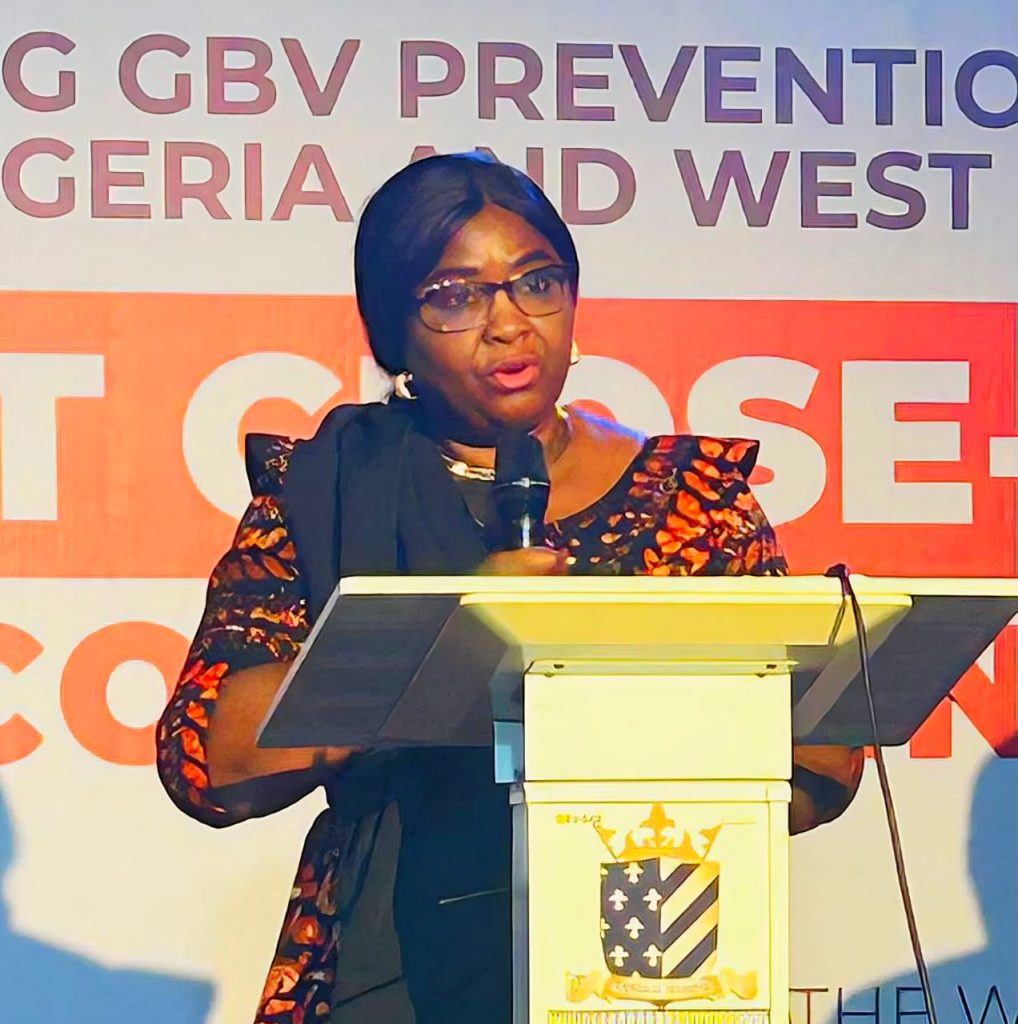
Eyong said; “The LEAP Project was built on a simple but transformative idea. If harmful social norms sustain violence against women and girls, then transforming those norms is one of the most effective pathways to preventing violence.”
She described the completion of the project as the beginning of a broader movement rather than its conclusion.
Eyong said; “Today is much more than the close-out of a project. It is a celebration of a valuable investment. It is a celebration of partnerships built on trust. It is a celebration of communities that chose courage over silence. Most importantly, it is a celebration of the collective belief that violence against women and girls is preventable.”
Announcing the next phase of engagement, she said “on the achievements, partnerships and lessons of the LEAP Project, UN Women has secured renewed support from the Ford Foundation to implement a new regional initiative titled ‘Community-Led Advocacy and Digital Spaces for the Safety of Women and Girls in West Africa’.”
The Convener-General of the Council of Traditional Leaders of Africa, His Royal Highness Dr Haliru Yahaya, said the project had reinforced the responsibility of traditional institutions to safeguard women and girls.
Yahaya said; “This project has shown that traditional leaders are not only custodians of culture. We are also custodians of community values, peace, justice, protection and dignity.”
He called on traditional rulers across Nigeria and West Africa to sustain advocacy against harmful practices beyond the project’s lifespan.
“Let us use our palaces, councils, community meetings and cultural platforms to promote peace, dignity and protection for women and girls,” he said.
Implemented by UN Women with support from the Ford Foundation between 2023 and 2026, the LEAP Project engaged traditional and religious leaders in advancing gender-responsive policies, challenging harmful social norms and strengthening community accountability mechanisms to prevent violence against women and girls across Nigeria and the West African region.

.)