



The Huba Chiefdom in Hong Local Government Area of Adamawa State in Northeast Nigeria is already charting a bold path in restoring cultural identity, strengthening local security, and driving grassroots economic growth.
This is barely a year after its formal establishment following the assent to legislation in December 2024. The chiefdom officially began operations on February 14, 2025, marking the realisation of a long-standing aspiration of the Huba people for recognition and self-determination.
For residents of the area, the creation of the chiefdom by the state Governor, Ahmadu Umaru Fintiri represents more than administrative restructuring, it signals a renewed sense of identity, unity, and collective purpose.
Reflecting on the first anniversary, the paramount ruler, the Tol Huba, His Royal Highness Alheri Bulus Nyako, described the past year as both “historic and transformative,” noting that “the chiefdom is not merely celebrating its existence but actively shaping its future.”
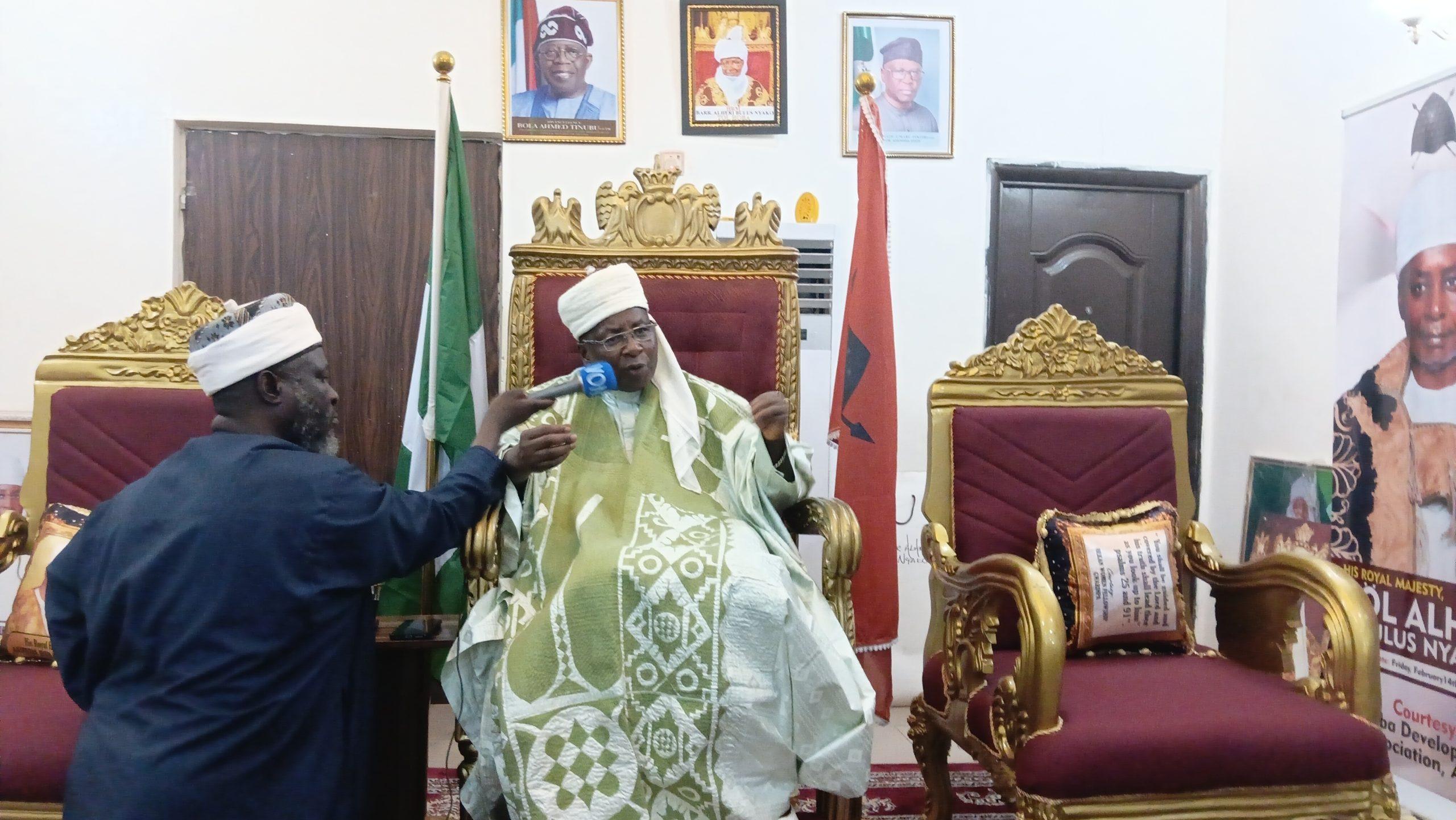
According to the Monarch, a three-point agenda anchored on unity, security, and development has guided the chiefdom’s early strides.
Strengthening Unity
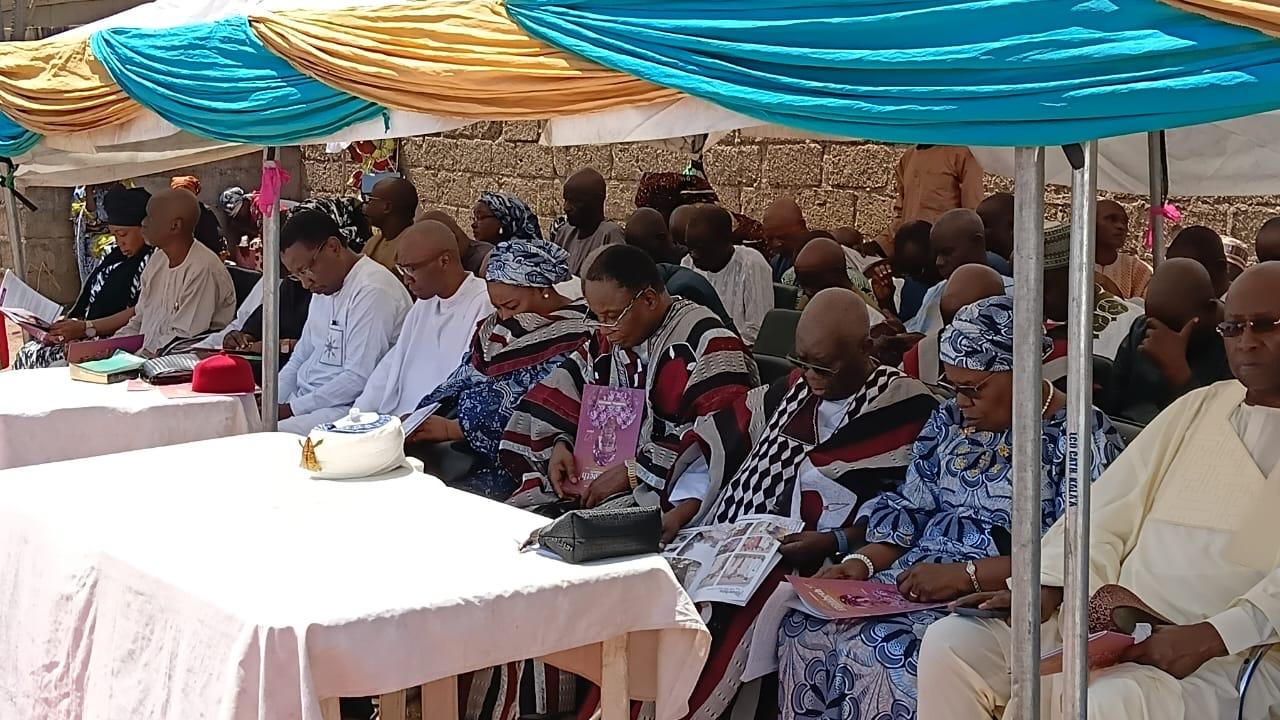
A major highlight of the past year has been improved social cohesion across communities. In a region once marked by religious divides, the Monarch said “collaboration and mutual understanding are gradually replacing tension.”
“In the Huba Chiefdom today, people of different faiths work together in harmony. That unity has become the bedrock upon which we are building progress,” Nyako said.
Security Challenges
Located near insurgency-prone areas bordering Borno State, the chiefdom has prioritised security through both government collaboration and community-based initiatives.
The Monarch cited the strengthening of military formations and the introduction of the Forest Guards Scheme as critical steps in addressing threats linked to insurgency.
At the local level, the chiefdom has introduced measures such as mandatory visitor registers across its 14 districts to monitor movement and enhance community vigilance.
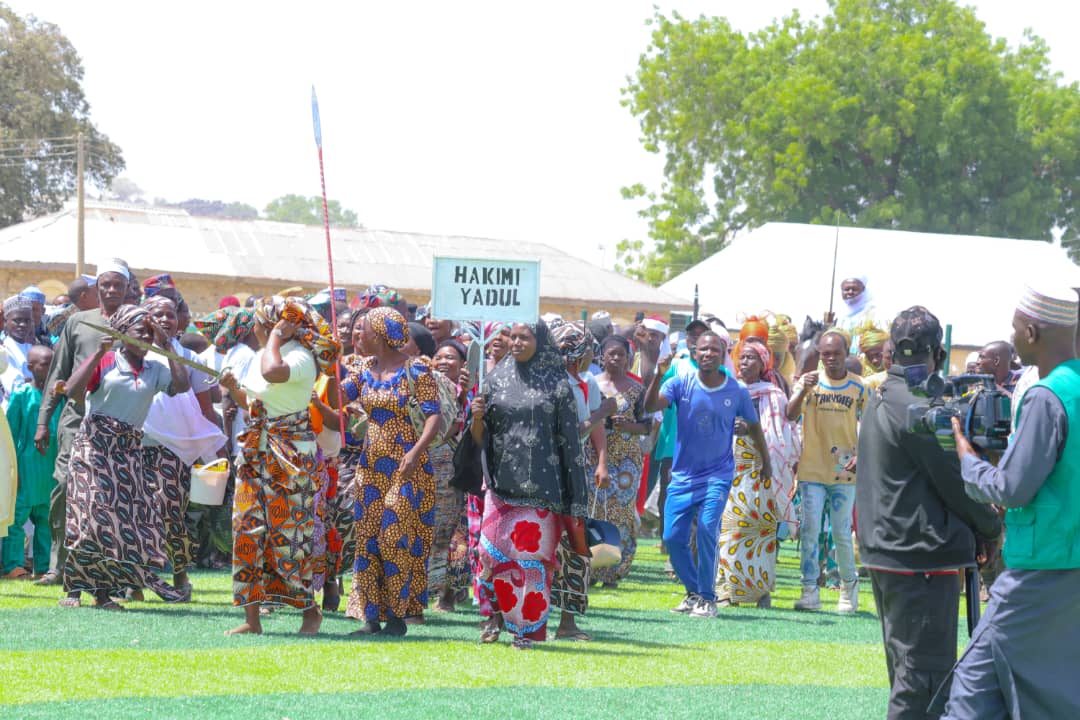
“Part of maintaining security is knowing who is within your community,” the Tol Huba explained, stressing that “the system ensures proper identification and accountability of residents and visitors.”
Plans are also underway to formalise documentation for non-indigenes in collaboration with immigration authorities, further tightening local security structures.
Driving Economic Growth
Beyond security, the chiefdom is making bold moves in economic development. A key milestone is the establishment of the Hong Chamber of Commerce, Industry, Mines and Agriculture, registered with the Corporate Affairs Commission.
The initiative positions Hong among the few local government areas in the country with such a structure, aimed at supporting entrepreneurs with funding, mentorship, and technical expertise.
The Monarch disclosed that “the chamber has already attracted significant financial commitments from stakeholders, exceeding its initial ₦500 million target.”
“Our goal is to create opportunities for sustainable income and empower local businesses to thrive,” he said.
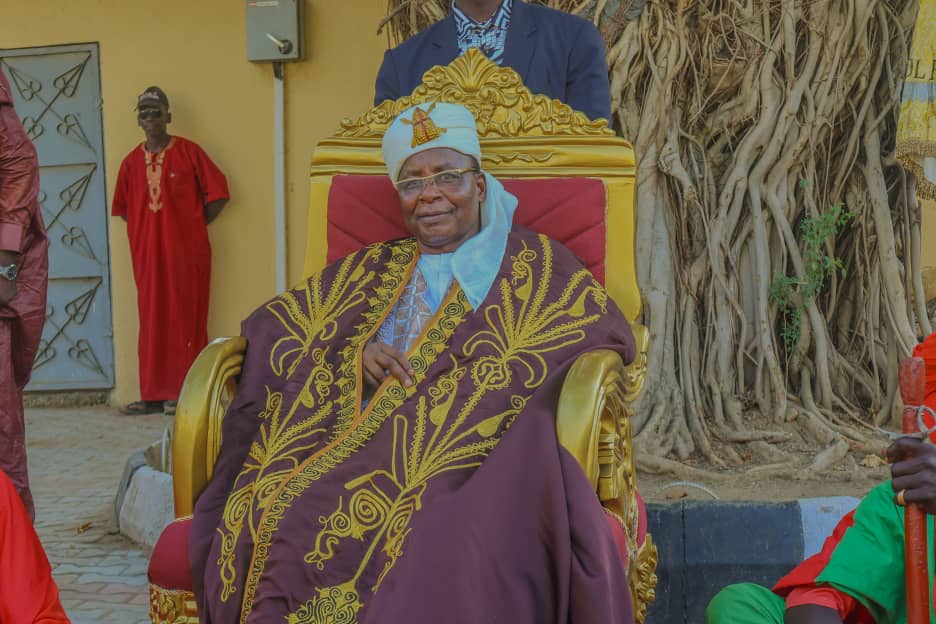
This ambition aligns with a broader vision to transform Hong into a hub of investment and innovation.
Infrastructure
Complementing economic initiatives is a solar electrification project targeting 15 communities, designed to improve livelihoods, support small businesses, and reduce unemployment.
The chiefdom has also embarked on an environmental campaign, mobilising communities for tree planting to combat degradation and promote sustainability.
In addition, a 30-year development plan unveiled during the anniversary celebrations outlines a community-driven roadmap for long-term growth and infrastructure development.


Looking Ahead
As the Huba Chiefdom enters its second year, the focus is shifting from establishment to consolidation, deepening unity, strengthening security, and expanding economic opportunities.
“With unity, security, and the right economic structures in place, we are laying a foundation for lasting prosperity,” Nyako said.
For many residents, the first anniversary is not just a celebration of time passed, but a reflection of a people’s aspiration taking firm root through purposeful leadership and collective effort.