

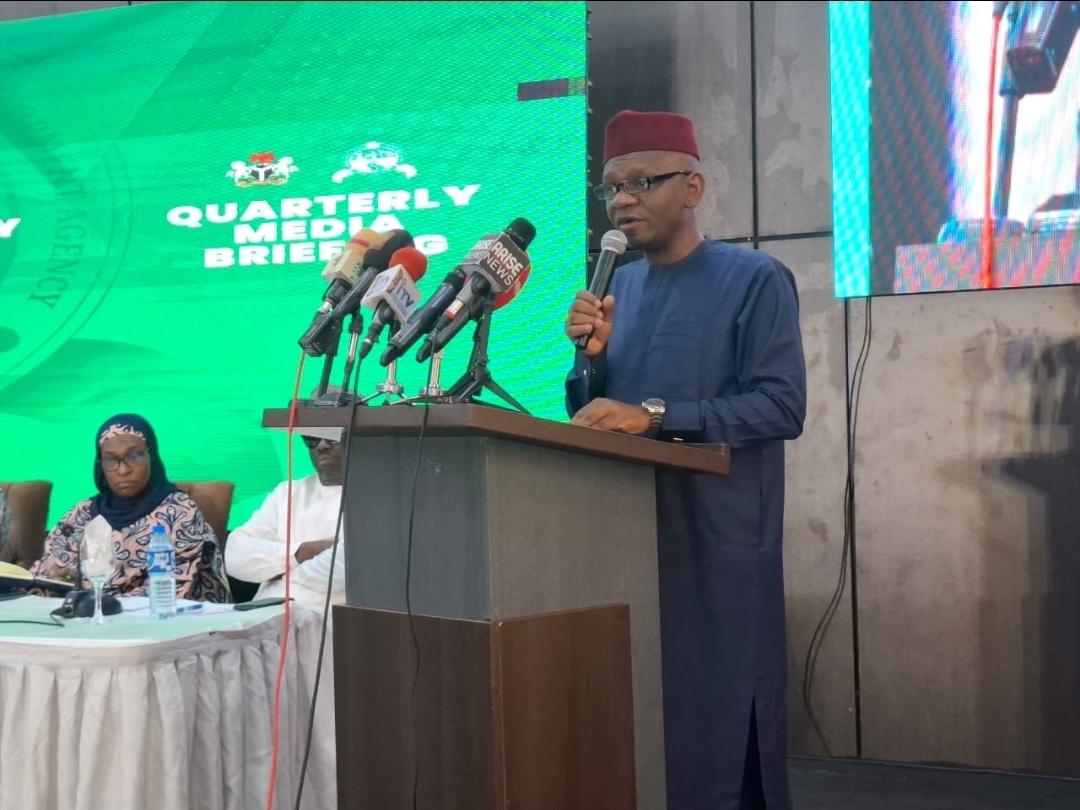
The Executive Director of the National Primary Health Care Development Agency (NPHCDA), Dr. Muyi Aina said Nigeria is witnessing unprecedented progress in the revitalisation of Primary Health Centres (PHCs), backed by stronger reforms, renewed political will and increased federal investment.
Speaking during the agency’s Quarterly Media Briefing in Abuja, Dr Aina said that 2,125 PHCs have now been fully revitalised nationwide, while another 1,671 is in various stages of completion.
He said these efforts are aligned with President Bola Tinubu’s
directive to ensure at least one functional, fully equipped PHC in every political ward, totaling 17,600 facilities.
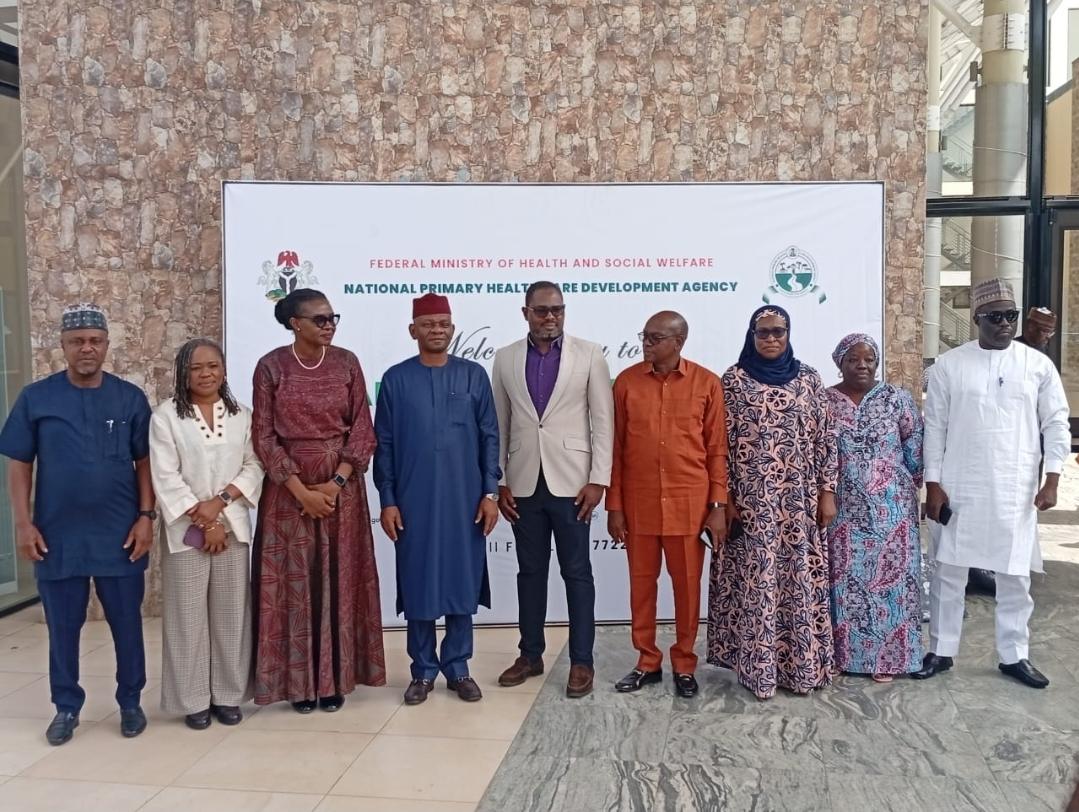
Dr. Aina noted that “500 PHCs have already been directly upgraded by the Nigerian government with solar power, staff quarters, clean water systems, and essential medical commodities.”
He said that community engagement structures, including Ward Development Committees, have been reactivated in many locations to guarantee ownership, maintenance, and improved service uptake.
Read Also: Nigeria Needs $1 Billion to Sustain Immunisation – NPHCDA
Dr. Aina announced sweeping reforms under the Basic Health Care Provision Fund (BHCPF), which now prioritises transparency, direct facility financing, and performance-based incentives.
He said; “Under the revised structure, low-volume PHCs will receive ₦600,000 quarterly, while high-volume facilities will get ₦800,000 to support operations in line with current economic realities.”
He confirmed that 31 states have already been cleared for Q3 disbursements, following strict verification and accountability checks introduced by the Ministerial Oversight Committee.
The Executive Director also highlighted the recruitment of 1,909 community health extension workers and 1,155 skilled birth attendants to strengthen frontline staffing.
Dr Aina further said that “new digital tools, including the PHC management app, data dashboards, biometric attendance systems, and expanded geo-mapping, are helping to track funding, improve commodity distribution, reduce wastage, and provide real-time visibility into PHC performance.”

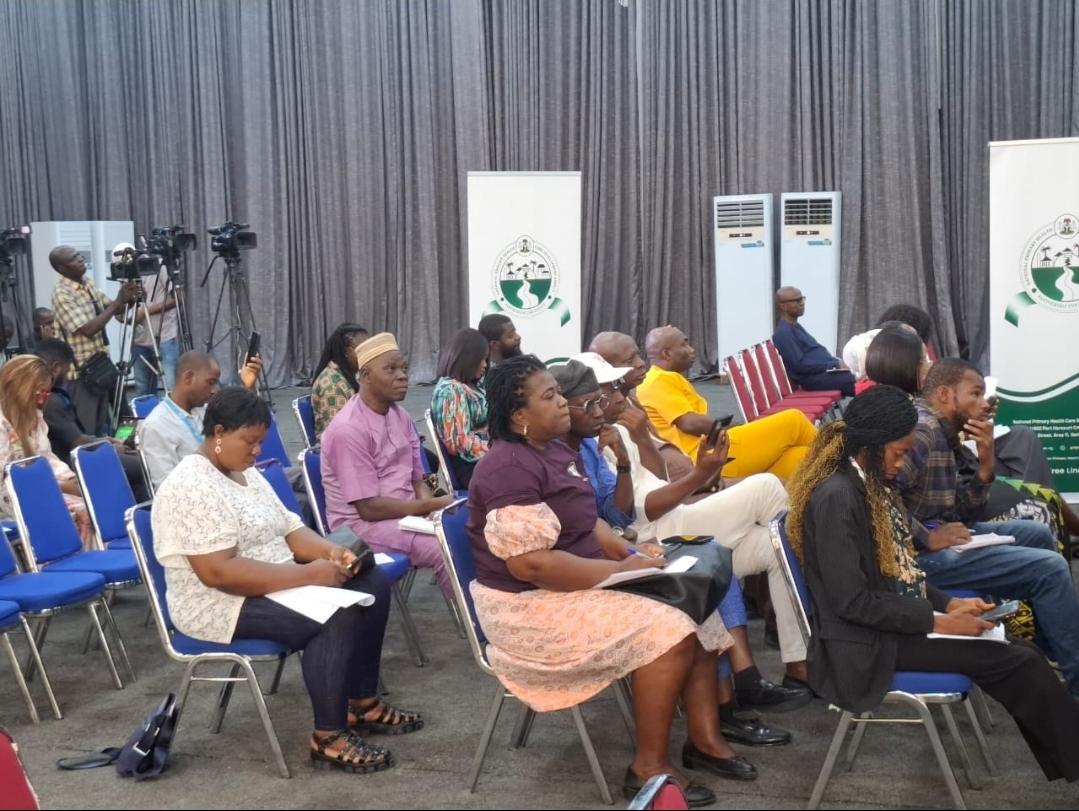
He emphasised that these changes are ensuring that every naira allocated reaches the service delivery point.
On immunisation and disease control, Dr. Aina reported major gains from intensified routine vaccination, special outreach programmes, and integrated campaigns conducted in partnership with state governments and global health partners.
He said the “Identify, Enumerate and Vaccinate” strategy has documented 7.4 million children, vaccinated 3.4 million, and reached 163,000 zero-dose children who had previously never received any vaccine.
Dr Aina explained that “The recent nationwide integrated campaign achieved broad coverage, reaching 59 million children with the measles-rubella vaccine, 39 million with oral polio vaccine, and administering the HPV vaccine to 678,000 adolescent girls.
“Millions of Nigerians also benefitted from malaria testing and treatment, vitamin A supplementation, deworming, and neglected tropical disease interventions”.
He confirmed that President Tinubu approved ₦68 billion for vaccine co-financing, enabling the country to avert a critical vaccine stock-out and strengthen supply chain stability.