


Stakeholders of the All Progressives Congress (APC) in Cross River State, south-south Nigeria, have described the newly signed Electoral Act as a bold step in the nation’s democratic evolution.
Speaking in separate interviews, a former minister, Betta Edu, and a party stalwart, Cletus Obun, said the new law reflected steady progress in Nigeria’s electoral process and called for greater grassroots sensitization to ensure public understanding of its provisions.
Edu said that the party was already aligning with new electoral timelines released by the Independent National Electoral Commission (INEC) and the APC’s internal schedule.
She said, “INEC has released a timetable, the party has released its timetable and a new law has been signed by Nigerian President Bola Tinubu. At this point, everyone has to adjust.
Intensify voter education
“We need to go back to the field and do all the necessary election training and provide information to our people, so they know what to expect; there is an electronic transfer and should that fail, the manual write-up would also be taken. The electorates need to know this on time,” Edu said.

She disclosed that the party was intensifying grassroots mobilisation across wards and local government areas in Cross River State, with a target of delivering 1.5 million votes in 2027.
According to her, “the pre-congress meeting was very timely because we are beginning to go back to the wards and local governments to conduct our congresses. It was important for all stakeholders to come together and plan towards the next elections.”
Insisting that a united front within the party would position the state to better align with the Nigerian Government’s ‘Renewed Hope Agenda’ and attract greater benefits, she said, “a lot of work is required to ensure that President Tinubu and Senator Bassey Otu win convincingly in Cross River State. That is why everyone is going back home to mobilise.”
Demonstration of courage
Meanwhile, Obun described the passage of the Electoral Act as “a rare demonstration of courage by President Tinubu” and an affirmation that Nigeria’s democracy “is developing in leaps and bounds.”
Obun, in defense of the new law, said, “There is no perfect law on earth. No constitution is cast in stone or iron. All laws are intended for amendment. The criticisms surrounding the Act are largely due to ignorance, mischief and sheer politics for politics’ sake.”
He argued that other advanced democracies in the world operated flawed electoral systems, noting “America has been practising democracy for more than 200 years. Nigeria, in its total existence as a sovereign nation, is 65 years old, and only about 25 of those years have been spent in democracy. So to expect a perfect document is unrealistic.”
Referencing the disputed 2000 U.S. presidential election between Al Gore and George W. Bush, he recalled that the results in Florida were manually recounted and the process extended for days.
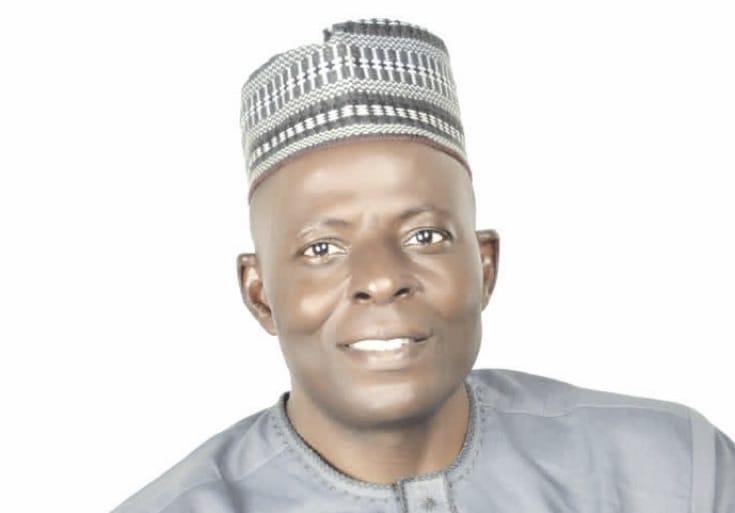
Obun maintained that the Act provides for electronic transmission, but in the event of a technical glitch, the manually collated results already in the possession of party agents, security agencies and election observers could serve as a fallback.
Both party leaders expressed optimism that continued reforms and internal cohesion would strengthen Nigeria’s democratic process and enhance the credibility of future elections.