Home Blog Page 187

Electoral Act: Senate Amends Notice Period For 2027 Elections

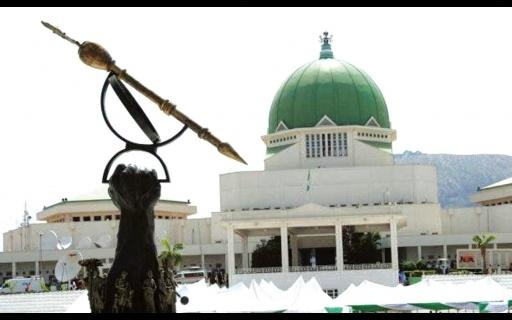
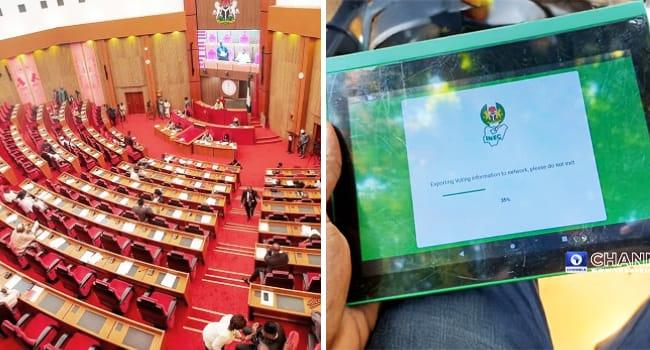
The Nigerian Senate has amended Clause 28 of the Electoral Act Amendment Bill, slashing the notice of election requirements by 60 days, from 360 days to 300, leaving the Independent National Electoral Commission, INEC, the flexibility to fix the election dates between December 2026 and January 2027.

The amendment was effected on Tuesday during the clause-by-clause consideration of the reworked Electoral Act Amendment bill.

The amended clause 28 states that “the Commission shall, not later than 300 days before the day appointed for holding of an election under this Bill, publish a notice in each State of the Federation and the Federal Capital Territory – stating the date of the election; and (b) appointing the place at which nomination papers are to be delivered.”

The amendment was effected on Tuesday during the clause-by-clause consideration of the reworked Electoral Act Amendment bill after the Senate Leader, Senator Opeyemi Bamidele, raised a motion on the Rescission and Re-Committal of the Electoral Act, 2022 (Repeal and Enactment) Bill, 2026.

Senator Bamidele stated that upon a critical review of the passed bill, the 360-day notice requirement prescribed in Clause 28 could result in the scheduling of the 2027 Presidential and National Assembly elections during the Ramadan period.

According to him, holding elections during Ramadan could negatively affect voter turnout, logistical coordination, stakeholder participation, and the overall inclusiveness and credibility of the electoral process.

The motion also highlighted discrepancies discovered in the Long Title and several clauses of the bill, including Clauses 6, 9, 10, 22, 23, 28, 29, 32, 42, 47, 51, 60, 62, 64, 65, 73, 77, 86, 87, 89, 93, and 143. The identified issues reportedly affected cross-referencing, serial numbering, and internal consistency within the legislation.

Earlier, proceedings in the Senate were momentarily stalled as lawmakers began clause-by-clause consideration of the Electoral Act, 2022 (Repeal and Re-Enactment) Bill 2026, following a motion to rescind the earlier amendment.

The motion to rescind the bill was formally seconded on Tuesday, paving the way for the Senate to dissolve into the committee of the whole for detailed reconsideration and reenactment of the proposed legislation.

During the session, Senate President, Senator Godswill Akpabio, reeled out the clauses one after the other for deliberation.

However, the process stalled when at clause 60, Senator Enyinnaya Abaribe raised a point of order, drawing immediate attention on the floor.

Following the intervention, murmurs spread across the chamber as lawmakers began speaking in small groups and approaching the Senate President’s desk for consultations.

The session immediately moved into a closed-door session.

The Senate also passed the Electoral Act, 2022 (Repeal and Re-Enactment) Bill 2026.

Before the passage, there was a rowdy session as the Legislatures resumed proceedings with a demand for division over Clause 60 raised by Senator Abaribe.

The Senate President, Senator Akpabio, stated that he believed the demand had previously been withdrawn, but several opposition senators immediately objected to that claim.

Citing Order 52(6), the Deputy Senate President, Senator Barau Jibrin, argued that it would be out of order to revisit any provision on which the Senate President had already ruled.

This submission sparked another uproar in the chamber, during which Senator Sunday Karimi had a brief face-off with Senator Abaribe.

The Senate Leader, Senator Bamidele, then reminded lawmakers that he had sponsored the motion for rescission, underscoring that decisions previously taken by the Senate are no longer valid.

He maintained that, consistent with his motion, Senator Abaribe’s demand was in line.

Senator Akpabio further suggested that the call for division was merely an attempt by Senator Abaribe to publicly demonstrate his stance to Nigerians.

The Senate president sustained the point of order, after which Senator Abaribe rose in protest and was urged to formally move his motion.

Rising under Order 72(1), Senator Abaribe called for a division on Clause 60(3), specifically concerning the provision that if electronic transmission of results fails, Form EC8A should not serve as the sole basis, calling for the removal of the proviso that allows for manual transmission of results in the event of network failure.

During the division, Senator Akpabio directed senators who supported the caveat to stand.

After counting the standing Senators, he then asked those opposed to the caveat to rise.

However, when the votes were counted, the Senate President announced that 15 senators were not in support of the proviso, while 55 senators voted in support of it.
Nigeria, Iran Explore Deeper Bilateral Engagement

0

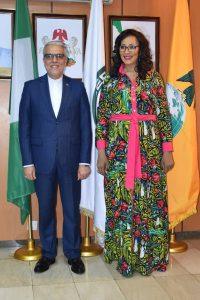
Nigeria and Iran have reaffirmed their commitment to strengthening bilateral relations in key sectors such as infrastructure, energy, agriculture, healthcare, education, science and technology.

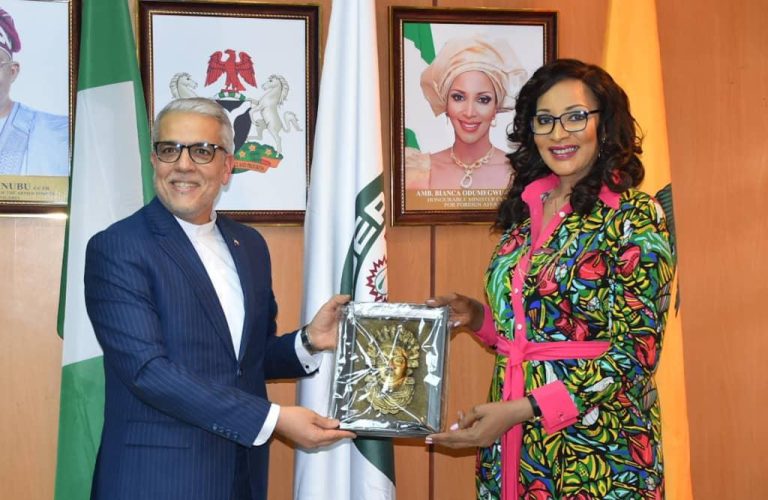
Nigeria’s Minister of State for Foreign Affairs, Bianca Odumegwu-Ojukwu, received the Iranian Ambassador to Nigeria, Gholamreza Mahdavi Raja, at the Ministry of Foreign Affairs, in Abuja the nation’s capital, where both sides reviewed existing ties and explored opportunities for expanded cooperation.

Ambassador Mahdavi conveyed greetings from Tehran and underscored Nigeria’s strategic importance in Iran’s Africa policy, particularly in West Africa.

He stressed the need for full diplomatic representation in both capitals, the convening of the 7th Nigeria–Iran Joint Commission in Abuja, and the activation of a Political Consultation mechanism to deepen engagement.

The Iranian envoy also highlighted prospects in cancer treatment services and scholarship opportunities for Nigerian students.

In her response, Ambassador Odumegwu-Ojukwu congratulated the Iranian Ambassador on his appointment and reaffirmed Nigeria’s commitment to its cordial relations with Iran, which date back to 1973.

She emphasized Nigeria’s interest in translating political goodwill into concrete outcomes through structured platforms like the Joint Commission.

Both countries reaffirmed their dedication to constructive engagement, South-South cooperation, and partnership in the multilateral fora, reflecting a shared resolve to further consolidate Nigeria–Iran relations.


International Friendly: Super Falcons To Face Cameroon’s Lionesses

0

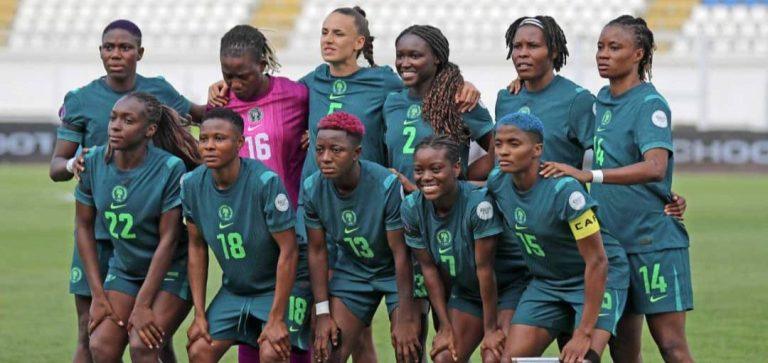
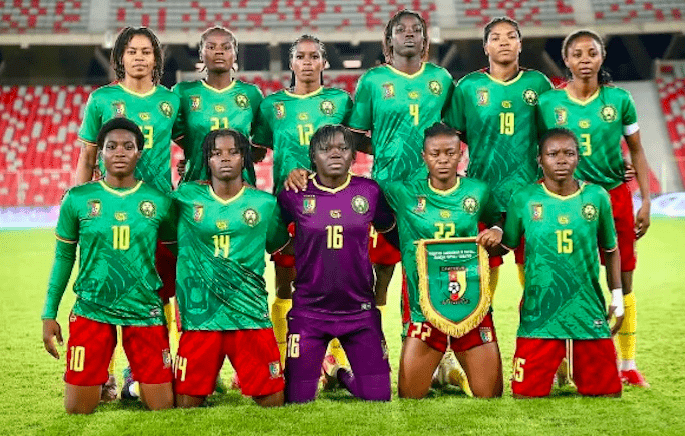
The Super Falcons of Nigeria are set to face Cameroon’s Lionesses in two International Friendly matches, as part of preparations for the 2026 Women’s Africa Cup of Nations (WAFCON), scheduled for Morocco.

Nigeria and Cameroon will clash in Yaounde on February 28th and March 3rd in a double header.

In a statement by the Head of Communications at the Nigeria Football Federation (NFF), Ademola Olajire, General Secretary Mohammed Sanusi noted that the federation was committed to ensuring proper preparation for the team.

Cameroon’s Lionesses.

“We have concluded everything that has to do with the two friendly matches, in conjunction with our counterpart body in Cameroon,” he said.

“Our commitment is to ensure that the Super Falcons are well-prepared to retain their WAFCON title in Morocco and qualify for next year’s FIFA Women’s World Cup finals in Brazil.”

The General Secretary of Cameroon Football Federation, Isaac Mandong, shared a few words.

“We are excited about the opportunity to host the Nigeria national team and to strengthen the ties between our two federations through this collaboration,” Mandong said.

All four semi-finalists at the WAFCON billed to begin from March 17th – 3rd April, 2026, will qualify directly for next year’s FIFA Women’s World Cup finals in Brazil.

The Super Falcons won their 10th WAFCON title at the Morocco 2025 edition.

Nigeria Loses N8 Trillion Annually To Concessions, Waivers – Lawmakers

0

The House of Representatives Ad hoc Committee on the Review of Tax and Export Incentives, Waivers and Exemptions has lamented that Nigeria loses about N8 trillion annually due to waivers and concessions.

The Chairman of the Committee, James Faleke, who disclosed this in a statement, gave the assurance that they would continue to give periodic reviews of the exercise and be transparent in the investigation.

“You will recall that on the 13th, the House debated the above motion with vigour and serious concern. Accordingly, the House constituted an Ad Hoc Committee pursuant to Resolution HR.112/11/2025 of 13 November 2025, with a mandate to investigate revenue losses and leakages arising from the administration of these incentives and to recommend appropriate policy and legislative reforms.

“This 19-Member Ad-Hoc Committee is chaired by no less a personality than Rt. Hon. James Abiodun Faleke, who also chairs the Committee on Finance. The House was intentional about its membership

“The Committee has, accordingly, commenced a structured review of the administration and impact of tax incentives, export incentives, waivers, exemptions, and other fiscal support instruments granted by the Federal Government between 2015 and 2025.

“Available data indicate that Nigeria loses an estimated ₦8 trillion annually to such waivers and concessions. Between 2023 and 2026, the federal government projects total revenue forgone from tax incentives at ₦12.4 trillion, while the tax-to-GDP ratio remains at only 10.6%, which is among the lowest in Africa. 

“This is paradoxical and concerning, given the financial and fiscal challenges the nation is facing. The new tax regime has presented us with an opportunity to look inwards”, Faleke stated.

The Committee Chairman further explained that “This review follows growing concerns, based on the available official data and budgetary reports, that significant public revenues may have been forgone or ineffectively applied under various incentive schemes, at a time when the nation continues to face pressing fiscal, infrastructure, and development challenges.

“While these incentives were originally designed to stimulate investment, promote exports, support strategic sectors, and grow the economy, the House has resolved that it is both necessary and timely to: Assess their actual economic impact;

“Determine whether they were administered transparently and in line with due process, and ensure that Government support delivers measurable value to the Nigerian economy.

“Given the breadth and complexity of the subject matter, the Committee is conducting its work in phases. The first phase of the review focuses on four priority areas with significant fiscal and economic implications:

“The Export Expansion Grant (EEG); The RT200bn FX Programme; The Pioneer Status Incentive, and selected Oil and Gas fiscal incentives”.

He emphasised that the exercise is not a witch-hunt and should not be misconstrued as an attempt to undermine legitimate businesses or government support programmes.

“Rather, it is intended to strengthen the administration of incentives, safeguard public funds, and restore confidence in policies designed to support investment and export-led growth.

“In particular, the Committee recognises the concerns of exporters regarding outstanding obligations under the Export Expansion Grant and is undertaking an evidence-based verification process to ensure that legitimate and duly substantiated claims are validated and appropriately addressed.

“As part of its work, the Committee has requested records from relevant Ministries, Departments, and Agencies and will, where necessary, invite companies that have benefited from these incentives to provide clarification and documentation. Such engagements will be conducted transparently, fairly, and in accordance with due process.

“The Committee’s work forms part of the House of Representatives’ broader oversight responsibility and supports the Federal Government’s ongoing economic reform efforts, including the objectives of the President’s Renewed Hope Agenda to build a resilient, competitive, and productive economy.

“The House assures stakeholders and the general public that periodic updates will be provided as the review progresses”, he added.


Nigerian Eniola Bolaji Tops Global Para-Badminton SL3 Rankings

0

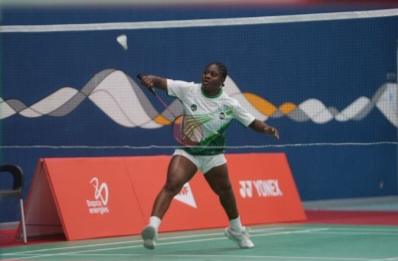
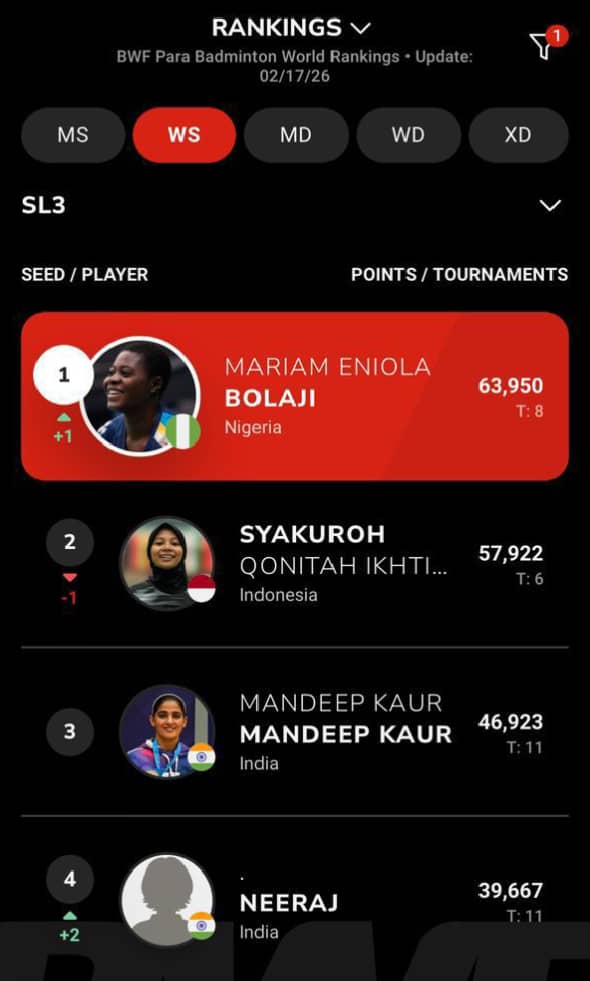
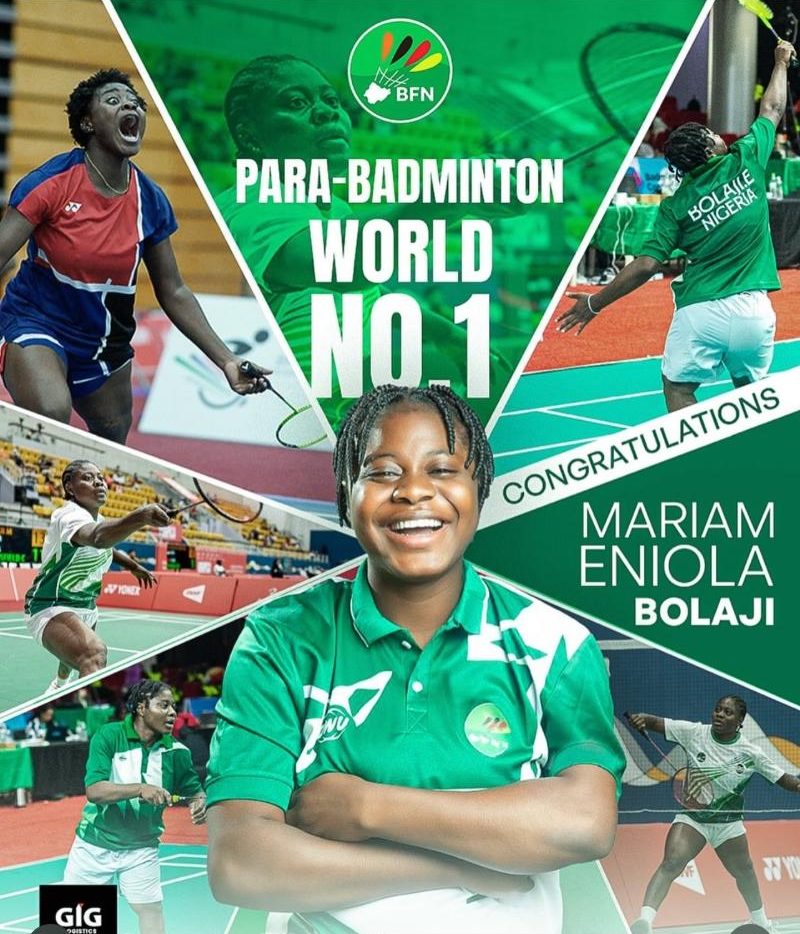
Nigerian para badminton star, Eniola Bolaji, has climbed to World Number 1 in the women’s SL3 category in the latest rankings released by the Badminton World Federation (BWF) on Tuesday, February 17th.

Bolaji ascended to the top of the world rankings following her impressive silver medal finish at the 2026 World Para Badminton Championship in Bahrain. She lost 2–0 (21–12, 21–17) in the final to Japan’s world No. 7, Shino Kawai, at the New Capital Hall on February 14th.

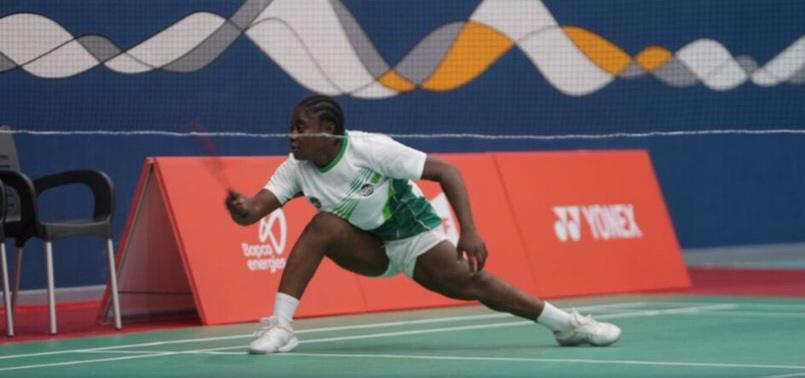
Eniola Bolaji in action.

The multiple national and African champion dethroned Indonesia’s Qonitah Ikhtiar Syakuroh from the summit of the rankings. Her rise was further boosted by her triumph at the Egypt International in January, where she successfully defended her title.

The President of the Badminton Federation of Nigeria, Francis Orbih, described Bolaji’s latest achievement as a landmark moment for Nigeria and Africa. He said her success reflects deliberate investment and structured support for para-badminton in the country.

“This is the biggest news of the year, Eniola Bolaji claiming the World No. 1 spot following her participation in the 2024 Paralympic Games,” Orbih said.

“She would likely have attained this position earlier if she had competed in more tournaments last year.”

“She regained full stability last season and has carried that momentum into this year, already featuring in two major tournaments with outstanding performances,” he added.

Orbih further acknowledged the critical role played by key stakeholders in sustaining the growth of para-badminton in Nigeria.

“This achievement is also a testament to the support and resources committed to para badminton by the National Sports Commission, the Abia State Government, and GIG Logistics,” he added.

“Their continued backing has created the enabling environment for our athletes to train, compete, and excel on the global stage.”

Despite narrowly missing out on gold, Orbih commended Bolaji’s resilience and historic accomplishment.

“I know many Nigerians were expecting another gold medal, but we must recognise that other players are equally determined to dethrone her,” the BFN boss said.

“She has now become the first African to win a silver medal at the Para-Badminton World Championship. The federation will continue to provide the necessary support as she prepares for upcoming tournaments.”

“We are confident she will continue to make Nigeria and Africa proud,” he concluded.

Bolaji’s ascent to World No. 1 marks another milestone in her remarkable journey and further cements her status as one of the leading figures in global para badminton.


Nigerian Government Enhances Youth Empowerment Initiatives Nationwide

0

The Federal Government of Nigeria, through the Federal Ministry of Youth Development, has strengthened its drive for youth empowerment and sustainable innovations with the receipt of upgraded solar-powered electric tricycles.

The tricycles were produced through a strategic collaboration between House of Destiny and the National Commercial Tricycles and Motorcycles Owners and Riders Association of Nigeria (NATOMORAS).

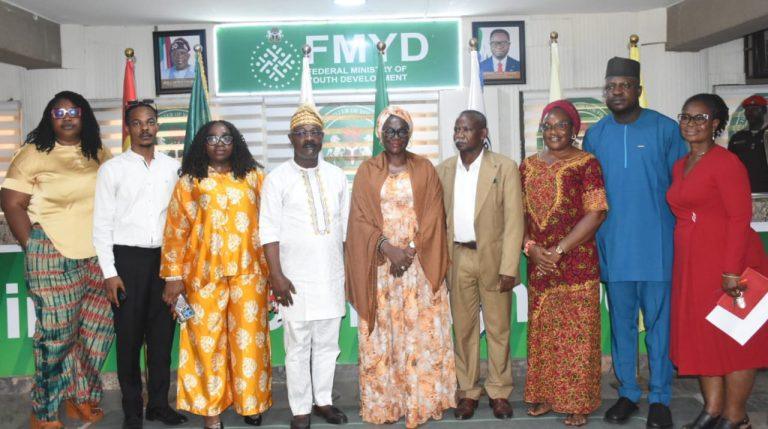
While receiving the team in her office in Abuja, the nation’s capital, the Permanent Secretary of the Ministry, Dr Maryam Ismaila Keshinro, praised House of Destiny and NATOMORAS for the innovation, stressing that the initiative would go a long way in alleviating the suffering of vulnerable youths across the country.

Dr Keshinro emphasised the significance of the partnership, describing the collaboration between the Ministry, House of Destiny, and NATOMORAS as “The three wheels of a tricycle—each essential, balanced, and mutually reinforcing in driving youth empowerment forward.”

She particularly commended House of Destiny for its commitment to addressing challenges faced by young people and vulnerable groups, underscoring the importance of structured youth engagement through entrepreneurship, skills acquisition, and sustainable business opportunities. According to her, “Empowering young Nigerians is not optional; it is a national necessity.”

She further noted that the initiative aligns with the Renewed Hope Agenda of President Bola Ahmed Tinubu, which places youth empowerment at the core of national development.

“These tricycles are not merely vehicles but instruments of employment, dignity, and self-reliance. Beneficiaries are encouraged to innovate, improve existing products, and develop solutions suited to local realities, particularly solar-powered technologies that support Nigeria’s transition to a green economy,” she added.

Earlier, the Chief Executive Officer of House of Destiny, Dr Israel Olajumoke, described the initiative as “A practical demonstration of how strategic partnerships can create meaningful employment, stimulate innovation, and provide sustainable income opportunities for Nigerian youth.”

He highlighted that the programme promotes creativity and resilience while encouraging women’s participation in traditionally male-dominated sectors, noting that empowering women and youth strengthens communities and promotes equitable access to opportunities.

Dr Olajumoke reaffirmed House of Destiny’s commitment to expanding the initiative nationwide by leveraging partnerships with the Ministry and other stakeholders to scale renewable energy solutions, deepen economic inclusion, and equip more young Nigerians with tools for self-reliance.

Also speaking, the President of NATOMORAS, Usman Gwoza, represented by the Association’s Secretary, Madonna Corosi, disclosed that 20 solar-powered upgraded tricycles were recently distributed in Yobe State, bringing the total number distributed across several states to 74 units.

She noted that the initiative promotes youth empowerment, entrepreneurship, renewable energy adoption, and broader access to economic opportunities nationwide.


Lawmakers Decry Non-Release of Funds To Interior Ministry

0

The Joint Committee of the Senate and the House of Representatives has expressed displeasure over the non-release of capital funds allocated to the Federal Ministry of Interior, describing the development as a major setback to project execution and institutional performance.

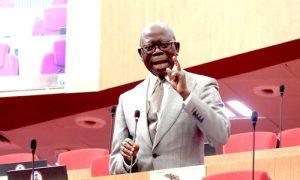
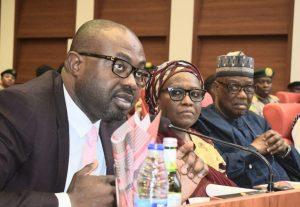
The Chairman of the Senate Committee, Senator Adams Oshiomhole, alongside other members of the joint Committee, raised concerns during a budget defence session in Abuja, lamenting that the 2024 and 2025 capital budgets of the ministry had not been released.

The Minister of Interior, Mr Olubunmi Tunji-Ojo, while briefing lawmakers on Tuesday, disclosed that the ministry recorded zero percent capital budget release for two consecutive years.

According to him, no capital allocation approved for the ministry in the 2024 and 2025 fiscal years had been released, a situation he said had severely hampered project implementation and stalled critical infrastructure development under the ministry.

The former lawmaker explained that performance on capital projects during the period under review stood at zero percent, solely due to the non-release of funds.

Mr. Tunji-Ojo noted that the ministry had plans to execute several key projects across its agencies, but the absence of capital releases made implementation impossible despite budgetary approvals by the National Assembly.

Despite the funding challenges, the minister assured the lawmakers that the ministry had remained financially disciplined, consistently remitting its Internally Generated Revenue (IGR) into the Consolidated Revenue Fund of the Federation as required by law.

Members of the joint committee expressed frustration over what they described as a recurring delay in the release of budgeted funds to Ministries, Departments and Agencies (MDAs), warning that such bottlenecks undermine the effectiveness of government institutions.

The lawmakers emphasised that the National Assembly performs its constitutional duty by approving budgets and expects the executive arm to ensure timely releases for implementation.

They, however, advised officials of the ministry to prioritise projects in line with available approvals and strategic importance, to prevent cases of abandoned projects across various parts of the country.

Agencies under the Federal Ministry of Interior that appeared for the budget defence include the Nigeria Immigration Service (NIS), the Nigerian Correctional Service (NCoS), the Nigeria Security and Civil Defence Corps (NSCDC), and the Federal Fire Service.

The development has further heightened concerns over budget implementation gaps within the federal system and the implications for service delivery in critical security and internal administration institutions.


FCTA Hospitals Earn Laboratory Certification

0

The Federal Capital Territory Administration (FCTA) has recorded a major boost in healthcare quality as three district hospital laboratories in Wuse, Asokoro and Maitama received the Medical Laboratory Science Council of Nigeria ISO 15189:2022 accreditation certificates in Abuja.

Representing the Mandate Secretary of the Health Services and Environment Secretariat, Dr. Ahmadu Abubakar described the recognition as proof of the administration’s commitment to improved healthcare delivery under the Renewed Hope Agenda of Bola Tinubu.

He noted that the certification guarantees accurate diagnosis and improved patient safety, adding that other hospitals will be encouraged to meet the same standard.

According to him, the achievement is “a great feat for the FCT” and a motivation to raise the quality bar further.

Acting Registrar and Chief Executive Officer of the council, Dr. Donald Ofili, said the FCT had expanded from a single accredited facility in 2015 to three hospitals today, commending the health authorities for sustained quality improvement.

The administration reaffirmed its commitment to maintaining the standards and extending reliable, globally competitive laboratory services to residents.

Harry Styles to Curate 2026 Meltdown Festival in London

Harry Styles will curate this year’s “landmark” Meltdown festival at London’s Southbank Centre, organisers have announced.

The former One Direction star will be headlining the event with a concert of his own, ahead of his Together tour’s dates at Wembley Stadium this summer.

He aims to highlight emerging British talent across a range of genres that have inspired his work, including pop, soul, rock and the underground scene.

Speaking about the festival, Styles said: “My goal as the curator is to share the music and art that I love, and to celebrate the rich history of the venue,” adding that he was “deeply honoured”.

The Grammy-winning artist follows in the footsteps of previous curators such as Little Simz, David Bowie, Nile Rodgers, Patti Smith and Yoko Ono.

The Southbank Centre is an arts centre in London featuring venues such as the Royal Festival Hall and the Hayward Gallery.

It first opened in 1951, with this year marking 75 years since the first performance there.

Mark Ball, artistic director of the venue, said he was looking forward to the festival becoming Styles’ “creative playground“.

Harry Styles is an iconic British artist with a global influence whose impact extends across artistic disciplines, generations and borders,” Ball said.

Throughout our 75-year history, the Southbank Centre has existed to give our greatest artists a platform to take creative risks and present work that pushes contemporary culture into new and unexpected directions,” he said.

The festival will run from Thursday June 11 until Sunday June 21, with the full line-up and ticket release dates to be confirmed in the spring.


BBC/Victoria Ibanga

FUL New Vice-Chancellor Vows to Add Value to University

0

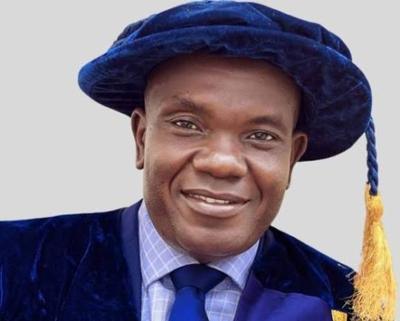
The new Vice-Chancellor of the Federal University Lokoja, Professor Gbenga Solomon Ibileye, has pledged his commitment to purposeful and transformative leadership that will add value to the institution.

Professor Ibileye lauded“the transformative initiatives” of the President Bola Tinubu administration in Nigeria’s education sector.

Speaking at his inauguration as the fourth Vice-Chancellor of the Federal University Lokoja in central Nigeria, he said; “the regulatory institutions of tertiary education, guided by the effective policy frameworks of the Tinubu administration, have strengthened the Nigerian university system with innovative and landmark development policies.’

“Regulatory institutions, including the Federal Ministry of Education, the National Universities Commission, the Tertiary Education Trust Fund, and the Joint Admissions and Matriculation Board, have improved academic standards and excellence in tertiary education under the guidance and policy thrust of the current administration,” he said.

Professor Ibileye said that the establishment of the Nigeria Education Loan Fund has increased access to tertiary education in Nigeria, especially for underprivileged students.

The Vice-Chancellor said his administration would deepen collegial governance and strengthen the committee system as the engine of decision-making, emphasising that responsibility and governance must sit close to the work in departments, faculties, and units.

Professor Ibileye urged academic and non-academic staff to be guided by trust, accountability, and clear institutional values.

Also Read: Nigeria Reaffirms Commitment to Youth-Led Education Reform

Professor Ibileye proclaimed a new vision to transform the Federal University Lokoja into a world-class institution distinguished by academic excellence, cutting-edge research, innovation, and societal impact, while nurturing globally competitive students and staff in an enabling environment defined by transparency, inclusiveness, and collaboration.

“This vision is anchored in a clear mission: to enhance academic quality and strengthen research capacity; expand infrastructural development and digital transformation; promote global partnerships, innovation, and entrepreneurship; foster inclusiveness, staff development, and student welfare; and deepen community engagement and sustainable development initiatives,” he said.

Professor Ibileye said: “Academic excellence will remain our core identity. Accreditation standards will be strengthened. Market-relevant programmes in emerging fields will be introduced thoughtfully. Interdisciplinary scholarship will be encouraged. Research visibility will be improved. Centres and hubs addressing national and regional challenges will be developed strategically.

“Digital transformation will enhance efficiency and transparency. Innovation and entrepreneurship will be institutionalised. No Vice-Chancellor succeeds alone. No administration prospers without cooperation. And no university advances where responsibility is fragmented.”

“My goal is to strengthen this University as a system, one that functions through clear processes, shared responsibility, and institutional discipline. A strong university works because its structures are sound, not because individuals are present,” he said.

Professor Ibileye also urged the Kogi State Government to take greater interest in the affairs of the university as a partner in human capital development, innovation, and regional transformation.

He expressed happiness with the friendship and support of the host community, noting that the university had benefited from their cooperation since its inception.

“It exists within a living community shaped by history, culture, and values. We recognise this, we respect it, and we are grateful for it. This administration will continue to strengthen the bond between the University and its host community through dialogue, mutual respect, and shared responsibility for development,” he said.

“With the guidance of the Governing Council, the wisdom of the Senate, and the cooperation of the University community, supported by the goodwill of friends, the strength of my family, and the grace of God, I am confident that the Federal University Lokoja will continue to grow in stature, stability, peace, and relevance,” Professor Ibileye said, expressing hope for a renewed vision for the university.