Home Blog Page 226

Riverine Sand Miners Seek Regulatory Guidance From NIWA

0

Operators in Nigeria’s riverine sand mining sector have urged the National Inland Waterways Authority (NIWA), the federal agency responsible for regulating inland waterways, to provide clearer guidance on regulatory oversight along the River Niger amid concerns over overlapping federal and state controls.

In recent weeks, sand miners operating along the River Niger raised concerns that unclear coordination between federal and state authorities is affecting business operations and disrupting economic activities.

In Onitsha, a major commercial hub, members of sand miners’ and tipper drivers’ associations staged a peaceful protest at NIWA’s Area Office on Friday. The demonstration, which involved an estimated 150 to 200 participants, aimed to formally seek regulatory clarity and institutional guidance for their operations.
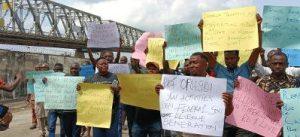
The protesters carried placards and documents, stating that they operate under licences issued by NIWA and the Federal Ministry of Mines. They explained that their engagement with NIWA was intended to highlight operational challenges arising from what they described as overlapping regulatory expectations at different levels of government.

Speaking on behalf of the group, President of the Riverine Sand Miners Association, Mr Christopher Mbaegbu, said the association recognises NIWA as the statutory authority overseeing inland waterways and turned to the agency for clarification on regulatory responsibilities.

“We obtained all necessary licences and approvals after meeting federal requirements

“Our intention is to understand clearly how federal and state regulations align, so that we can continue operating lawfully and productively,” Mbaegbu said.

The associations noted that enforcement actions in recent weeks had affected trucks, heavy equipment and work schedules, increasing operating costs and slowing the supply of sand to the construction sector. They added that improved coordination among relevant authorities would help prevent disruptions and strengthen investor confidence.

Tipper drivers, who transport sand from riverbanks to construction sites, also expressed support for regulation and environmental standards. Chairman of the Anambra State Tipper Drivers Association, Mr Augustine Akigwe, said drivers contribute significantly to the state’s internally generated revenue through approved levies and fees.

“We are committed to compliance. Clear guidelines on approved routes, fees and regulatory oversight will help everyone operate more efficiently.” Akigwe said. 

In response, NIWA’s Area Manager in Onitsha, Sir Victor Nwokocha, reiterated that the authority operates under federal law and is mandated to regulate activities on inland waterways. He said NIWA remains open to collaboration with state institutions to ensure smooth and lawful operations.

“NIWA believes that regulatory issues are best resolved through dialogue and adherence to existing legal frameworks,” Nwokocha said, adding that the matter had been reported to the agency’s headquarters for further guidance.

The Anambra State Government, through the Managing Director of Operation Clean and Healthy Anambra (OCHA Brigade), Mr Celestine Anere, said the state’s priority is regulation, environmental protection and road safety. He noted that operators using state infrastructure are expected to comply with applicable state requirements, particularly those designed to prevent damage to roads and the environment.

“Our responsibility is to ensure orderliness and environmental standards,” Anere said, adding that the state welcomes lawful business activities conducted in line with regulations.

The operators appealed to Anambra State Governor, Professor Chukwuma Soludo, to support efforts to harmonise federal and state roles, describing such alignment as essential for sustaining jobs, boosting revenue and promoting investment.

As Nigeria continues to strengthen its infrastructure and improve the business environment, the engagement in Onitsha highlights the importance of intergovernmental cooperation in managing natural resources. For stakeholders along the River Niger, clear policies and sustained dialogue remain central to long-term stability and growth.
Osun Governor Calls for Stronger South-West Civil Service

0

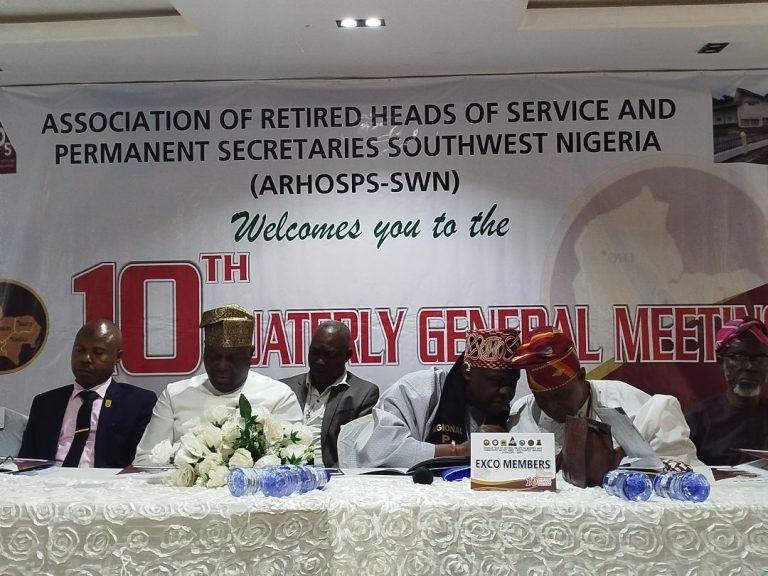
Osun State Governor, Ademola Adeleke, has called for the strengthening of the civil service in south-west Nigeria as a crucial pathway to sustainable regional development.

The governor made the appeal on Saturday at the 10th Quarterly General Meeting of the Association of Retired Heads of Service and Permanent Secretaries (ARHOSPS), South-West, held in Osogbo, the Osun State capital.

Adeleke stated that a stronger civil service serves as an engine for effective governance, better policy implementation, and regional progress, emphasising that the south-west could achieve more with a professional and efficient civil service.

He noted that worldwide, development is driven by sound policies, efficient institutions, and disciplined implementation, nurtured by a functional and professional civil service.

According to him, the focus of ARHOSPS’ meeting on civil service management and good governance was timely, stressing that it directly addresses the development challenges confronting the region.

Adeleke said, “The South West cannot achieve its full potential without a civil service that is professional, ethical, innovative and people-centred. The civil service is the heart of every government, and its workers serve as the engine that makes government activities move in the direction of development.”

Also Read: Osun Government Enhances Economy With New Road Projects

The Governor urged the association to continue offering their guidance and insights on civil service management, noting that their experience remains valuable even after retirement.

“Many of you gathered here today were central to building these foundations during your years in office. Your experiences shaped systems that continue to serve our people across the region,” he said.

The Chairman of Osun ARHOSPS, A. F. Olatoye, reaffirmed the association’s commitment to the continued advancement of the civil service and the south-west region at large.

He explained that the association was established in Osun State not only to cater to the welfare of its members but also to contribute to the growth and development of the civil service in the state.

“The Osun State Association of Retired Heads of Service and Permanent Secretaries came into existence on 21st May 2009 with the primary objective of promoting the welfare of its members and advancing the continuous growth and development of the Osun State civil service, which is the immediate constituency of all members of the Association.”

Olatoye commended the Osun State government for maintaining a cordial relationship with the association, noting that collaboration between serving and retired public officers remains vital for effective governance and sustainable development.

Governor Ademola Adeleke was represented at the occasion by the Secretary to the Osun State Government, Teslim Igbalaye.

Immigration Service Refutes Claims Of Regional Passport Restriction

0

The Nigeria Immigration Service (NIS) has described as baseless an online report claiming that a specific region of the country has been disqualified from passport issuance.

In a statement issued by the Service Public Relations Officer, Akinsola Akinlabi, the NIS categorically stated that the report is entirely false and a gross misrepresentation of ongoing government reforms to modernise passport administration.

“The reality is that NIS has introduced a phased onboarding system to migrate passport offices, including those in foreign missions, to a centralised production framework. This modernisation effort, which began in 2024, is designed to enhance the efficiency, integrity and security of Nigeria’s passport production system, and not to exclude any citizen,” he noted.

He added that the Service has successfully onboarded passport offices in the North East and North Central states of Borno, Yobe, Benue, Kogi, Nasarawa, Niger and Plateau, along with 35 international stations spread across Africa, Asia, Europe and South America.

Also Read: Nigeria Immigration Service Reviews Passport Application Fees

“Furthermore, scheduled migration for the five South East states of Abia, Anambra, Ebonyi, Enugu and Imo, and five additional international stations (Italy, Greece, Spain, Switzerland and Austria) is currently ongoing within the first quarter of 2026,” the Public Relations Officer said.

He emphasised that, consequently, the Service has established a strict work-plan calendar to ensure this transition is seamless and does not disrupt delivery timelines, as the goal is to drive the process towards greater efficiency.

Akinlabi, however, advised the public to disregard speculative narratives capable of creating unnecessary tension, as the Service continues to implement reforms in the overall national interest. Nigeria Immigration Service remains committed to equitable service delivery and operational excellence.

Health Sector Unions Suspend 84-Day Strike

0

The Joint Health Sector Unions (JOHESU) in Nigeria has suspended its 84-day nationwide indefinite strike after reaching an agreement with the federal government at an emergency conciliation meeting convened by the Federal Ministry of Labour and Employment.

The decision followed an expanded emergency meeting of JOHESU’s National Executive Council (NEC) held on February 6, 2026, in Abuja and virtually, where members reviewed the outcome of February 5 talks aimed at resolving the dispute that began on November 15, 2025. The union directed all members to resume work from midnight on February 6.

In a communiqué signed by National President Kabir Ado Minijibir and National Secretary Martins Egbanubi, JOHESU said the strike was suspended to allow implementation of agreed settlement terms. The union said the action stemmed from the failure of federal and some state governments to address long-standing demands, especially the non-implementation of adjustments to the Consolidated Health Salary Structure (CONHESS), pending since 2014.

The NEC expressed concern over the humanitarian and economic toll of the strike, citing increased maternal and infant mortality and claiming the federal government lost nearly one trillion naira in internally generated revenue during the period.

“Earlier efforts to resolve the dispute included meetings with the Federal Ministry of Health in January and previous conciliation attempts by the Ministry of Labour. A breakthrough came after a 14-day ultimatum by the Nigeria Labour Congress (NLC) and Trade Union Congress (TUC), prompting the February 5 emergency session attended by key government officials and labour leaders”.

“Resolutions reached include restructuring the collective bargaining agreement to correct implementation gaps from 2009 to 2026, immediate negotiations on outstanding CONHESS issues under JOHESU, and budgetary provisions for adjustments in the 2026 Appropriation Act”.

The government also agreed to withdraw the “no work, no pay” directive, pay January 2026 salaries to affected workers, and ensure no member faces victimisation for participating in the strike.

JOHESU warned that failure to implement the agreement could prompt further lawful industrial action by the NLC and TUC. The union thanked several stakeholders, including National Assembly leaders, health sector officials, traditional rulers, and affiliate unions, for their roles in resolving the crisis.

While appreciating public support, JOHESU urged governments to act responsibly to prevent a recurrence of the hardship experienced during the strike.


President Tinubu Reopens Border to Enhance Nigeria–Benin Trade

0

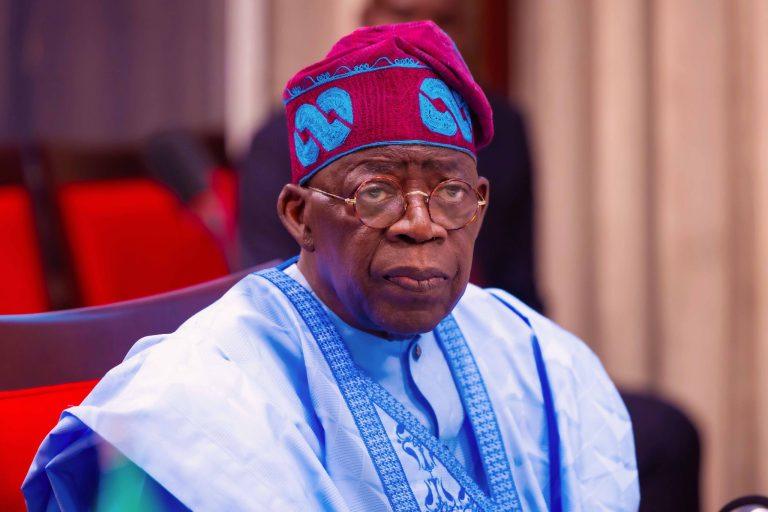
President Bola Ahmed Tinubu has approved the reopening of the Tsamiya border between Kebbi State and the Republic of Benin to boost socio-economic activities between the two countries.

The Comptroller-General of the Nigeria Customs Service (NCS), Bashir Adewale Adeniyi, stated this during a stakeholders’ meeting in Kebbi State.

He said the President had approved for the transit of commercial trucks from Kebbi State into the Benin Republic, “without compromising national security.”

Comptroller Adeniyi explained that the reopening would facilitate the movement of goods and support legitimate trade, adding that measures were being put in place to allow the passage of about 2,000 trucks that had been stranded at the border for several months.

The Comptroller-General commended the contributions of retired Director of the Nigeria Customs Service and former Comptroller-General, Abubakar Musa Garkuwan Yauri, a native of Kebbi State, for his distinguished service.

Also speaking, Governor Nasir Idris said the Kebbi State Government would provide social amenities and critical infrastructure at the Tsamiya border to ensure smooth trade flow between Nigeria and the Benin Republic.

Also Read: Nigeria, Republic of Niger Deepen Border Security Cooperation

He praised President Tinubu for reopening the Tsamiya–Sagbana border crossing, describing the move as a major boost to economic and commercial activities.

“Kebbi State thanks President Bola Ahmed Tinubu for reopening the Tsamiya border and making it functional. The President keeps his promises and has demonstrated sincerity by authorising this reopening for the economic prosperity of both nations,” Governor Idris said.

He assured that the state government would fulfil its responsibilities to ensure efficient border operations and provide the necessary infrastructure after consultations.

Governor Idris also commended the Comptroller-General for transforming the Nigeria Customs Service, adding that Kebbi State would remain a customs-friendly state and continue to value its serving and retired customs officers.

Meanwhile, the Minister of Budget and Economic Planning, Senator Abubakar Atiku Bagudu, said President Tinubu’s economic reforms were beginning to improve the national economy, with benefits expected to reach grassroots communities.

The meeting was attended by the Minister of Budget and Economic Planning, Senator Abubakar Atiku Bagudu; a representative of the National Security Adviser; heads of security agencies; senior officers of the Benin Republic Customs Service; and the Kebbi State Governor, Nasir Idris.

Oyo State is Positioned for International Trade – Governor Makinde

Governor Seyi Makinde of Oyo State has said the state has been positioned as a global player in the exporting business and as a strategic connecting hub for other states seeking access to international markets.

The governor said that this was made possible following the implementation of the African Continental Free Trade Area (AfCFTA) strategy by Oyo State in 2025.

Makinde, who was represented by the Secretary to the State Government, Professor Musibau Babatunde, disclosed this during theTraining of Trainers Workshop” organised for stakeholders involved in the implementation of the AfCFTA strategy in the state, held at the Local Government Staff Training School, Secretariat, Agodi, Ibadan.

The governor stated that Oyo State chose to be the first sub-national government in Africa to sign and domesticate the AfCFTA strategy because the state government decided to be deliberate and forward-looking in unlocking the massive opportunities in trades, export business and industrialisation.

He explained that the state keyed into the initiative because of its vast potential to expand market access, remove tariff barriers, and create new opportunities for Oyo State products across African countries, saying the AfCFTA framework would significantly enhance Oyo State’s agricultural business, particularly in terms of export volumes and rising demand for agricultural produce.

He stated: “We keyed into this because we know it is going to expand the market access opportunities for Oyo State in terms of our products getting into other countries free of tariff since we developed our implementation strategy.

“We also know that this is going to enhance our agribusiness and agricultural sector in terms of the exports that we are going to bring about and the demand that is going to come in for our exports.”

Governor Makinde noted that the initiative would also provide a platform to promote Oyo State’s service sector, including education, healthcare, tourism, and other service-based industries within the state.

He described the initiative as an integrated opportunity that brings together both state and non-state actors, stressing that effective implementation depends largely on capacity-building, which according to him, informed the decision to organise the Training of Trainers Workshop.

Read Also: Oyo Government Launches Implementation Strategy for AfCFTA 

Nigeria Leads Continental Push for AfCFTA Implementation

The governor explained further that participants at the workshop would be exposed to the opportunities available in the AfCFTA implementation strategy, the integrated value chain, regulatory mechanisms, and the critical roles regulators must play to ensure compliance and success.

He said the trainees are expected to return to their respective associations and disseminate the knowledge gained, thereby ensuring a broad-based understanding and effective grassroots implementation of the AfCFTA strategy across the state.

Makinde noted: “For the state actors and the non-state actors to be able to implement these strategies, we need to enhance their capacity. That’s actually why we are building their capacity at this particular Train the Trainers Workshop.

“Different professional associations and different government agencies will be involved in carrying out these implementation strategies. So, we need to enhance their capacities and make them realise what they need to do.”

Non State Actors Investment in AfCFTA

Earlier in her welcome address, the Special Adviser on International Trade and African Continental Free Trade Area, Ms Neo Theodore Tlhaselo, congratulated the AfCFTA Secretariat, Oyo State Government, partners and participants at the workshop on their dedication and commitment to the implementation of the AfCFTA in Oyo State.

She noted that no government could implement the strategy without substantial investment in the AfCFTA by non-state actors, and therefore charged government partners to invest in the implementation of AfCFTA without depending on the government.

Tlhaselo stated: “So, this Train the Trainers Workshop will equip us to be able to articulate that which we intend to achieve. And to also align whatever strategies and plans that you have within your organisations to what we intend to achieve as a state.

“This workshop is mandatory. It is what is expected of us by the AfCFTA Secretariat. So, we are ensuring that we are compliant to every exercise that is expected of us.”

The event had in attendance the Commissioner for Trade, Industry, Investment and Cooperatives, Hon Adeniyi Adebisi; the Senior Consultant, Conversation With Africa, Mr Mawana; and the Special Adviser to the Governor on Homeland Security and Migration Service, ACG Segun Adegoke (rtd).

Also present were, the Director-General, Oyo State Investment and Public-Private Partnership Agency, Mr Tilewa Folami; Permanent Secretary, Ministry of Trade, Industry, Investment, and Cooperatives; development partners and other stakeholders.

Ogun at 50: Leaders Call for Unity, Investment

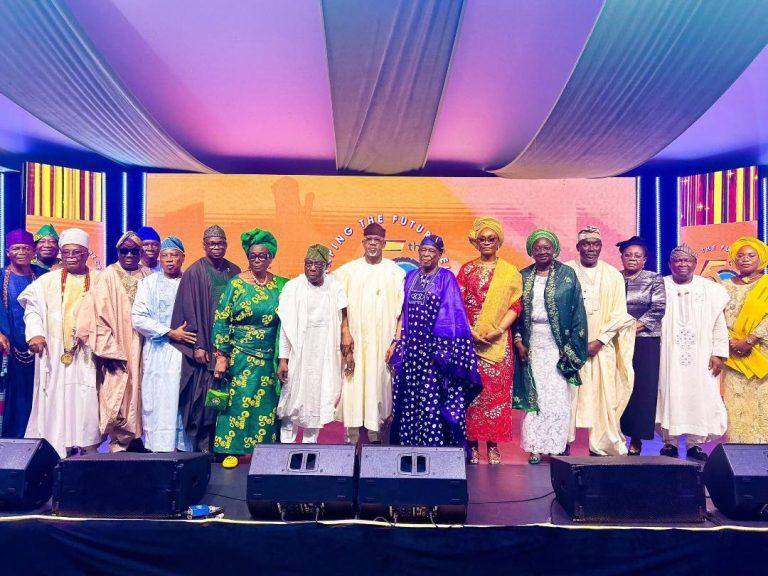
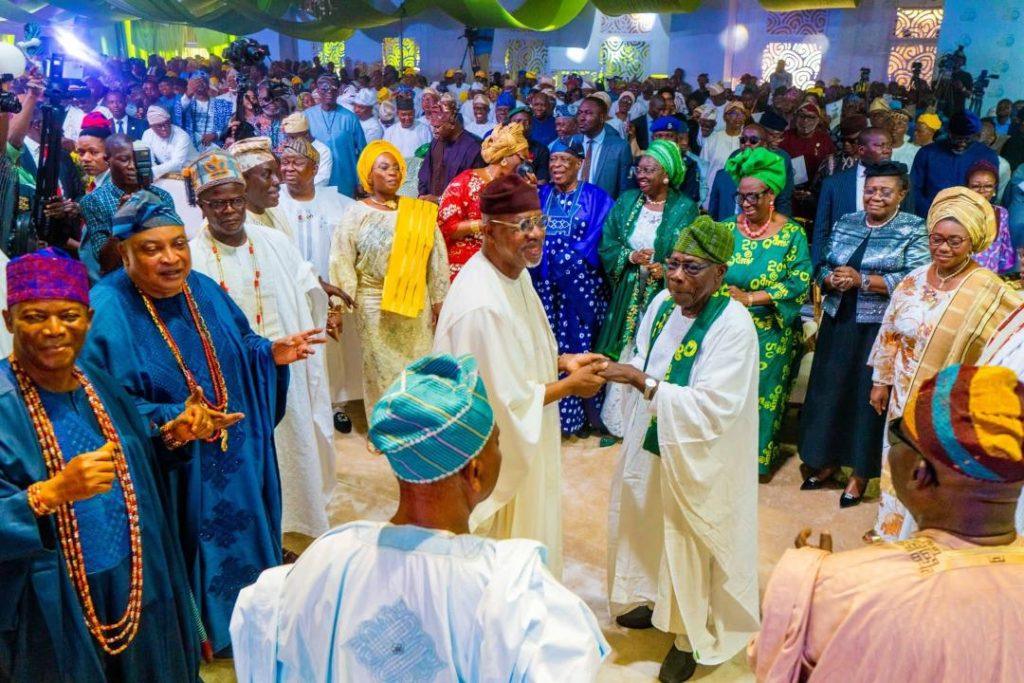
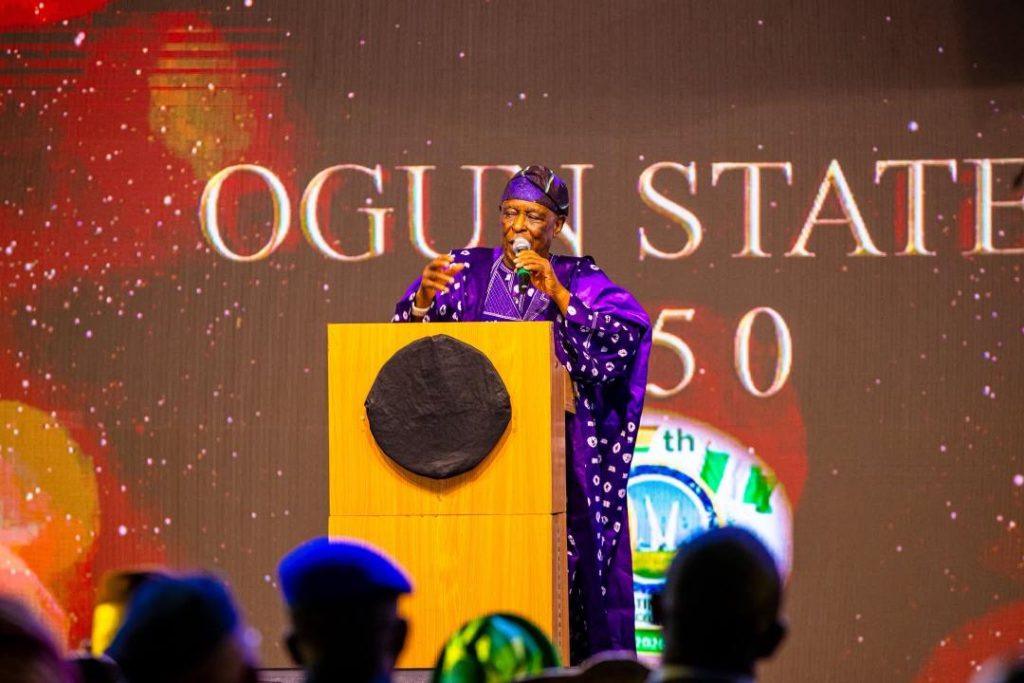
Ogun State has marked 50 years since its creation with renewed calls for unity, increased investment and sustained development, as political leaders, traditional rulers and religious figures gathered in Abeokuta to commemorate the Golden Jubilee of the state.

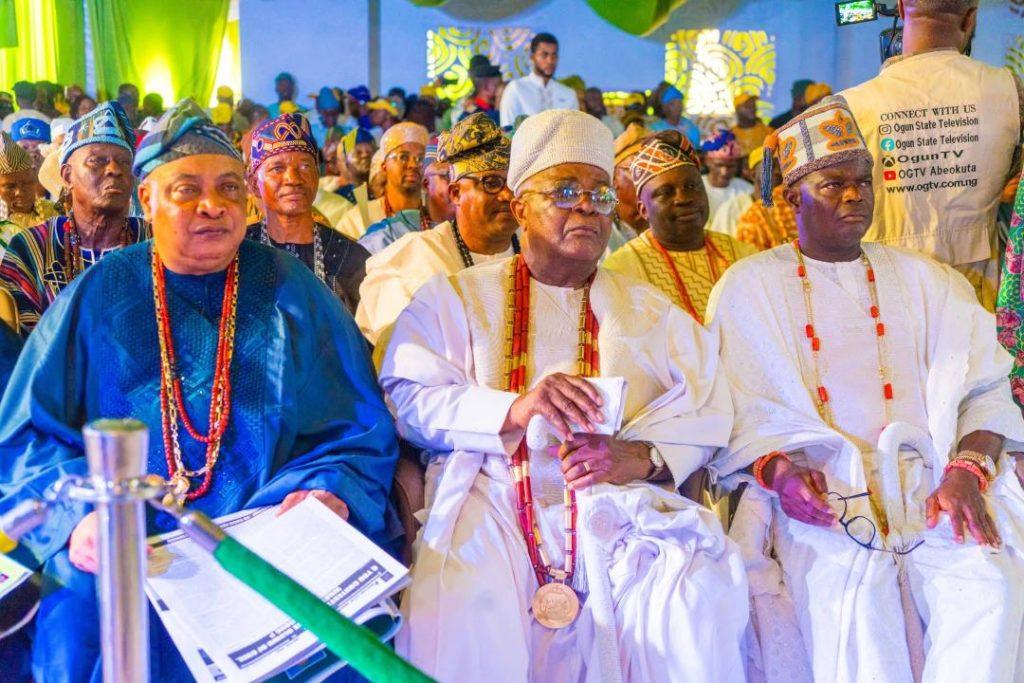
The milestone was observed with an interfaith thanksgiving and prayer service held at the Arcade Ground, Governor’s Office, Oke-Mosan, Abeokuta. The event brought together a wide array of dignitaries and citizens, reflecting the spirit of unity that has shaped the state since its creation in 1976.

Among those in attendance were former President Olusegun Obasanjo, former Governor Olusegun Osoba, past military administrators, royal fathers and other eminent sons and daughters of Ogun State.

Addressing the gathering, Governor Dapo Abiodun reflected on the state’s transformation over the past five decades, highlighting progress in education, healthcare, housing, agriculture, infrastructure and industrial development.

“Ogun has attained an unprecedented level of prominence and excellence,” Abiodun said. “Our strategic location, industrial depth, and infrastructure investments have positioned us as the gateway to Nigeria’s prosperity.”

The governor noted that Ogun now boasts an estimated ₦17 trillion economy, ranking it among the fastest-growing states in the country and placing it second only to Lagos. He added that the state’s proximity to Lagos has enabled it to emerge as a major industrial hub, hosting manufacturing plants, agro-processing centres and logistics facilities.

Former President Obasanjo praised the foresight of past leaders and the resilience of the people, urging the present administration to further harness Ogun’s location by deepening infrastructure development and attracting more domestic and foreign investment.

Also Read: Niger State at 50: Minister Hails Resilience, Calls for Unity 

Former Governor Osoba recalled Ogun’s early contributions to Nigeria’s judicial and administrative history and commended successive governments for building on foundations laid decades ago.

Speaking for former military administrators, Commodore Kayode Olofinmoyin (rtd.) described Ogun as a state blessed with an enlightened population and leadership committed to inclusive development.

Traditional rulers also spoke at the event. The Olu of Ilaro and Chairman of the Ogun State Council of Obas, Oba Kehinde Olugbenle, acknowledged the spread of development projects across the state and urged sustained focus on people-centred governance.

Reflecting on the state’s journey, Chairman of the Governor’s Advisory Council, Pa Olu Okuboyejo, described Ogun’s growth as one marked by perseverance and divine grace. In a sermon titled “Ogun State, Be Grateful to God for Your Inheritance,” Bishop Michael Fape said the state’s consistent rise was rooted in visionary leadership and responsible governance.

As the Golden Jubilee celebrations continue, stakeholders agreed that Ogun’s next phase of growth must be anchored on unity, investment and innovation to strengthen its role as a key contributor to Nigeria’s economy and a model for subnational development.

INEC Hails BVAS Performance in FCT Mock Polls

The Independent National Electoral Commission (INEC) has expressed satisfaction with the performance of its Bimodal Voter Accreditation System (BVAS) following a mock accreditation exercise conducted across 289 polling units in the Federal Capital Territory (FCT).

INEC Chairman, Professor Joash Amupitan, described the BVAS as a “game changer,” noting that the exercise was aimed at testing the system’s efficiency and identifying possible challenges ahead of the FCT Area Council elections scheduled for February 21.

He said the improved technology accredited voters in less than five seconds and effectively prevented multiple voting.
Amupitan explained that the mock exercise also served as a civic awareness effort to address voter apathy, while urging political parties to intensify voter mobilisation.

He assured residents that all non-sensitive materials had been deployed and that backup measures, including mobile hotspots, were in place to address potential technical issues, especially in rural areas.

The INEC chairman also visited the training session for Supervisory Presiding Officers, where he urged them to study their manuals thoroughly and uphold the integrity of the electoral process.

Electoral officers and voters who participated in the exercise described the BVAS as seamless and efficient, expressing optimism for a smooth and credible election.

Political party agents from the APC and ADC were also present to observe the mock exercise.

NAN

South Africa launches Local Foot, Mouth Vaccine as Infection Surge

0

South Africa has announced its first foot-and-mouth vaccine in 20 years as it seeks to boost local production of inoculation doses to fight the country’s worst outbreak of the disease in many years.

Foot-and-mouth is a highly contagious viral disease that mainly affects cattle, causing painful blisters in the mouth and on hooves.

Although it is not often fatal, especially among adult cattle, it affects livestock’s productivity.

Developed by the government’s Agricultural Research Council (ARC), the vaccine will be part of South Africa’s bid to vaccinate 80% of its national herd of about 12 million cattle, 7.2 million of which are on commercial farms.

The ARC will supply 20,000 vaccine doses per week from March 2026, raising its output to 200,000 doses per week from 2027, the Agriculture Ministry said in a statement.

South Africa is having to import most of its foot-and-mouth vaccines, including from Botswana, Argentina and Turkey, due to the limited capacity of its underfunded state-owned manufacturing entities.

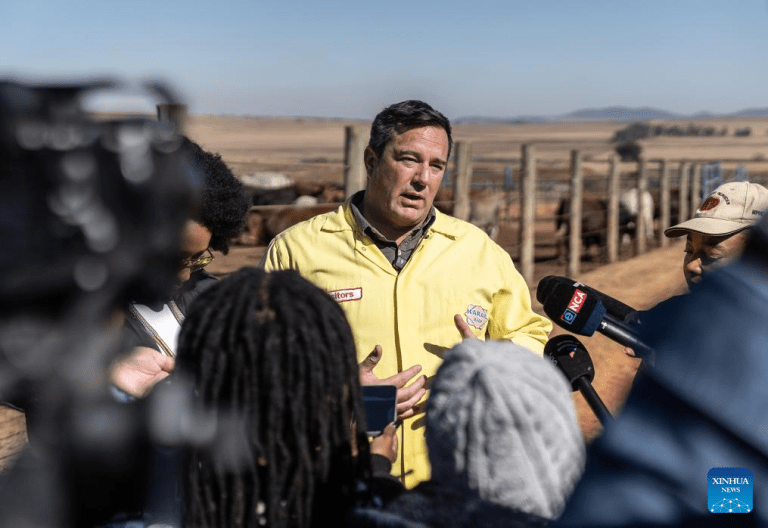
“What today means is that when we are able to manufacture at scale and at full production, this vaccine will ensure South Africa’s vaccine sovereignty when dealing with foot-and-mouth disease,” Agriculture Minister John Steenhuisen said during a media briefing.

Reuters

Ghana Curbs Offshore Investments to Protect Cedi, Boost Stability

0

Ghana’s Securities and Exchange Commission (SEC) has directed local fund managers to cut back on offshore investments as it seeks to protect the cedi currency and strengthen macroeconomic stability.

Ghana, a major gold and cocoa producer, is emerging from its most severe economic crisis in decades, and it is expected to complete a three-year IMF support programme in August.

The SEC said in a circular that, “with immediate effect, local fund managers will not be allowed to invest more than 20% of their funds under management in foreign securities”.

Funds that were previously allowed to invest all their money offshore will now be limited to 70%.

Any investment in foreign securities can only be made in countries that share information with Ghana’s SEC, the regulator said.

Reuters