Home Blog Page 52

NITDA Launches Digital Literacy Awareness Campaign

0

The  National Information Technology Development Agency (NITDA) has unveiled the Digital Literacy for All (DL4ALL) National Awareness Campaign in Kano and Bauchi States.

The initiative is expected to advance key elements of NITDA’s Strategic Roadmap and Action Plan (SRAP 2.0), particularly the pillars on fostering digital literacy and cultivating talents, promoting inclusive access to digital infrastructure and services, building strategic partnerships and strengthening digital trust.

In Kano, the campaign commenced at the Zoo Road takeoff point, through Tarauni market, and ended at Farm Center GSM market which attracted significant public interest.

The Bauchi rally began at Pali Suite in the New GRA, proceeded to Government House Street, the Emir’s Palace, Wunti Market, Muda Lawal Market, GSM Village, Central Market, and concluded at Kano Road.

Participants carried banners, engaged vendors and shoppers, and demonstrated how mobile applications can improve daily life and business operations.

With lively participation from NYSC corps members, creative influencers, entertainers and market communities, the campaign blended awareness with engagement, making digital literacy more accessible and relatable to everyday people

This nationwide outreach continues to drive Nigeria toward achieving 70% digital literacy by 2027 in line with President Bola Ahmed Tinubu’s Renewed Hope Agenda and reinforces NITDA’s commitment to building a digitally empowered, innovative and inclusive nation.


Lateefah Ibrahim

Nigeria and Benin Republic Deepen Diplomatic Ties

0

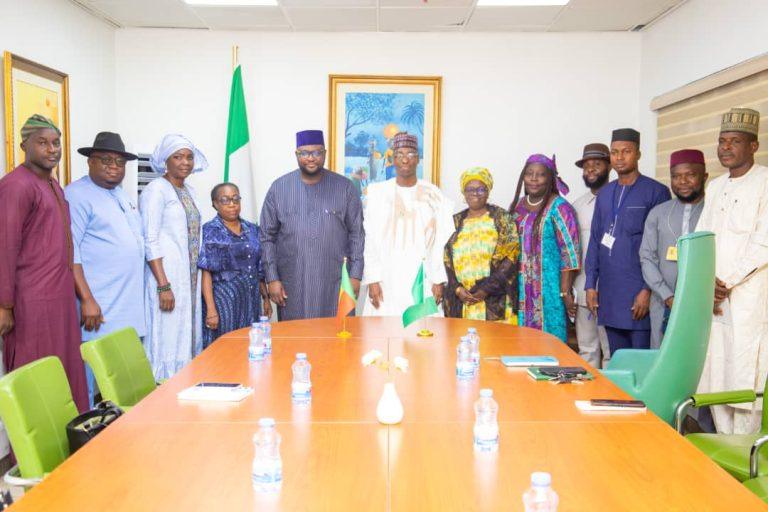
Nigeria and the Republic of Benin have renewed their longstanding ties and set the stage for deeper bilateral cooperation during a high-level diplomatic engagement between senior officials of both countries.

The meeting, held in Abuja, Nigeria, brought together the Permanent Secretary of Nigeria’s Ministry of Foreign Affairs, Ambassador Dunoma Umar Ahmed, and the Deputy Permanent Secretary of Benin’s Ministry of Foreign Affairs, Ambassador Fafinyidé Amour-Marie Ako, alongside senior diplomats and directors from both sides.

Ambassador Ako opened the dialogue by expressing Benin’s profound gratitude to Nigeria for its solidarity following the recent coup d’état in Benin.

He described Nigeria as a reliable neighbor whose leadership continues to shape peace and stability in West Africa.

Benin is truly fortunate to have Nigeria as a neighbour – a nation whose support and leadership strengthen peace and stability in our region,” he said.

He further outlined Benin’s plans to dispatch a delegation to Nigeria to operationalise a new framework for enhanced cooperation.

Central to this initiative is a proposed diplomatic exchange programme aimed at fostering stronger institutional ties between the foreign services of both countries.

The programme seeks to promote deeper understanding of foreign policy priorities, encourage real-time information-sharing, and build long-term professional networks among diplomats.

Read Also: Senate Approves Presidential Request to Deploy Troops To Republic of Benin

President Tinubu Commends Troops For Foiling Benin Coup

Nigeria Condemns Benin Coup Attempt

Benin also requested Nigeria’s support in developing its nascent diplomatic training centre, with a particular interest in partnering with the Nigerian Institute of International Affairs (NIIA).

According to Ambassador Ako, collaboration in areas such as bilateral and multilateral diplomacy, economic diplomacy, and negotiation skills would significantly strengthen Benin’s diplomatic capacity.

Similarly, Ambassador Ahmed reaffirmed Nigeria’s steadfast commitment to democracy, regional stability, and the enduring brotherhood shared with Benin.

He emphasised that both countries are bound by history, culture, and shared aspirations.

Anything that affects Benin affects Nigeria,” he stated, assuring that Nigeria stands ready to deepen cooperation across diplomacy, security, and economic development.

He welcomed the proposed exchange programme and instructed relevant departments to fast-track discussions on The memorandum of Understanding.

Ambassador Ahmed noted that the initiative aligns with Nigeria’s foreign policy focus under the “4Ds” Democracy, Development, Demography, and Diaspora, the central thrust of the present administration.

He added that Nigeria’s on going interstate knowledge-sharing programmes present opportunities that can be extended to strengthen cooperation with Benin.

The Permanent Secretary also encouraged collaboration with key institutions such as the Institute for Peace and Conflict Resolution (IPCR), highlighting leadership development, conflict prevention, and capacity-building as critical areas for mutual benefit.

He affirmed that Nigeria possess the expertise and human resources to support Benin in institutional strengthening and sectoral reforms.

Economic Cooperation

On economic cooperation, Ambassador Ahmed underscored the growing importance of intra-African trade amid evolving global economic dynamics.

He reaffirmed Nigeria’s commitment to advancing bilateral trade agreements and pledged to expedite Nigeria’s submission of stakeholders required for the joint MOU process.

Benin additionally requested Nigeria’s support in mobilising its business community for the 2026 Cultural and Business Forum scheduled to hold on 26 January in Abuja and 28 January in Lagos.

The engagement reaffirmed the determination of Nigeria and Benin to strengthen their deep-rooted relationship and to build a more strategic, institutionalised, and mutually beneficial partnership across diplomacy, trade, culture, and security.


Oyenike Oyeniyi

Kano Govt Bans Establishment of Parallel Shari’a Police

0

The Kano State Government in North West Nigeria has issued an Executive Order prohibiting the establishment and operation of any parallel Sharia Police known as Hisbah organisation in the state, declaring the so-called “Independent Hisbah Fisabilillahi” illegal.

Hisbah is an Islamic concept and institution for enjoining what is right and forbidding what is wrong essentially promoting public morality and accountability, often functioning as a religious/community police in some Muslim-majority areas.

In Kano state, Hisbah was established to carry out such functions. And of recent some certain individuals have planned to recruit a parallel organisation.

Governor Abba Kabir Yusuf signed the order citing constitutional powers vested in him under Section 5(2) of the 1999 Constitution and provisions of the Kano State Hisbah Board Law, which Recognizes only the Hisbah Board as the sole authority for Hisbah-related activities in the state.

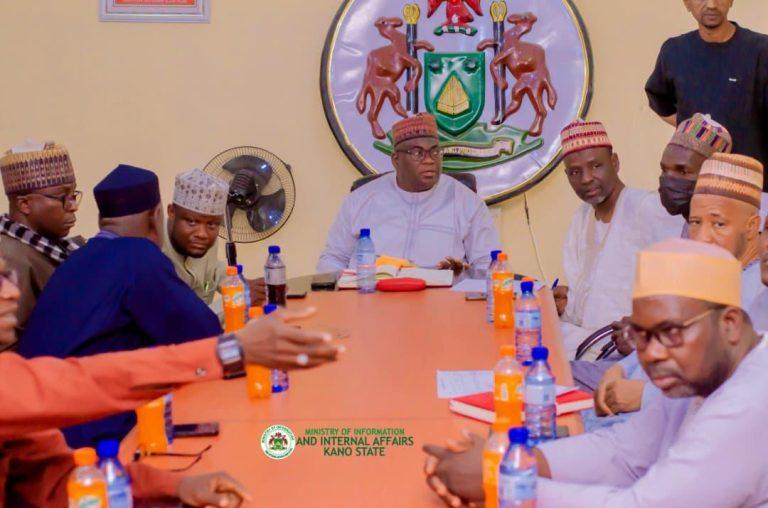
The Kano State Commissioner for Information and Internal Affairs Ibrahim Waiya read the executive Order on behalf of Governor Yusuf.

According to the Executive Order titled Kano State Government (Prohibition of the Independent Hisbah Fisabilillahi) Order 2025, the government expressed concern over reports that certain individuals and groups were recruiting and mobilising people into an unauthorised Hisbah outfit operating outside the law.

The governor described the move as an unlawful act capable of disturbing public peace and undermining the statutory responsibilities of the Kano State Hisbah Board.

The order explicitly bans any person or group from recruiting, assembling, training or deploying individuals to operate a parallel Hisbah body. It also forbids the establishment or promotion of any organisation under the name “Independent Hisbah Fisabilillahi” or any similar title.

Governor Yusuf reaffirmed that Kano State Hisbah Board remains the only legally recognised Hisbah institution in the state, warning that impersonation of its authority, uniform, symbols or activities is strictly prohibited.

The Executive Order urged the Nigeria Police Force, Department of State Services (DSS), Nigeria Security and Civil Defence Corps (NSCDC), and other security agencies to investigate the organisers and sponsors of the illegal group, halt all its activities, and take necessary measures to prevent any breach of peace.

Governor Yusuf also urged members of the public to desist from participating in or supporting the banned group which he said constitutes a violation of state laws.

Individuals already recruited into the outfit were advised to withdraw immediately and report to the nearest security formation, Hisbah office or local government authority.

The order further outlines penalties for violators, including prosecution for unlawful assembly, impersonation of lawful authorities, and establishment of an unauthorised enforcement group.

Governor Yusuf said, the Executive Order takes immediate effect and is to be gazetted by the state government.


GIFSEP Trains 100 in Sack Farming, Composting

0

The Global Initiative for Food Security and Ecosystem Preservation (GIFSEP) has trained 100 beneficiaries in Nasarawa State with practical skills aimed at improving food production, promoting environmental sustainability and creating income-generating opportunities.

The three-day intensive training on climate-smart agriculture was held in Agwan Doka 2 community, Karu Local Government Area (LGA) of the state.

Speaking during the training, the Programmes Manager at GIFSEP, Joseph Ibrahim, said the initiative was implemented under the Waste to Wealth project, supported by the United Nations Development Programme (UNDP) Global Environment Facility (GEF) Small Grants Programme.

Ibrahim explained that the programme focuses on sack farming, compost production and Black Soldier Fly (BSF) farming as sustainable approaches to agriculture and waste management.

He said the training forms part of the Waste to Wealth: Harnessing Biowaste Value for Enhancing Climate-Smart Agriculture and Sustainable Livelihoods project.

The programme trained 100 beneficiaries and is aimed at improving local food production, promoting environmental sustainability, and strengthening income-generating skills.

Over the three days, participants were trained in sack farming, compost production and Black Soldier Fly (BSF) farming, three climate-smart agricultural methods that help households grow food in small spaces, recycle organic waste and produce affordable, high-quality livestock feed.

The programme equipped many women and young people with practical skills to convert household waste into food and income, contributing to improved food security and sustainable living,” Ibrahim said.

Changing Farming Reality 

Some of the participants expressed gratitude for the training and the skills acquired.

One of the beneficiaries, Azenda Aondover, said the training changed his perception of farming.

“I used to think that farmers needed a large piece of land to farm, but the training has opened my eyes to growing more food using sacks in my compound.

“This newfound knowledge has given me the confidence to start my own sack farming project, even with the limited space I have in my backyard,” he said.

Aondover added that the practical sessions were very informative, covering topics such as the selection of appropriate planting media, stacking techniques for maximum space utilisation, and the cultivation of high-yield crops such as vegetables and tubers.

The focus was on ensuring that even those with limited space could achieve bountiful harvests right in their backyards. I was particularly impressed with the emphasis on using locally available materials to create a sustainable farming system.

“The training also covered compost production, which was a new concept to me. I learned how to transform organic kitchen waste, animal waste and garden waste into nutrient-rich organic fertiliser,” he added.

Another beneficiary, Halima Egbonu, also expressed appreciation for the training.

This training has given me the skills to grow my own food and earn a living from it.

“The hands-on approach to learning made it easy to understand and apply the techniques. I am excited to start producing my own compost and using it to improve the fertility of my sack farm,” she said.

The Waste to Wealth project aims to enhance climate-smart agriculture and promote sustainable livelihoods in the community, with the training described as a significant step towards achieving these objectives.

ECOWAS Ministers Review Security Threats, Economic Integration

0

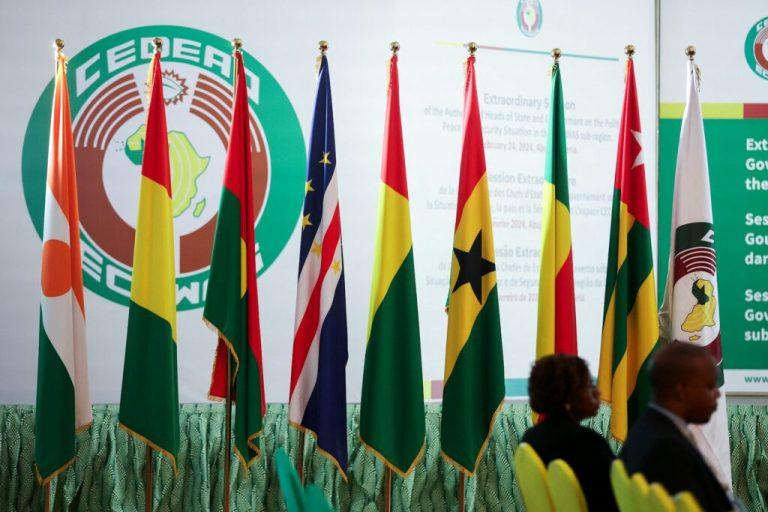
The 95th Ordinary Session of the ECOWAS Council of Ministers ended on Friday after several days of deliberations on security, political stability and economic integration across the region.

The meeting, from December 10 to 12 in Abuja, was chaired by Sierra Leone’s Minister of Foreign Affairs and International Cooperation, Timothy Kabba. They examined key challenges confronting West Africa.

The ministers discussed the spread of violent extremism in the Sahel, the circulation of small arms, transnational organised crime, maritime insecurity in the Gulf of Guinea and the continued occurrence of unconstitutional changes of government.

In his closing remarks, Kabba said that the deliberations also examined political developments in several member states and their implications for democratic governance, adding that Sierra Leone supported ECOWAS’s position that constitutional order, democracy and the rule of law should remain central to the bloc’s agenda.

During our discussions, we confronted with precision the key issues shaping our region’s trajectory.

“Among other issues, we examined the ongoing security threats that jeopardise stability in parts of our region, including violent extremism in the Sahel, the spread of small arms, transnational organised crime, maritime insecurity in the Gulf of Guinea, unconstitutional regime changes, economic integration and climate change.

“These threats, though challenging, are not impossible to overcome. Our discussions confirmed that the strength of ECOWAS lies in our unity, solidarity and ability to deploy both diplomatic and operational measures to safeguard and advance our shared peace and security framework.

“We also reflected deeply on the political situations in some member states and their impacts on democratic governance in the region. Sierra Leone remains fully committed to ECOWAS’s goal of a region where democracy, constitutional order and the rule of law are non-negotiable principles,” he said.

Read Also: ECOWAS to Stop Regional Flight Taxes

ECOWAS Reaffirms Zero Tolerance For Military Coups

ECOWAS Ministers Call for Commitment to Democracy

Economic Integration 

Economic integration featured prominently, with ministers stressing the need to accelerate regional initiatives such as the ECOWAS single currency, free movement of persons and the Customs Union.

Kabba noted that global economic uncertainty had made it more urgent for West African states to boost intra-regional trade and reduce structural vulnerabilities.

Humanitarian and climate-related challenges were also discussed. Ministers examined issues of food insecurity, displacement, health emergencies and climate shocks, agreeing that these required coordinated regional responses, including stronger early-warning systems and improved preparedness for vulnerable communities.

Our discussions on economic integration were equally inspiring. We emphasised the need to accelerate the implementation of key regional initiatives, including the ECOWAS single currency, free movement protocols and the Customs Union.

“In a global environment characterised by economic uncertainties, our collective resilience relies on reducing structural vulnerabilities, increasing intra-regional trade and promoting a competitive and integrated West African market.

“Our discussions on humanitarian issues and climate-related vulnerabilities also revealed an important truth: the challenges in our region are interconnected. Whether addressing food insecurity, displacement, epidemics or natural disasters, we must adopt a coordinated and proactive approach,” Kabba said.

At the end of the session, Kabba said that the council had developed recommendations to be submitted to the ECOWAS Authority of Heads of State and Government.

It is now our duty to maintain the momentum we have built here by implementing agreed decisions, coordinating among our national and regional institutions and keeping communication open as we face new challenges,” he added.


APA/Oyenike Oyeniyi 

Air Chief Reaffirms NAF’s Commitment to Enhanced Operations

0

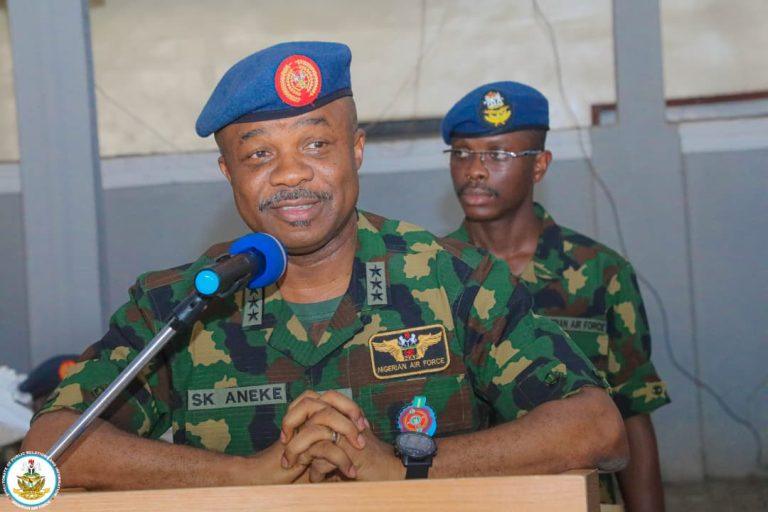
The Chief of the Air Staff, Air Marshal Sunday Aneke, has reiterated the Nigerian Air Force’s renewed focus on air power readiness, personnel welfare, and smarter operational strategies during his maiden operational visit to the Tactical Air Command and Collocated Units in Makurdi.

The visit forms part of his ongoing engagement with frontline units across the country to assess operational conditions, strengthen command presence, and reinforce expectations for enhanced mission delivery.

Addressing officers, airmen, airwomen, and civilian staff during a durbar, Air Marshal Aneke emphasised that his newly unveiled Command Philosophy, “to enhance and sustain a highly motivated, professional and mission-ready force capable of delivering decisive air power effects in synergy with surface forces for the realisation of national security objectives”, sets a renewed strategic direction for the Service.

He explained that while the philosophy may appear concise, it encapsulates the mindset required to confront the nation’s evolving security landscape.

“Your contributions to Operation WHIRL STROKE and our other operational theatres continue to demonstrate that Tactical Air Command is indispensable to our mission. Your courage, professionalism, and dedication inspire confidence across the country.”Air force

While commending personnel for their invaluable efforts, the CAS cautioned that the current security environment demands heightened vigilance and readiness.

He urged commanders to intensify operations against banditry within the Area of Responsibility while sustaining essential support to ongoing operations nationwide.

This is not the time to slow down,” he stated. “To retain the initiative in today’s complex security space, we must ensure the highest levels of aircraft serviceability, weapons readiness, and personnel proficiency. The Nigerian people see your sacrifices, and they depend on us to remain effective and mission-ready.”

The CAS also reaffirmed his commitment to personnel welfare, noting that operational excellence is inseparable from a motivated and well-supported force.

He reiterated his policy of “Welfare for Enhanced Warfare,” assuring personnel that Headquarters NAF will continue to prioritise prompt payment of allowances, improved living and working conditions, and robust administrative and medical systems.

He stressed the importance of open communication, stating: “I want to hear your concerns directly because your welfare impacts our fighting power. While we cannot address every challenge at once, I assure you that we will apply a structured and prioritised approach to resolving the most pressing issues.”

Speaking on operational directives, Air Marshal Aneke highlighted the NAF’s shift toward intelligence-driven, technology-supported operations, underpinned by a strengthened safety culture.

He noted that enhanced operational efficiency would be achieved through innovation and the effective use of newly acquired platforms.

“The Federal Government has shown great confidence in us through unprecedented investments in modern aircraft, armaments, and training programmes,” he said.

“It is our duty to justify that trust by delivering measurable results with discipline, professionalism, and a commitment to excellence across all levels of the Service.”

In closing, the CAS reaffirmed his commitment to ensuring a safe, supportive, and efficient environment for all personnel, noting that welfare, career development, and operational effectiveness will remain central to his leadership.

He urged officers and airmen to remain loyal, vigilant, and dedicated to the Service’s core ideals.

Responding, the Air Officer Commanding Tactical Air Command, Air Vice Marshal Patrick Obeya, thanked the CAS for his clear guidance and pledged TAC’s full alignment with his vision, assuring that TAC personnel remain motivated and committed to delivering decisive air power across all theatres.

The CAS commended their dedication, adding that “Together, we will build a force that is agile, innovative, and capable of delivering air power effects wherever the nation requires.”

NYSC Expands SAED Training Through Digital Transformation

The National Youth Service Corps (NYSC) is overhauling its Skill Acquisition and Entrepreneurship Development (SAED) programme through the standardisation of its curriculum to deliver deeper and more sustainable impact for Corps Members.

The NYSC Director General, Brigadier General Olakunle Nafiu, disclosed this in his address at the 2025 second SAED stakeholders’ summit held in Abuja.

The summit was themed “Empowering a Generation: Building Competence for the Future Workplace and Enterprise Through Impactful Partnerships.”

Nafiu said the Scheme has embarked on a comprehensive digital transformation of the SAED programme as a pathway to combating youth unemployment.

He explained that the new curriculum incorporates contemporary skills such as artificial intelligence and mobile application development, among others.

He further disclosed that Corps Members are being mainstreamed into the Federal Government’s 3 Million Technical Talent (3MTT) programme, as well as global remote work opportunities through initiatives including Outsource to Nigeria, NYSC jobs.ng and the SAED SME toolkit.

Describing SAED as a pillar of youth empowerment in Nigeria, the Director General said more than 3.18 million Corps Members have completed entrepreneurship and workplace readiness training since 2012, with over 30,000 businesses formally registered with the Corporate Affairs Commission (CAC).

“They are employing others and contributing to the Gross Domestic Product while demonstrating that our youths are capable change agents,” he staed.

Nafiu stressed the need to place greater emphasis on competence, mastery of SAED skills and digital fluency to make Corps Members highly competitive in a rapidly evolving global economy.

MSME Loan Fund

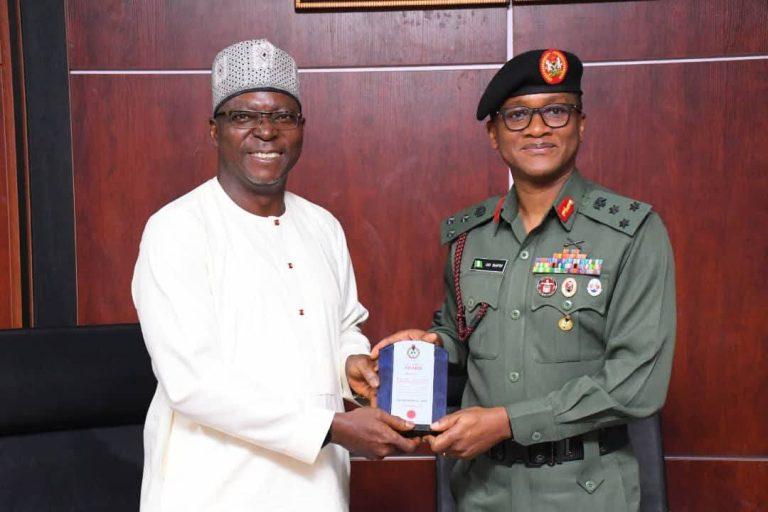
He also described the ₦2 billion MSME loan fund for Corps entrepreneurs recently launched in partnership with the Bank of Industry (BoI), as a landmark achievement in the drive to strengthen entrepreneurship development.

The NYSC Director General hailed the founding fathers of the Scheme for their foresight in anticipating the need for entrepreneurial training, noting that it was captured in one of the core objectives of the NYSC.

“The unemployment rate as at 1973 was put at 1.9%, but today it is about 6.9%. Nigeria has many young people who lack employability skills.

“We thank our partners and stakeholders in the SAED programme for collaborating with the NYSC to mitigate the scourge of youth unemployment in Nigeria.

“We must be committed to empowering a generation whose innovation and enterprise will shape the country’s future into prosperity.

Equipping our young people is not just a programme, it is a national assignment and NYSC is fully committed to it,” he said.

Nafiu urged participants at the summit to renew strategies aimed at equipping Corps Members with the necessary skills, creativity and confidence required to thrive in the contemporary world.

Earlier, the Director of SAED, Kehinde Aremu-Cole, expressed appreciation to stakeholders for driving transformation across multiple sectors, including technology and digital skills, creative industries, entrepreneurship development, financial empowerment and agricultural revitalisation.

Aremu-Cole described the trainings, grants and mentorship sessions previously delivered by partners as laudable, noting that they are shaping Nigeria’s future through Corps Members.

He called on stakeholders to create special-purpose funding pathways that would help translate skills and aspirations into productive enterprises.

Together, we are not just running a programme: we are building a generation.

“Let us keep empowering, and let us keep believing in the potentials of our young people,” he said.

Minister Reaffirms Commitment to Youth Development

0

Nigeria’s Minister for Youth Development, Comrade Olawande Ayodele, has reaffirmed his commitment to promoting integrity-driven leadership and expanding opportunities for young people across the country.

The Minister who was represented by the Director General of the Committee of Youth on Mobilisation and Sensitisation (CYMS), Chief Obinna Nwaka, delivered the message at the 30th Anniversary celebration of the Integrity Group held at the MUSON Centre, Lagos.

He emphasised that integrity remains a cornerstone for national transformation, urging young Nigerians to play active roles in leadership and community-building.

The Minister encouraged attendees to participate in key Ministry programmes such as the National Initiative for Youth Advancement (NiYA), the Community Engagement and Youth Empowerment Initiative (CEYEI), the Youth Development and Participation Agenda for Transformation (YDPAT), and the Youth Help Desk.

READ ALSONigeria Reaffirms Commitment To Youth Empowerment

The event also featured goodwill remarks from former Vice President, Professor Yemi Osinbajo who commended the Integrity Group for its enduring impact over the past three decades.

The ceremony was also attended by,  Mr. Omonoba Mohammed, Engr. Gift Ogar, and Mazi Obinna Achionye of the Ohaneze Ndi Igbo Youth Council.

A CYMS delegation comprising Ms. Faith Ann, Ngozi Kekewaru, Ogechi Akaedu, Mr. Lukmon Animashaun, and Blessing Daniels was also in attendance.

The anniversary celebration underscored the Integrity Group’s 30 years of service and provided a platform to inspire Nigerian youths toward principled leadership, civic engagement, and strengthened participation in national development.


Kano Records 87.6% Increase in Health Insurance Coverage

0

Kano State Contributory Healthcare Management Agency (KSCHMA) says it has recorded a major expansion in health insurance coverage.

The agency says its enrolment has grown from  497,262 lives in 2023 to 933,014 in 2025, an increase of 87.6 per cent within two years.

The Executive Secretary of the agency, Dr Rahila Muktar, disclosed this at a press briefing to mark the 2025 Universal Health Coverage (UHC) Day.

Muktar said the achievement showed the state government’s commitment to providing affordable and quality healthcare services to the residents through the Kano State Contributory Health Scheme.

She said the 2025 UHC theme: “Unaffordable Health Costs: We Are Sick of It!,” resonated strongly with the agency’s mandate to protect families from catastrophic health spending.

“I stand before you not just to commemorate this day, but to present a robust account of progress, hope and tangible results achieved under the visionary leadership of Gov. Abba Yusuf and the guidance of the Commissioner for Health, Dr Abubakar Labaran,” she said.

According to her, KSCHMA was established by Law No. 3 of 2016 to provide a sustainable healthcare financing mechanism through pooled contributions, donations and taxes to meet residents’ healthcare needs as defined by the benefit package.

Scheme’s Objectives 

explained that the scheme’s objectives include ensuring access to affordable, high-quality healthcare, promoting equity, controlling healthcare inflation, maintaining service standards and improving efficiency in service delivery.

Muktar said since assuming office in June 2023, the agency had prioritised aggressive enrolment expansion and financial protection for residents in line with the state’s social welfare agenda.

“Our mandate has been clear: to expand access to quality healthcare and make healthcare a right, not a privilege. Universal Health Coverage remains the umbrella goal for global health development, and inclusion is at its core,” she said.

Muktar said the state-funded Vulnerable Group Programme recorded a 935 per cent increase, rising from 4,903 to 50,745 beneficiaries, with support from the Kano State Health Trust Fund (KHETFUND).

“This ensures that pregnant women, children under five, persons living with disabilities and those with chronic conditions such as sickle cell disease and HIV can access care with dignity,” she said.

She added that enrolment under the Basic Health Care Provision Fund (BHCPF) grew by 215 per cent, from 108,664 to 342,515, strengthening access to primary healthcare services.

In the formal sector, the agency recorded a 40 per cent increase, bringing enrolment to 537,914 individuals, while the informal sector witnessed a growth of over 1,143 per cent, from 148 to 1,840 enrollees.

Muktar said the expanded coverage currently supports 145,723 pregnant women, 124,802 children under five, 46,512 persons living with disabilities, 31,003 persons with chronic medical conditions, 29,473 people living with HIV, 3,609 inmates in correctional centres and 8,053 others with conditions such as fistula, hypertension and spinal cord injuries.

Collaboration

She said the agency had strengthened collaboration with key stakeholders, including the State Primary Healthcare Management Board, Hospitals Management Board, Private Institutions Management Agency, DMCSA, Kano State Agency for the Control of AIDS, Kano Centre for Disease Control and Prevention, as well as development partners.

The executive secretary said KSCHMA was also targeting 39,000 indigent sickle cell patients, some of whom were already accessing care at specialist hospitals under the Abba Care Programme.

According to hier, the agency had introduced a Zakat and Waqf Programme to support vulnerable groups in line with Islamic ethical financing principles, alongside expanded healthcare coverage for inmates under the state’s vulnerable programme.

Muktar said the agency had upgraded its call centre to improve response time to enrollees’ complaints and digitised service utilisation at primary healthcare centres to enhance transparency, accountability and data-driven decision-making.

She also said more than 1,000 healthcare providers across 614 empanelled facilities had been trained, while a phone-based feedback survey was piloted among vulnerable beneficiaries in selected local government areas under the Maternal and Neonatal Reduction Innovation and Initiatives (MAMII) project.

According to her, activities to mark the 2025 UHC Day in Kano include the distribution of items to vulnerable groups and the launch of informal sector enrolment across the state.


NAN



President Tinubu Mourns Top Nigerian Diplomat, James Sokoya

0

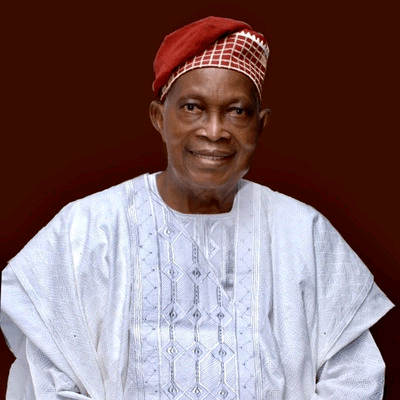
President Bola Tinubu has paid tribute to the late Ambassador, James Sokoya, describing him as a distinguished career diplomat, patriot, and statesman whose life and service left an enduring mark on Nigeria’s diplomatic history.

In a tribute written by the President on the demise of the Diplomat, the President mourned the passing of Ambassador Sokoya at the age of 94, while celebrating his remarkable life, legacy, and invaluable contributions to nation-building.

President Tinubu said Ambassador Sokoya served Nigeria with uncommon dedication, dignity, and integrity, noting that his diplomatic career was guided by intellect, professionalism, and belief in dialogue as a tool for building trust and bridging divides on the global stage.

President Tinubu also recalled Ambassador Sokoya’s pivotal role in Nigeria’s entry into the Organisation of Petroleum Exporting Countries (OPEC) and the establishment of the Nigerian Embassy in Vienna, Austria.

The President described the late envoy as a man of profound character, humble, principled, and compassionate, and as a man who mentored younger diplomats and exemplified the finest values of public service.

Sokoya served as Deputy High Commissioner in London and later as Nigeria’s first resident High Commissioner to Jamaica, with concurrent accreditation to Cuba, Haiti, the Dominican Republic, and the Bahamas.

Born in Ijebu Igbo, Ogun State, the late diplomat began his public service career in the Old Western Region before Nigeria’s independence in 1960, first as an educator in primary and secondary schools and teacher training colleges across Abeokuta, Ibadan, and Ijebu-Ode.

He later studied Geography at the University of Ibadan before serving in several ministries of the Western Nigerian government, including the Premier’s Office.

In 1962, Ambassador Sokoya joined the Federal Ministry of Foreign Affairs, where he went on to hold several strategic positions at home and abroad.

His postings included Head of the Asia Department; Chief of Protocol under former Head of State, General Yakubu Gowon; service at Nigeria’s Permanent Mission to the United Nations in New York; and diplomatic assignments in Mali and Algeria.

On behalf of Nigerians, President Tinubu expressed gratitude for Ambassador Sokoya’s years of devoted service, honouring his memory and the ideals he championed.

He extended heartfelt condolences to the diplomat’s family, friends, and associates, praying that his legacy would continue to inspire a more peaceful, just, and united Nigeria.