Home Blog Page 711

EU Backs Nigeria’s Strategy To Strengthen National Security

0

The European Union (EU) has reaffirmed its commitment to stand with Nigeria in tackling insurgency by supporting the country’s updated Policy Framework and National Action Plan for Preventing and Countering Violence.

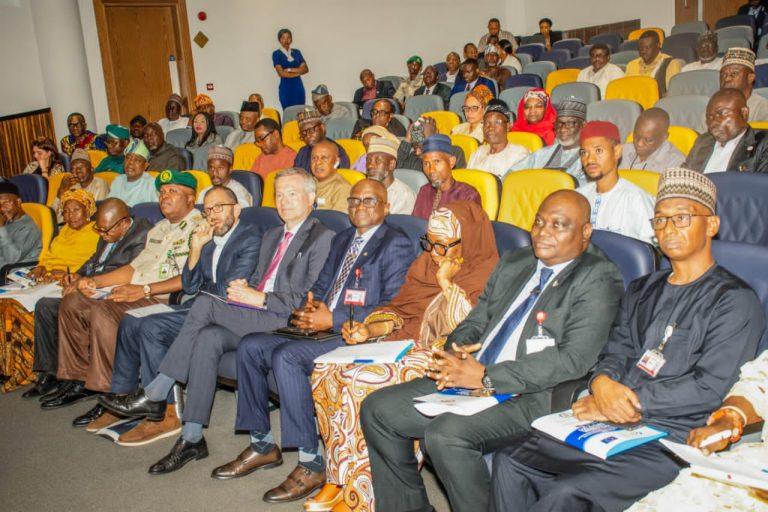
This was disclosed at the validation workshop, convened by the Office of the National Security Adviser in Abuja, which brought together ministries, security agencies, civil society, academics, faith leaders, and international partners.

According to the EU Ambassador to Nigeria, Gautier Mignot, the revised framework marks a critical step in tackling the drivers of violence while safeguarding citizens’ rights.

The envoy underlined the importance of implementing the strategy at the state and community levels, ensuring rural areas are not left behind, and prioritising youth empowerment programmes to undercut extremist recruitment. 

To conquer the hearts and minds of the population, protecting and respecting fundamental rights is key,” Mignot warned.

Welcoming participants on behalf of the National Security Adviser, Nuhu Ribadu, National Coordinator of the National Counter Terrorism Centre, said the review was more than a technical process; it was the endorsement of a shared vision. 

“This is not just about a document. It is about anchoring prevention and resilience as central pillars of Nigeria’s national strategy,” he declared.

He highlighted that since the first framework was launched in 2017, Nigeria has expanded non-kinetic approaches, from early-warning systems and counter-narratives to community engagement and youth empowerment. The updated plan now integrates gender and youth perspectives, human rights, and climate-related risks.

With the EU’s STRIVE Global programme and Hedayah providing technical support, Nigeria’s PCVE framework is expected to serve as a blueprint for coordinating government, civil society, and international responses to extremist threats.

NHIA Launches Neonatal Health Services in Kano

0

The National Health Insurance Authority (NHIA) has launched the neonatal component of its Comprehensive Emergency Obstetrics and Neonatal Care (CEmONC) Programme in Kano State, aimed at expanding quality healthcare access for vulnerable populations.

The initiative was formally inaugurated with the signing of a Memorandum of Understanding (MoU) between NHIA and the Aminu Kano Teaching Hospital (AKTH), under the supervision of the Kano State Commissioner for Health, Dr Abubakar Labaran Yusuf.

The Director General of NHIA, Dr Kelechi Ohiri, represented by Dr Sikiru Salaudeen, Director of Informal Sector Department, disclosed that the pilot phase of the neonatal programme is already running in four Lagos facilities, while four hospitals in Kano, including AKTH, will also administer the scheme.

Dr Salaudeen explained that over 200 facilities nationwide are already implementing the maternal component of the programme, treating more than 14,000 women, 40 per cent of them from Kano.

He emphasised that, “The neonatal component builds on the successes of the maternal arm, targeting conditions such as birth asphyxia, neonatal sepsis, neonatal jaundice, and acute surgical emergencies.

“To ensure transparency, independent external verifiers have been engaged to provide oversight.”

Speaking on behalf of AKTH, Chairman of the Medical Advisory Committee, Prof. Abdurahman Suwaid, revealed that 972 women had already benefited from the maternal component at the hospital, making it the largest NHIA beneficiary-holding facility in Nigeria.

The MoU also covers three other Kano-based facilities: Murtala Mohammed Specialist Hospital, Mohammed Abdullahi Wase Specialist Hospital, and Khalifah Shiek Isiyaka Rabiu Paediatric Hospital.

Isak Scores First Liverpool Goal In League Cup Win

0

Alexander Isak scored his first Liverpool goal to inspire a 2-1 win against Southampton in the League Cup third round, while Chelsea survived a scare to beat third-tier Lincoln on Tuesday.

Isak was making his third appearance for Liverpool since his British record £125 million ($169 million) move from Newcastle on transfer deadline day.

The 26-year-old had drawn a blank in his 58-minute debut appearance against Atletico Madrid and also failed to net after coming off the bench for the last 23 minutes of Saturday’s Merseyside derby win over Everton.

But Isak got off the mark in the 43nd minute as Southampton goalkeeper Alex McCarthy tried a short pass that was intercepted by Federico Chiesa, who picked out the Sweden striker to fire home.

It was a belated birthday present for Isak, who turned 26 on Sunday.

Isak, who had scored for Newcastle in their League Cup final win against Liverpool last season, was taken off at half-time as he builds up his fitness after missing pre-season training while his transfer was being negotiated.

Shea Charles equalised for the Championship side in the 76th minute with a close-range finish after a wayward header from Liverpool’s Wataru Endo.

Arne Slot had made 11 changes from the Everton game but substitute Hugo Ekitike saved Liverpool’s understudies from a penalty shoot-out when he finished off Chiesa’s pass in the 85th minute.

The French striker took off his shirt to celebrate and was dismissed for a second bookable offence.

Liverpool have made a perfect start to the season, with seven successive wins, including five in the Premier League to take them to the top of the table and one in the Champions League against Atletico.


Lessons from China’s CPC for Nigerian Political Parties

0

The Communist Party of China (CPC) is the world’s largest political party with over 95 million members and has played a central role in China’s transformation since its founding in 1921.

From humble beginnings, it has guided China into becoming one of the leading economies of the world, demonstrating how discipline, long-term planning, and people-centred governance can serve as tools for national development.

Nigeria, Africa’s largest democracy, also has vibrant political parties such as the Peoples Democratic Party (PDP) and the All Progressives Congress (APC). Though younger and operating in a multi-party environment, Nigerian political parties are also central to the country’s democratic journey. As Nigeria continues to strengthen its democracy, there are valuable insights it can draw from the CPC experience while also offering its own unique democratic contributions to global governance.

Shared Origins and the Power of Vision

Both China and Nigeria share histories shaped by struggles for unity, resilience, and the pursuit of national development. The CPC was founded in 1921 at a time when China was fragmented, while Nigeria’s modern political parties emerged in the late 20th century to consolidate democracy after years of military rule.

What both contexts reveal is the importance of strong, visionary leadership and collective purpose. Just as the CPC anchored its growth on long-term discipline and ideological clarity, Nigeria’s parties continue to evolve as pillars of democratic participation, inclusion, and nation-building.

People-Centered Governance

A defining strength of the CPC is its commitment to people-centred governance, placing citizens at the heart of decision-making. This principle resonates with Nigeria’s democratic ideals, where political parties are expected to represent the will of the people and address their needs.

Both China and Nigeria can share experiences on how governance can remain closer to the grassroots, ensuring policies address the aspirations of ordinary citizens. In this way, parties in both countries can serve as engines of social stability and development.

Accountability and Discipline

The CPC has built systems of accountability aimed at ensuring discipline within its ranks and curbing excesses. Nigeria, on the other hand, continues to strengthen its democratic institutions and anti-corruption frameworks to improve public trust. Both systems highlight a shared global challenge: the need for integrity and transparency in governance.

By exchanging best practices, Nigeria and China can jointly demonstrate how discipline and accountability in political leadership can enhance credibility and foster sustainable development.

Long-Term Planning and Development

China’s five-year development plans have been central to its modernisation drive. Similarly, Nigeria has developed national plans and policies aimed at diversifying its economy and achieving inclusive growth. Both nations recognise that sustained progress requires more than short-term victories; it demands vision, continuity, and collective ownership of national goals.

This shared emphasis on planning offers grounds for greater cooperation, particularly in areas such as industrialisation, education, infrastructure, and poverty reduction.

Global Cooperation and Shared Future

While China operates under a one-party socialist system and Nigeria under a multiparty democracy, both recognise the importance of political stability, unity, and people-centred leadership. Their different systems provide complementary lessons for the world: the CPC’s discipline and continuity on one hand, and Nigeria’s openness and democratic participation on the other.

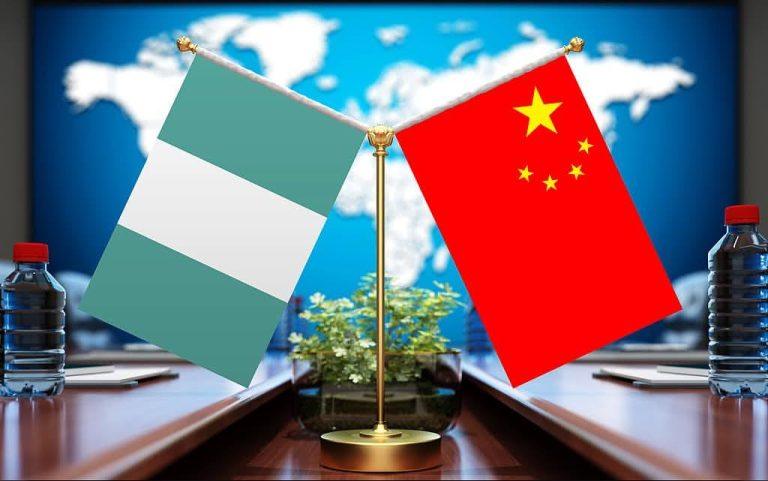
Together, China and Nigeria, two of the world’s most populous nations, can chart a path of mutual learning. Strengthening party systems, promoting people-first governance, and pursuing long-term development are not just national goals but global responsibilities in a world seeking peace, prosperity, and equity.

The journey of the CPC and Nigeria’s political parties highlights that there is no single model of governance. What matters is discipline, accountability, vision, and the commitment to place people at the centre of development.

As China and Nigeria continue to deepen bilateral cooperation, the lessons from their political experiences can inspire not only their citizens but also the global community. Both nations, working together, can demonstrate how strong institutions and people-driven politics can shape a better future for humanity.

China’s Journey to Superpower: Lessons for Africa and the World

0

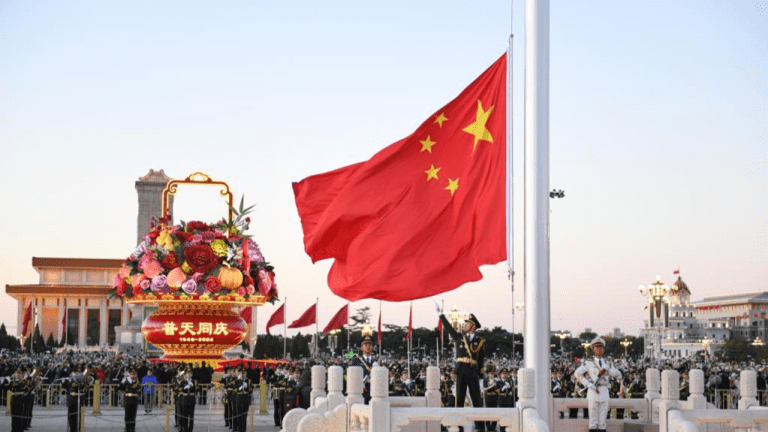
As China marks the 75th anniversary of the founding of the People’s Republic, its remarkable transformation from widespread poverty to global economic power offers valuable lessons for other nations. It is a story of vision, resilience, and long-term planning that has reshaped not only China but also global development.

From Poverty to Progress

In 1949, China was one of the poorest nations on earth, with a predominantly rural population living under subsistence conditions. Over the decades, through determined leadership and national mobilisation, it pursued industrialisation, infrastructure development, and human capital investment.

A major turning point came with reforms that opened up the economy, encouraged innovation, and linked national growth to poverty reduction. This combination created one of the most rapid economic and social transformations in modern history.

Targeted Poverty Alleviation

Perhaps China’s most outstanding achievement is the eradication of extreme poverty by 2020. Central to this was a targeted poverty alleviation strategy, which identified households in need, analysed their specific challenges, and tailored solutions accordingly. Interventions ranged from agricultural support and skills training to relocation and infrastructure expansion.

This approach ensured precision, accountability, and measurable impact. By 2020, nearly 100 million people were lifted out of poverty, an achievement recognised globally as unprecedented in scale.

Sustaining Growth Through Rural Revitalisation

China recognised that poverty eradication was only the first step. To make progress irreversible, it launched a rural revitalisation programme aimed at building sustainable livelihoods. This included better education, healthcare, modernised agriculture, and digital access for rural areas. The focus was not only on economic growth but also on long-term community development and social stability.

Technology and Innovation as Drivers

China’s investment in science, technology, and education has been central to its rise. By prioritising innovation, whether in high-speed rail, digital infrastructure, renewable energy, or artificial intelligence, it has built industries that support both national competitiveness and social development. Technology has also been used to close gaps in healthcare, education, and rural connectivity.

Key Lessons for Africa

Long-Term Planning: Development requires a clear, multi-decade vision consistently implemented.

Data-Driven Poverty Reduction: Targeted interventions are more effective than broad programmes.

Infrastructure as a Foundation: Roads, power, water, and digital access are essential for growth.

Agricultural Transformation: Empowering farmers with land, technology, and markets boosts rural incomes.

Special Economic Zones: Investor-friendly hubs can drive industrialisation and jobs.

Education and Skills: Investment in STEM, vocational training, and research builds competitiveness.

Governance and Accountability: Strong institutions ensure policies translate into results.

From Poverty Relief to Prosperity: Development must build resilient communities for future generations.

A Universal Story of Transformation

China’s journey shows that development is not accidental. It is the product of deliberate planning, disciplined execution, and people-centred policies. For Africa and the wider world, the lesson is clear: transformation is possible when vision is matched with commitment, innovation, and inclusive growth.

Nigeria Poised to Benefit from China’s Global Governance Push

0

As global cooperation deepens and international institutions work to strengthen credibility, China’s Global Governance Initiative (GGI) has emerged as a bold attempt to reshape international cooperation.

Unveiled by President Xi Jinping during the 25th Heads of State Council Summit of the Shanghai Cooperation Organisation (SCO) in Tianjin, the GGI promises a more equitable, inclusive, and action-oriented framework for global governance.

The initiative champions sovereign equality, adherence to international law, multilateralism, and a people-centred approach for tangible results over political intentions.

The initiative moves to reinforce the United Nations Charter and seeks to empower every nation, particularly those in the Global South.

In the midst of this, Nigeria seeks to leverage the GGI in areas of mutual benefit, especially in the face of global headwinds.

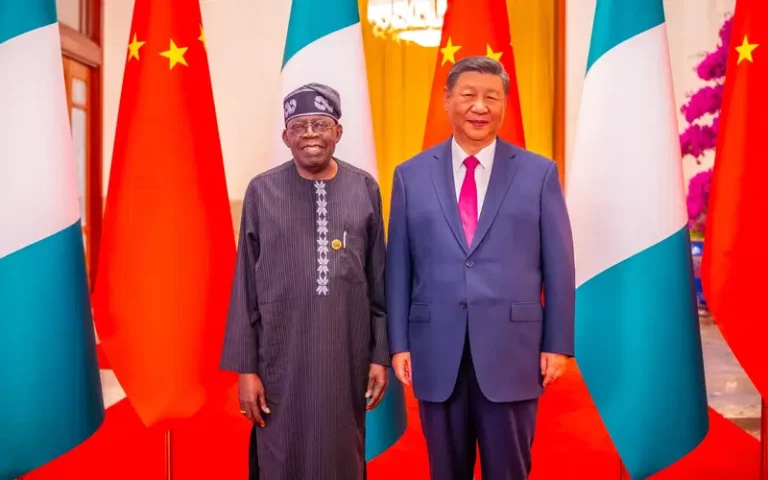
To promote Nigeria’s interest, President Bola Ahmed Tinubu led a high-profile participation at the 9th Forum on China-Africa Cooperation (FOCAC) in Beijing.

This signalled that Nigeria and China elevated their bilateral relationship to a Comprehensive Strategic Partnership. Analysts are of the view that this is a diplomatic turning point, aligning Nigeria with one of the world’s most consequential global governance proposals.


Foreign Minister Ambassador Yusuf Tuggar, while speaking at a recent forum organised by the Nigerian Institute of International Affairs (NIIA), stressed the importance of strategic autonomy in a multipolar world.

“Nigeria’s foreign policy must be driven by shared interests and mutual purpose. Our strength lies in flexibility, not binary alignments, Tuggar stated.

He highlighted Nigeria’s population size, economic potential, and contributions to global peacekeeping as factors justifying its elevated status on the world stage.

Experts say Nigeria’s bid for a permanent seat on the United Nations Security Council now seems increasingly feasible under the reformist tone of the GGI.

Economically, the GGI holds promise for Nigeria’s long-standing development goals. China’s commitment to infrastructure, healthcare, and agricultural modernisation aligns with Nigeria’s current needs. Through GGI-aligned projects, Nigeria stands to benefit from increased access to technology transfers, climate-friendly financing, and capacity-building partnerships.

Director of the Chinese Centre in Nigeria, Charles Onunaiju, called the GGI a necessary departure from outdated global norms. “Global governance must no longer be based on who holds the most power, the GGI responds to Africa’s call for peace, development, and cooperation rooted in equity,” he said.

Experts believe that if Nigeria leverages the initiative strategically, it could help in boosting infrastructure development, particularly in transportation and energy, expand healthcare systems through bilateral cooperation and Chinese medical missions and help modernise agricultural practices, supporting food security and rural employment.

By aligning with the GGI, Nigeria and other African nations may foster a stronger collective voice in international institutions, develop new frameworks for South-South cooperation, and provide alternatives to traditional Western development models.

While critics may view the GGI as a strategic extension of China’s geopolitical influence, its principles resonate with growing calls for fairness, representation, and action in global affairs.

For Nigeria, the initiative offers more than just diplomatic alignment; it represents a platform to reshape its global identity, deepen developmental ties, and assert its strategic importance in a rapidly changing world.

As the world navigates an increasingly fragmented geopolitical landscape, Nigeria’s engagement with the Global Governance Initiative may prove to be a pivotal step in redefining not just its foreign policy but also its role in the future of global governance.

Kaduna Media Professionals Undergo Training On Conflict Reporting

0

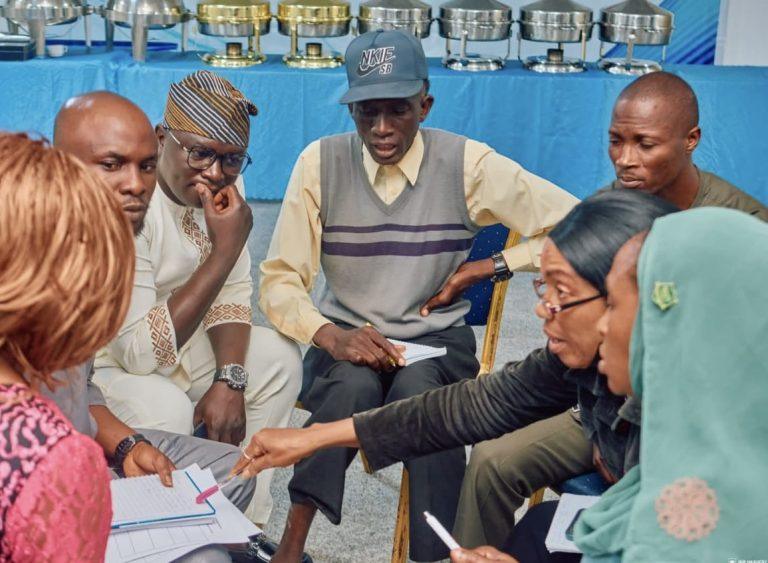
Kaduna media professionals have begun a five-day training on conflict-sensitive reporting, organised by the LIDA Network with support from GIZ under the PEACECORE II Project.

The initiative is designed to strengthen journalists’ capacity in conflict resolution and addressing livelihood challenges within the region.

The training places particular emphasis on tackling “Information Disorder and Hate Speech,” providing participants with strategies to identify and counter misinformation that threatens peace and security.

The central objective is to empower journalists to serve as proactive advocates for conflict resolution and social stability through responsible and conflict-sensitive reporting.

In her opening remarks, Head of the Project, Myriam Wedraogo underlined the pivotal influence of the media in shaping public discourse.

Wedraogo said; “Journalists play a critical role in shaping narratives, and their storytelling can either exacerbate tensions or promote reconciliation in fragile societies.”

She further outlined the training’s goal of equipping practitioners with practical skills in conflict-sensitive reporting, effective peace messaging, and countering misinformation.

Facilitator Silas Jonathan highlighted the risks posed by unchecked information flow.

“Information disorder is dangerous to peacebuilding,” he warned, urging journalists to prioritise truth, accuracy, and inclusivity in news reportage.

Jonathan praised participants’ engagement and stressed the importance of understanding how narratives influence society.

According to him, “just as malicious actors use digital tools to spread problems, the media can use them to counter negative forces and promote positivity.”

Jonathan also encouraged journalists to leverage digital resources such as Google Trends to shift narratives and combat falsehoods in real time.

The Communications Adviser for the project, Oladipo Olunshola provided an overview of the PEACECORE II initiative (2023–2027).

He explained that “its priority areas include conflict transformation, economic empowerment, and environmental sustainability, with gender transformation approaches serving as a core foundation.”

The training represents a significant step towards fostering peaceful dialogue and mutual understanding by enhancing the role of the media in peacebuilding efforts in Kaduna and beyond.

Akwa Ibom Celebrates 38 Years of Peace, Progress

0

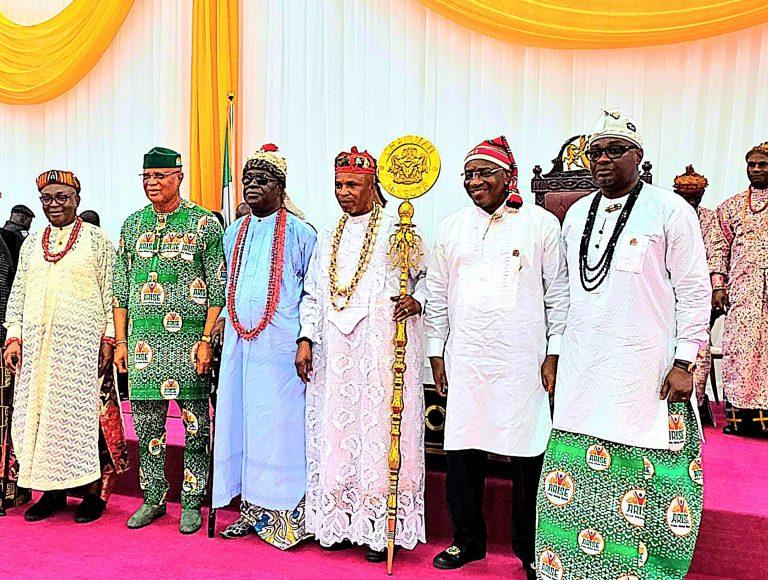
Akwa Ibom State has marked its 38th anniversary with a colourful convergence that brought together government officials, traditional rulers, and community leaders, celebrating nearly four decades of peace, unity, and progress.

The event, held in Uyo, the state capital in southern Nigeria, underscored the role of traditional institutions in the state’s evolution, while also highlighting Governor Umo Eno’s people-centred leadership.

Speaking, the Commissioner for Local Government and Chieftaincy Affairs, Frank Archibong, described the anniversary as ‘a celebration of collective achievements and resilience.’

“This year’s celebration fills our hearts with overwhelming joy and satisfaction. We are joyous because we are not just marking an anniversary, but celebrating 38 years of consistent growth in every region, peace and prosperity,” he stated.

Archibong paid special tribute to the state’s royal fathers for their stabilising role since 1987, saying:“Our Royal Fathers were the very pillars upon which the new state stood to galvanise our people for collective action, champion community ownership of development projects, and provide the cultural, social, and political stability that allowed our state to find peace.”

The Commissioner lauded Governor Umo Eno for fostering unity across political divides. 

“The prevailing peace, political tolerance, and bipartisan disposition of your administration have further created an atmosphere where citizens can thrive regardless of their political leanings,” he said.

Archibong also commended the Governor’s recent initiatives, describing them as visionary:

“The Security Summit will undoubtedly equip our security agencies and fortify our cities as an incredible haven of peace. Similarly, the Electricity Summit has set a clear and actionable pathway towards achieving stable and sustainable power, which is the lifeblood of industrial growth and economic prosperity,”he said.

Transition in the Traditional Rulers Council

As part of the programme, Archibong presented Akuku Sylvester Udofia as the new Chairman of the Supreme Council of Akwa Ibom State Traditional Rulers, succeeding His Royal Majesty Odidem Bassey Edet. 

He assured the people that the new leadership would discharge very effectively the role that has been entrusted, guided by the older members of the institution.”

The Commissioner reaffirmed the administration’s commitment to the welfare of traditional rulers.

Archibong noted that: “Our Royal Fathers are deeply appreciative of your benevolence, especially in the sustenance of welfare packages and quarterly medical allowances.”

Speaking to Voice of Nigeria, the Chairman of the Association of Local Governments of Nigeria (ALGON) in Akwa Ibom and Uyo Local Government Chairman, Dr Uwemedimo Udo, highlighted the role of local governments in delivering development directly to the people.

“The third tier of government is actually the closest to the people. Development thrives in communities, and our people live in communities. Therefore, you cannot underestimate the role of local government in development,” Udo explained.

He spotlighted interventions in healthcare, water supply, student bursaries, and rural infrastructure, noting that Chairmen across Akwa Ibom State  have been “roundly commended as people who have utilised the resources of the local government for the greater good and benefit of the people.”

On financial Autonomy in the Local Government autonomy, the Chairman emphasised that the local government system “has always operated independently,” dismissing claims of financial strangulation. 

Udo explained that the recent rise in allocations is simply “a direct outcome of the removal of fuel subsidy,” noting that the subsidy had long consumed a huge chunk of national resources.

“With its removal, councils now have greater access to funds to drive development at the grassroots,” he stated.

Reflecting on the milestone, Udo saluted past leaders who fought for the state’s creation.

“We salute their efforts, we salute their gallantry, and of course, we wish Akwa Ibom well. We wish Akwa Ibom to be more developed, more prosperous, for our people to live in more peace and enjoy more development across all sectors of our state’s life,” he stated.

Nigeria Secures Increased Support From Gates Foundation

0

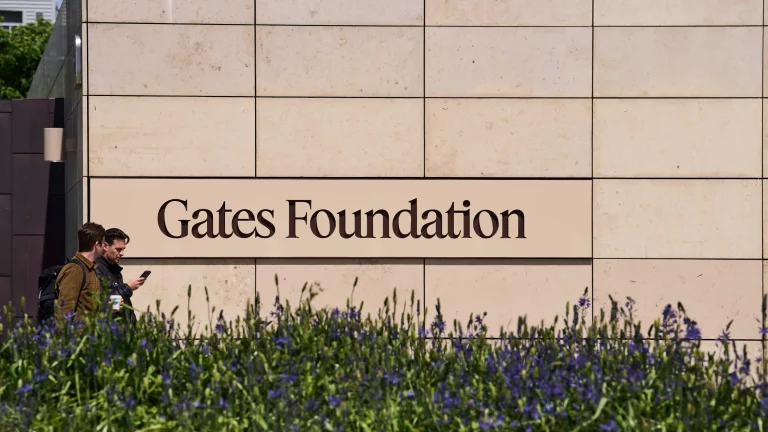
A global giant, the Gates Foundation, has pledged more support for Nigeria to boost the country’s human capital development efforts.

The commitment was made during a meeting between Vice President Shettima and a delegation from the Gates Foundation led by its CEO, Mark Suzman.

VP Shettima thanked the Foundation for its support in healthcare, agriculture, and financial inclusion while calling for expanded investment in Nigeria.

“In the Gates Foundation, we have a partner that we trust and believe in. If all high-net-worth individuals made even half the investment Bill Gates has made, the world would be a better place. Kindly convey the highest regards of my boss, President Bola Ahmed Tinubu, to Mr Gates,” VP Shettima said.

Highlighting Nigeria’s growth ambitions, the vice president added: “Our target over the next few years is to achieve annual growth rates of no less than seven per cent, anchored on macroeconomic stability, improved productivity, and strategic investment in infrastructure, healthcare, agriculture, and education.”

Minister of Education, Dr Tunji Alausa, also appealed for greater Gates Foundation support in education, especially in the areas of technology, artificial intelligence, and machine learning.

“What I want to put on the table to the Gates Foundation is increased investment in education. I have met with your representatives in Africa, and they indicated that the initial focus over the years had been on child nutrition but not education. Now I think there is more focus on education, so I am seeking enhanced support in that area to bolster our foundational education. We don’t have adequate support at all,” the minister said.

More Support 

Responding, CEO Suzman pledged enhanced investment in human capital development, education, and health, noting the foundation’s significant progress in digital identity and digital financial inclusion in Nigeria.

He commended the strong commitment of President Tinubu and Vice President Shettima, stating, “Nigeria is really one of our strongest partnerships on the African continent, and I’m looking forward to hearing from you about where and how we might be more helpful while assuring you of our continued support.

“We just signed new grants with the Central Bank of Nigeria (CBN) to support related initiatives, and we are very encouraged by your broader efforts,” Suzman added.


Information Minister Pledges Collaboration On Media Standards

0

Nigerian Information Minister, Mohammed Idris, has pledged collaboration with the National Board for Technical Education (NBTE) and the Creative Media Sector Skills Council to integrate digital and creative media standards into Nigeria’s broadcast and information practice.

The Minister made this known during a courtesy visit by the leadership of NBTE in Abuja, Nigeria’s capital.

Idris highlighted that the initiative aligns with President Bola Tinubu’s Renewed Hope Agenda. He noted that skills and technology development are central to the Agenda’s eight priority areas, with visible progress already being made by NBTE and other government agencies.

“The collaboration that the government will have with the private sector to drive this economy is critical. What you are doing now is a clear direction of that kind of synergy. That synergy is also being driven by President Bola and his committee, and I assure you that we will continue to collaborate,” he said.

Commending NBTE’s role in advancing Technical and Vocational Education and Training (TVET), the Minister stated: “I wish to commend the National Board for Technical Education for its tireless efforts in advancing Technical and Vocational Education and Training (TVET) in Nigeria, particularly through the Nigerian Skills Qualifications Framework. I am equally delighted by the inauguration of the Creative Media Sector Skills Council, which brings together key private sector players and public institutions to address the skills gap in one of the most dynamic sectors of our economy.”

Idris further described the Council as a transparent system that empowers practitioners and enhances the quality of media output.

“The creative media sector is brimming with talent, but often lacks structured pathways for recognising skills, obtaining certification, and aligning with industry standards. For us in the Ministry, the synergy is clear. Well-trained and certified media professionals will not only raise the standard of our broadcast content but also strengthen media literacy, combat misinformation, and project Nigeria’s image positively both at home and abroad. Your work directly supports our mandate to ensure the dissemination of credible, ethical, and professional information,” he added.

On his part, the Executive Secretary of NBTE, Professor Idris Bugaje, underscored the importance of the Recognition of Prior Learning (RPL) scheme, which aims to certify informally trained professionals.

“The Council is also going to engage the private sector, not only the public institutions of this important sector, so that we can now bring standardisation and certification. We hope this collaboration will turn around the fortunes of the creative media industry in Nigeria.

“Nigerian creative media is already creating waves across the world. And with these interventions, we can consolidate on that and become a hub for the trade of creative media experts.

“With skills, one can become relevant, one can get employment, and one can even employ oneself. So we are trying to reinvent the education and re-engineer the architecture of Nigeria’s education system so that we will focus it on skills in terms of content, in terms of the delivery, and even in terms of the hands-on content of our education system,” he said.

Also speaking, Chairman of the Creative Media Sector Skills Council, Fatima Abubakar, emphasised the importance of industry-led participation.

“The Creative Media Sector Skills Council has over 70% private sector participation, and is aligning with global best practices to ensure industry drives skill development.

“This initiative is not about reinventing the wheel; it is about providing a clear pathway for our professionals to grow. By integrating the NSQF, we can.

“This partnership will give a much-needed boost to our Technical and Vocational Education and Training (TVET) initiatives, ensuring our institutions produce industry-ready graduates.

“It will establish a national benchmark for skills, promoting a culture of continuous learning and professional development within our media agencies,” she said.

The Minister said that President Tinubu’s vision is to ensure Nigeria’s creative and broadcast media workforce is globally competitive, nationally certified, and contributes meaningfully to job creation, economic growth, and national cohesion.