


Civil Society Organisations (CSOs), led by the Vaccine Network for Disease Control (VNDC), have intensified calls for the Nigerian government to prioritise immunisation financing as a critical national health investment to protect millions of vulnerable children.
At a press conference in Abuja themed “If You Have to Make a Choice, Choose Immunisation!”, the coalition stressed the urgent need for sustainable, timely, and adequate funding for vaccine delivery, warning that delays could reverse significant public health gains.
The event was part of advocacy efforts under the Partnership to Reach Zero-Dose Children (PREACH) project, supported by Gavi, the Vaccine Alliance, through the Global Health Advocacy Initiative (GHAI), aimed at enhancing stakeholder commitment to reaching children who have never received routine immunisations.

VNDC’s CEO, Mrs Chika Offor, expressed alarm over Nigeria’s nearly 30% share of the world’s zero-dose children, stating, “This is not just data; this is a national emergency hidden in plain sight.”
She commended President Bola Tinubu for releasing all outstanding vaccine funds for 2022 and 2023 and 25% of the 2024 commitment, as well as the National Assembly, Coordinating Minister of Health Prof. Muhammad Ali Pate, and the Ministers of Finance and Budget for increasing immunisation budget allocations.
However, she cautioned that more action is needed: “Without consistent and timely vaccine funding, over one million Nigerian children under five remain at risk of dying from diseases we already have the power to prevent.”
Read Also: Nasarawa NAFDAC Moves to Regulate Breast Milk Substitutes
The CSOs urged the Federal Ministry of Finance to immediately release the outstanding ₦108 billion for 2024 and ensure full disbursement of the ₦231.7 billion allocated for 2025.
They also called on state governments to institutionalise immunisation financing in their budgets and release funds promptly. Offor highlighted the economic benefits, noting, “That is not just a smart investment; it is a life-saving one,” with every ₦1 invested in vaccines yielding ₦16 in health and economic benefits.

Hon. Muhammed Usman, former Deputy Chairman of the House Committee on Health Care Services, emphasised that increasing budgetary allocations is insufficient without timely disbursement.
“You only make prompt release if you prioritise,” he said, warning that delays in releasing funds undermine the National Assembly’s efforts and could discourage future budget increases. He noted that substantial funds from 2024 and 2025 remain unreleased, causing frustration among legislators.
“Even though the allocated sums are not enough, releasing the available funds would show seriousness and encourage lawmakers to allocate more in the 2026 and 2027 budget cycles,” Usman added.
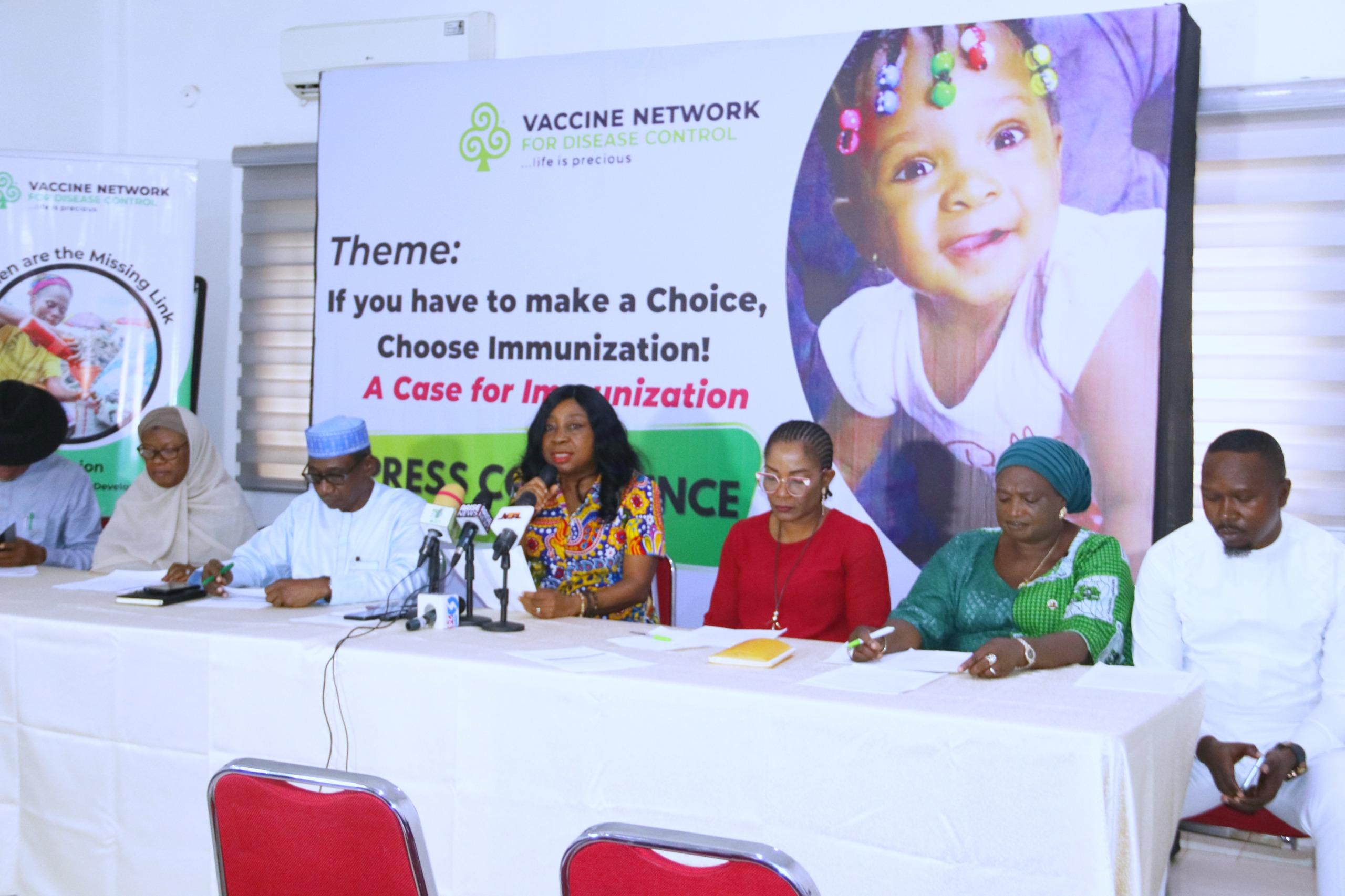
Representatives from other CSOs, including Prof. Emmanuel Alhassan (Country Coordinator, Global Health Advocacy Incubator), Dr Ndaeyo Iwot (General Secretary, Health Sector Reform Coalition), and Senator Ibrahim Oloriegbe (Board Chairman, National Health Insurance Authority), echoed the need for stronger multisectoral collaboration and accountability mechanisms.
In an exclusive interview with journalists at the National Assembly Complex, Hon. Amos Magaji, Chairman of the House Committee on Healthcare Services and the Parliamentary Caucus on Immunisation and Primary Healthcare Financing, made an urgent appeal for the release of over ₦87 billion in delayed immunisation funds, describing the delay as a “disaster waiting to happen.”

He stressed that such funding should be treated as a first-line charge in the national budget to ensure timely disbursement, as “Children won’t wait to grow. A child who missed vaccination milestones due to funding delays may already be exposed; this is not just an administrative issue, it’s a matter of life and death.”
Magaji linked recent cholera and diphtheria outbreaks to vaccine-preventable diseases and noted that the National Assembly is actively tracking these funds, requesting documentation to expedite their release.

Magaji also addressed cultural and religious barriers to maternal and child health, such as resistance to antenatal care and hospital deliveries, proposing a nationwide reorientation campaign and the use of mobile technology to track pregnant women and ensure timely healthcare interventions.
He reaffirmed the National Assembly’s commitment to oversight, collaboration with the Ministry of Health, and long-term solutions like local vaccine production, declaring, “We must prioritise health the same way we do security; bad roads can wait, health cannot.”