


 has received widespread commendation for its leadership developing and implementing the Civilian Harm Mitigation)
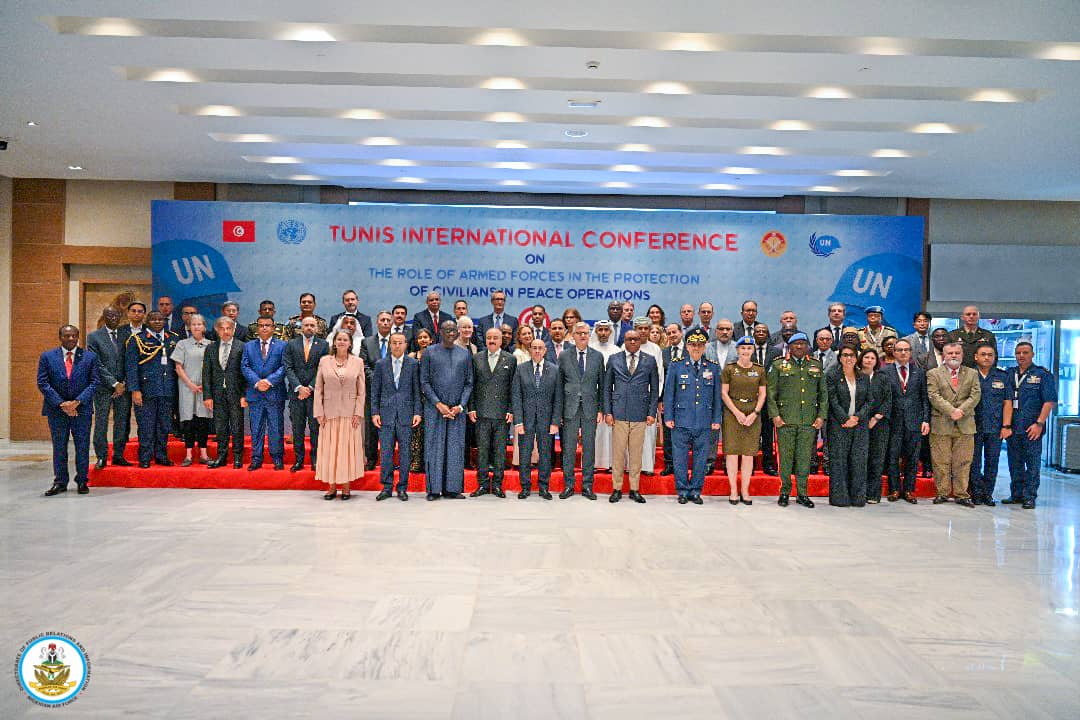
The Nigerian Air Force (NAF) has received widespread commendation for its leadership in developing and implementing the Civilian Harm Mitigation and Response-Action Plan (CHMR-AP), as well as for its growing role in advancing civilian protection efforts across the Armed Forces.
These accolades were expressed during the United Nations (UN) and Tunisian Defence Forces–sponsored Conference on Protection of Civilians, held recently in Tunis, Tunisia.
In a statement, the Director of Public Relations and Information, NAF Headquarters, Air Commodore Ehimen Ejodamet said, the NAF was particularly praised for embedding leadership oversight, training, and data collection into its operational framework to improve the protection of civilians.
According to him, the integration of robust strategies and guidance across the full spectrum of NAF operations was cited as a forward-thinking model for modern air forces.
He noted that delegates also commended the NAF for proactively addressing the risks of target misidentification and confirmation bias, and for establishing a strategic communication framework to guide its responses to civilian harm incidents.
Speaking on behalf of the Chief of the Air Staff, Air Marshal Hasan Abubakar, the Director of Cooperation and Coordination at the NAF Civil-Military Relations Branch, Air Vice Marshal Edward Gabkwet, emphasised that protecting civilians is not only a moral imperative but a constitutional responsibility embedded in the 1999 Nigerian Constitution.
Speaking on the importance of the CHMR-AP, Air Marshal Abubakar stressed the importance of balancing military objectives with humanitarian obligations.
“Our operational effectiveness must never come at the expense of civilian lives. We are committed to ensuring that our air operations reflect both precision and compassion”, he said.
He further reiterated that the NAF is aware that operational success must not be measured solely by tactical victories.
“Past experiences have taught us that if we neglect civilian harm mitigation, short-term gains can quickly transform into long-term strategic setbacks,” the CAS stated.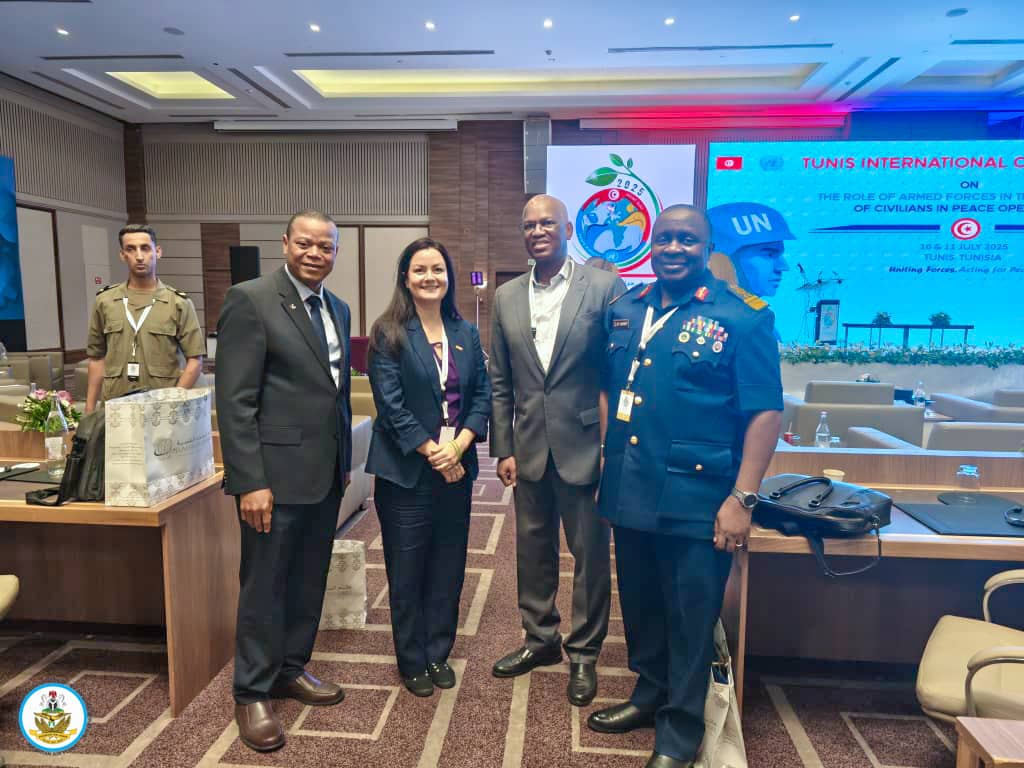
Air Marshal Abubakar explained, “We have moved swiftly from planning to execution because we recognise the urgency. Civilian harm mitigation is now a core component of how we fight and how we lead.”
The CAS added that the NAF had inaugurated a CHMR Board for strategic oversight, activated a Civilian Harm Assessment Cell for investigations, and established a dedicated department at the Air Warfare Centre to lead capacity-building.
He also noted that field engagements were ongoing to integrate civilian considerations into operations.
The two-day event drew over 100 participants, including senior military officials, representatives from regional and subregional organisations, the United Nations, and various civil society groups.
High-profile delegates included the UN Under-Secretary-General for Peace Operations, Mr Jean-Pierre Lacroix; Senegal’s Minister of the Armed Forces, General Birame Diop (Rtd); and Ghana’s Deputy Minister for Defence, Mr Ernest Brogyi Genyi.
The conference not only spotlighted NAF’s progress but also advanced a broader, continental commitment to safeguarding civilians during military operations across Africa and beyond.