


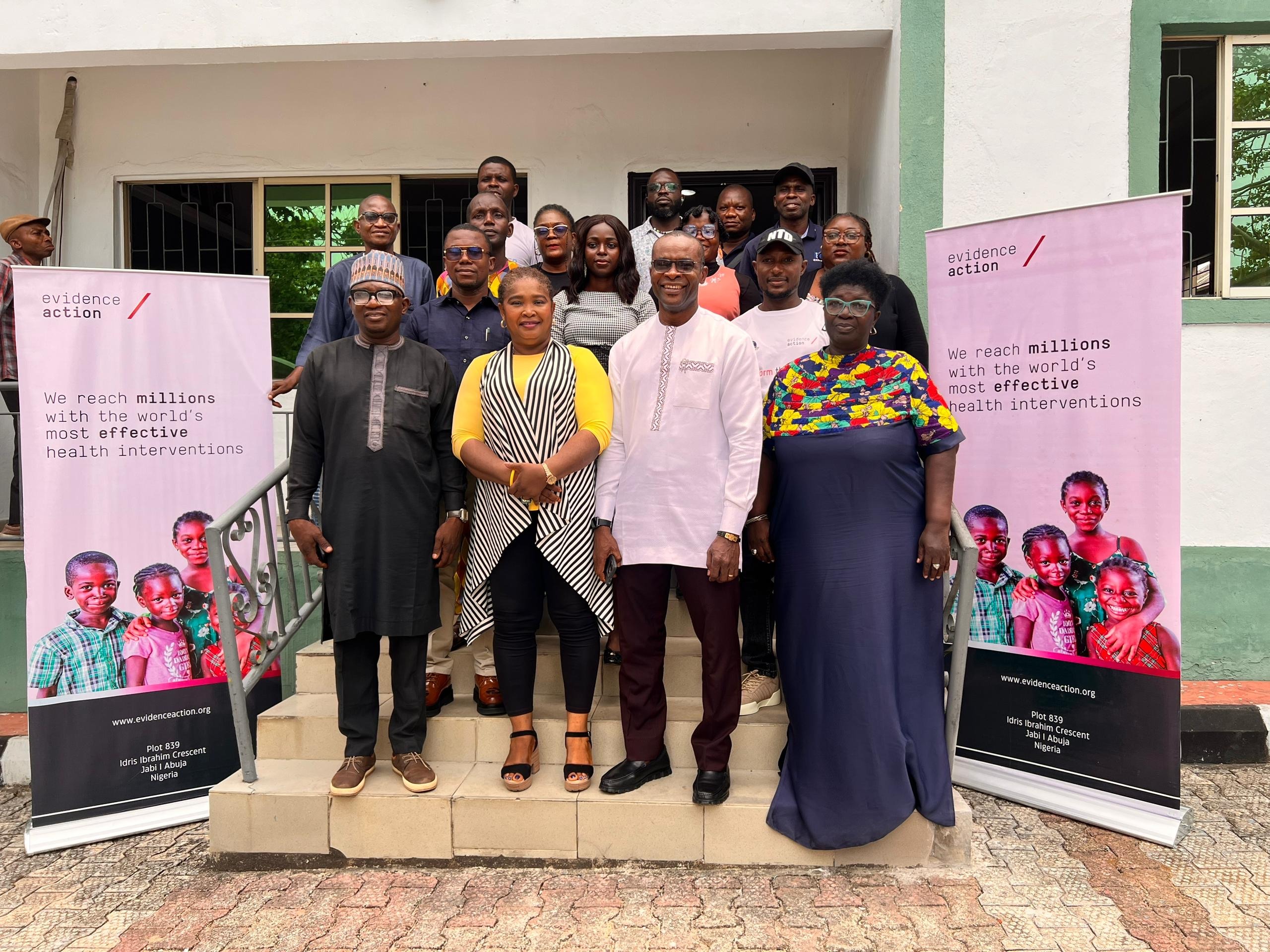
Stakeholders in Cross River State, southern Nigeria, have concluded arrangements to begin a five-day statewide deworming exercise aimed at improving the health and learning outcomes of schoolchildren.
A non-governmental organisation, Evidence Action, in collaboration with the Federal Ministry of Health and the Federal Ministry of Education, says the 2026 school-based deworming programme will soon begin across the 18 local government areas of Cross River State to improve children’s health.
Speaking during a one-day sensitisation workshop for health professionals, development partners and some journalists, the Cross River State Programme Officer for Neglected Tropical Diseases, Veronica Mark, said the deworming campaign was aimed at reducing the burden of intestinal worm infections among children.
According to Mark, Evidence Action is providing technical support to Nigeria and the Cross River State Government for large-scale deworming exercises, noting that the 2026 edition has been designed to reach more than 900,000 children in rural communities and urban centres.
Mark also noted that intestinal worm infections, which are a public health concern, affect more than 1.5 billion people, about 24 per cent of the global population, who have soil-transmitted helminths.
She further noted that while over one billion children require treatment for these infections, more than 128 million children need treatment for schistosomiasis.
The programme officer said the statewide deworming exercise would be limited to children between the ages of five and fourteen years, noting, “We want them to take this medicine, so they can be free from worm infections and be effective in their various schools and perform well in the future.”
On the safety, efficacy and cost of the deworming tablets, she assured, “The medicine is not harmful, and nobody is expected to pay for it. The medicines are free and will be administered by trained health personnel. We need parents and guardians to support this exercise as the teams visit the schools.”
Similarly, the South-South Programme Lead at Evidence Action, Eustace Ohaji, in his presentation, said the deworming exercise, which will last for five days, is part of a broader effort to eliminate Neglected Tropical Diseases by 2030.
Ohaji revealed that since 2016, when Evidence Action commenced its deworming programme, the prevalence of soil-transmitted helminth infections in Cross River State has reduced by 48.5 per cent, while cases of schistosomiasis have dropped by 76 per cent.
He said, ”This is a very laudable achievement for Cross River State, and it shows that the efforts of the government and partners are producing results. We are committed to strengthening our partnership with the state so that the gains recorded so far will continue, and we can move closer to the elimination of these diseases by 2030.”