


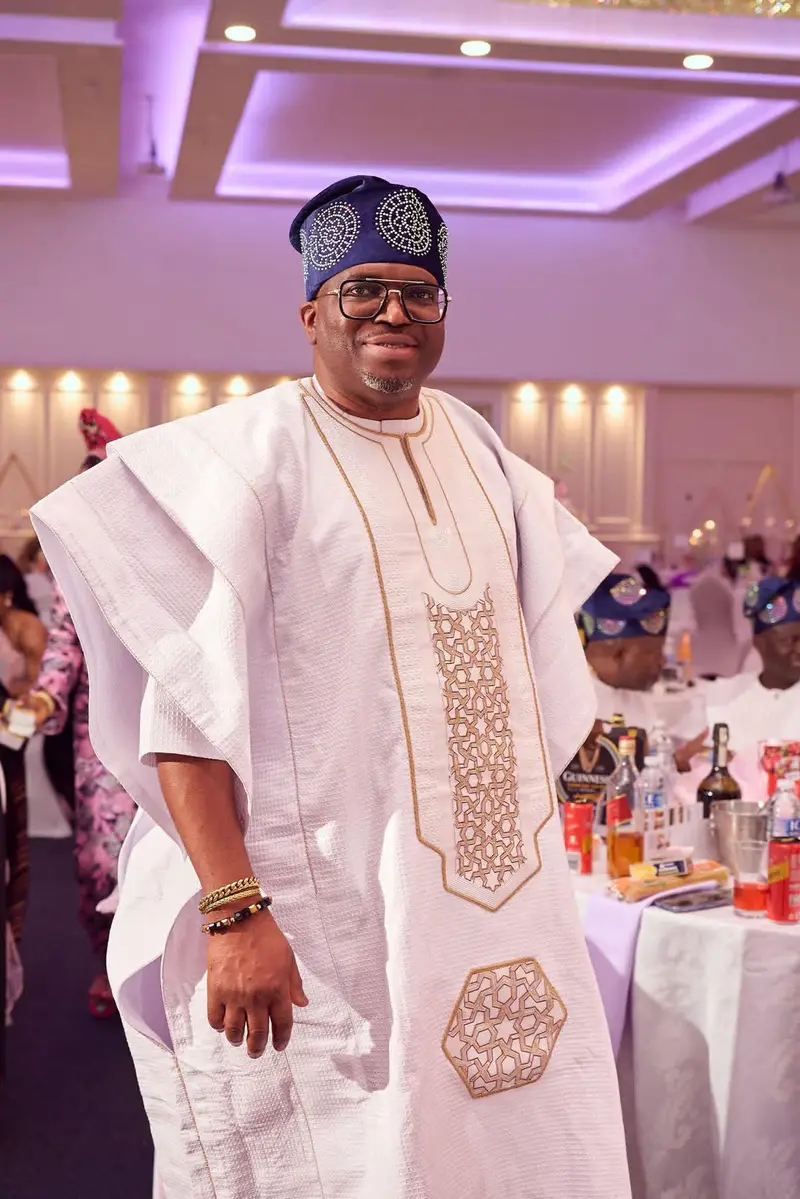
A former President of the Nigerians in Diaspora Organisation in Qatar, Mr. Victor Ikoli, has commended Ghana’s former President, John Mahama, for his role in advancing a United Nations resolution recognising the transatlantic slave trade as one of the gravest crimes in human history.
Ikoli, a communications strategist, made the remarks in an interview on Saturday.
The United Nations adopted the resolution during the International Day of Remembrance of the Victims of Slavery and the Transatlantic Slave Trade 2026, an occasion dedicated to reflection on the impact of slavery and the need for justice
READ ALSO: UN to deepen digital Literacy amongst African Women, Girls
According to Ikoli, “Mahama’s push for reparations over the slave trade should not be dismissed as mere symbolism.”
He said that the development serves as a stark reminder that much of the modern world is built on an atrocity so vast that its impact continues to shape power, wealth, and identity today.
“President Mahama’s call at the United Nations to recognise transatlantic slavery as the gravest crime in human history, and to pursue reparations, should not be dismissed as symbolism.
“It is, at its core, a call for honesty. A call to confront history with clarity, and to accept responsibility where it is due.”
“They have to move beyond the narrow idea of cash payments. If reparations are to carry any real weight, they must be broader, deeper, and sustained touching on four key areas,”Ikoli said.
He stressed that reparations should not be seen as a favour to Africa, but as a long-term commitment to building a world that genuinely upholds justice.
Mr. Victor Ikoli noted that “such reparations must be grounded in historical acknowledgement and a clear global admission that the transatlantic slave trade was not merely an unfortunate episode.”
He called for institutional redress, including meaningful investment in African economies, education, cultural institutions, and technology, not as aid but as restitution for centuries of exploitation.
Ikoli also highlighted the need for diaspora reconnection, stating that “reparations should create pathways for millions whose histories were disrupted to rediscover their identity, rebuild cultural ties, and move more freely across continents.”
He further emphasised the importance of policy-level changes, including debt relief, fairer trade systems, and the dismantling of global economic structures that continue to reflect colonial hierarchies.
According to him, “the transatlantic slave trade disrupted population growth, weakened political systems, and derailed economic development across Africa.”
He noted that millions of young and able individuals were taken, leaving societies destabilised and contributing to patterns of underdevelopment long before the colonial era.
Ikoli maintained that Africa’s present challenges are not due to any inherent weakness but are the result of historical disruption.
He said that without the sustained extraction of its people, the continent’s development path might have mirrored that of other ancient civilisations allowed to evolve without such profound interference.
Ikoli, however, stressed that Africa’s story is not solely one of loss, but also of endurance, reinvention, and cultural influence that continues to shape the world.
“The conversation around reparations is not about dwelling on the past,” he said, adding that it is about addressing lingering inequalities and creating a more just and equitable future.
NAN