



Notable scholars across the world have emphasised the need for responsible Artificial Intelligence (AI) adoption, highlighting the importance of ethics, transparency, and accountability in AI development.
One of the discussants at the scholars conference, a lecturer at the Islamic University Malaysia, Professor Mohamed Hadi Habaebi warned that AI is already shaping critical decisions and must be guided by ethics.

“Technology is not neutral,” Prof. Habaebi cautioned. “Without ethical guidance, AI can magnify injustice rather than reduce it.” He urged scholars, technologists, and policymakers to take an active role in shaping AI systems.
The virtual conference featured expert insights from various fields, including CEO of Marble Capital Limited, Akeem Oyewale and who stressed that halal income shapes intention, behaviour and outcomes.

“Wealth in Islam is not an end in itself but a trust with social consequences,” Oyewale said, emphasising the importance of ethical business conduct and transparency.
The conference also highlighted the importance of dialogue in managing diversity and promoting social cohesion.
Assistant Professor of Entrepreneurship and Programme Leader at Universiti Brunei Darussalam, Lukman Raimi, noted that dialogue is not about erasing differences, but about managing them ethically.
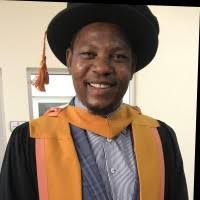
Also Manager of the Nursi Research and Training Centre (NRTC) in Malaysia, Ustadh Yusuf Kara echoed this sentiment, emphasising that dialogue is a civic responsibility, especially in contexts where ethnic, religious, and ideological tensions threaten social cohesion.
The experts agreed that responsible AI adoption requires intention, consistency, and human oversight. AI should assist people, not replace them, and final accountability must always remain with humans.

The conference concluded that Nigeria must prioritise responsible AI adoption, emphasising the need for ethics, transparency, and accountability in AI development. By doing so, the country can harness the benefits of AI while minimising its risks.