


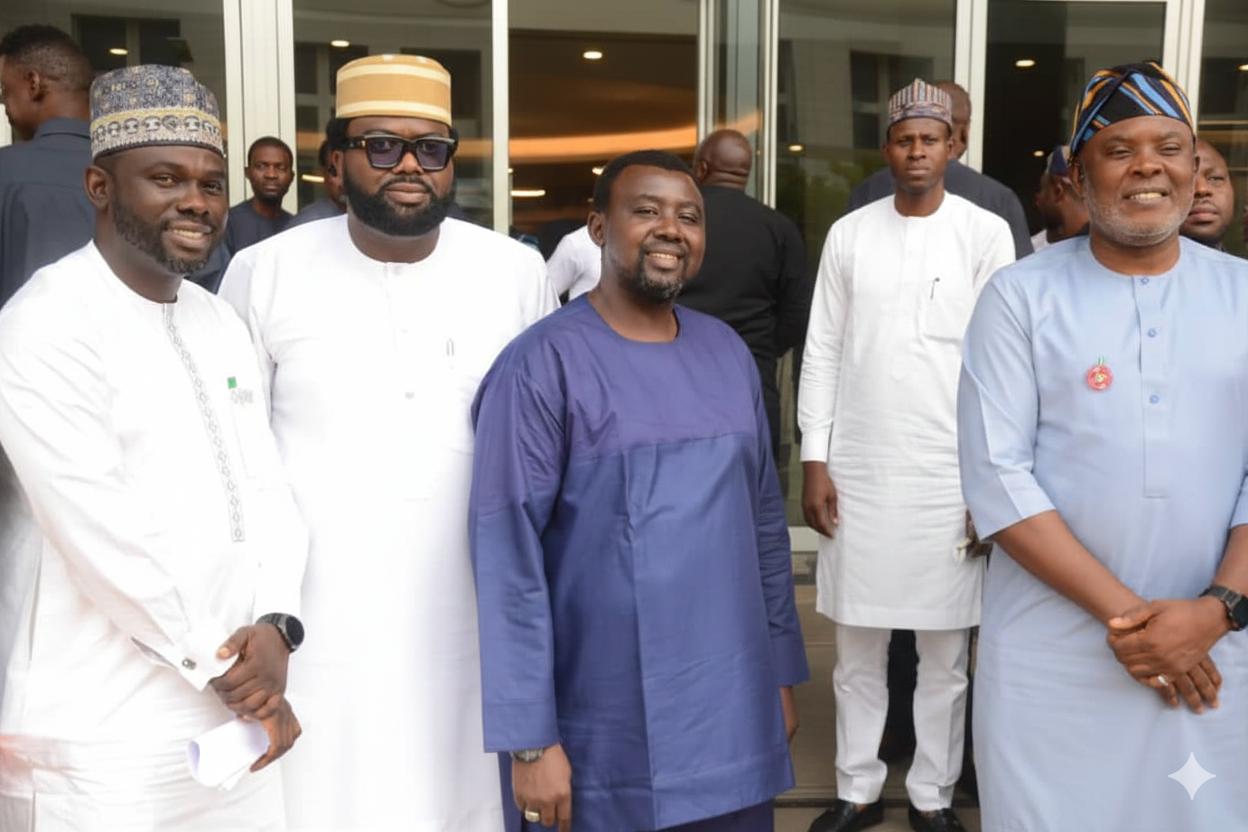
The House Committee on Media and Public Affairs has urged Nigerian journalists to simplify complex digital governance and legislative issues into clear, citizen-friendly reports that promote public understanding and trust.
The call was made at a joint retreat for the House of Representatives Press Corps and Media Aides, organised in collaboration with Paradigm Initiative, to strengthen accurate, ethical, and insightful reporting on digital- and technology-related legislation.
The House reiterated its commitment to safeguarding the digital rights of Nigerians through fair and well-considered digital legislation. It also restated its dedication to accurate and innovative public communication as a means of strengthening institutional trust and improving service delivery across the country.
While declaring the workshop open, the House Spokesperson and Chairman of the House Committee on Media and Public Affairs, Mr Akin Rotimi, stressed that democracy works best when citizens are properly informed.
He noted that access to clear and reliable information is essential for meaningful public engagement and accountability.
“Our vision is clear: to position the 10th Assembly as The People’s House, a Parliament that is trusted, responsive, and results-driven. Our mission is equally clear: to deliver timely, factual, and innovative public communication that strengthens institutional credibility and supports effective service delivery.
“This retreat reflects a deliberate commitment by the House Committee on Media and Public Affairs to invest in professionalism, ethics, competence, and institutional coherence in legislative communication.
“It reflects a broader reform journey guiding the work of the House Committee on Media and Public Affairs. Democracy functions best when citizens are well informed, when institutions communicate responsibly, and when the media ecosystem upholds professionalism and public interest.
“As the volume of digital-related legislation before the National Assembly continues to grow, the responsibility to report such matters with insight, balance, and technical understanding also grows.
“This gathering is timely and strategic. The legislative environment now operates within complex questions of digital governance, data protection, cybersecurity, artificial intelligence, online safety, and digital rights.
“The responsibility to interpret these issues accurately and present them clearly to the Nigerian people rests on two key groups represented here today: the accredited Press Corps covering the National Assembly and the media teams that support members and House leadership,” Mr Rotimi said.
He added that the retreat reflects a deliberate commitment by the House Committee on Media and Public Affairs to invest in professionalism, ethics, competence, and institutional coherence in legislative communication.
On his part, the Chairman of the House Press Corps, Comrade Gboyega Onadiran, commended the organisers for recognising the importance of training journalists.
Also Read: Minister Urges Media to Support Government’s Security Efforts
He stressed that journalism has moved beyond headlines, noting that the media holds the key to public understanding of legislative issues.
“The media now work in a digital ecosystem shaped by data, algorithms, artificial intelligence, cybersecurity, and online rights. How we understand these issues and how we explain them to the Nigerian public matters deeply.
“As members of the Press Corps, our duty is not just to report what happens in the House, but to make the work of Parliament understandable, credible, and relevant to citizens. This, we have been doing patriotically and ethically,” Mr Onadiran said.
The training was organised with support from Paradigm Initiative Nigeria (PIN), with its Executive Director, Mr Gbenga Sesan, taking participants through sessions on Reporting Digital Legislation, the State of Digital Rights in Nigeria, and Mapping Digital Legislation in Nigeria, among others.
He said that Nigeria’s desire to achieve a trillion-dollar economy cannot be attained without digital security. He also noted that the media and youths in Nigeria can make digital communication an emergency issue.
While speaking on mapping digital legislation in Nigeria, Mr Sesan gave an overview of the Nigeria Data Protection Act, AI and Innovation Bills, Digital Rights and Freedoms Bills, National Digital Economy and e-Governance Bill, Cybercrimes Acts amendments, and the Child Online Access Protection Bill.
He explained that child protection laws affect adult access, as they can lead to “overprotection of documents/information in the guise of child protection.”