

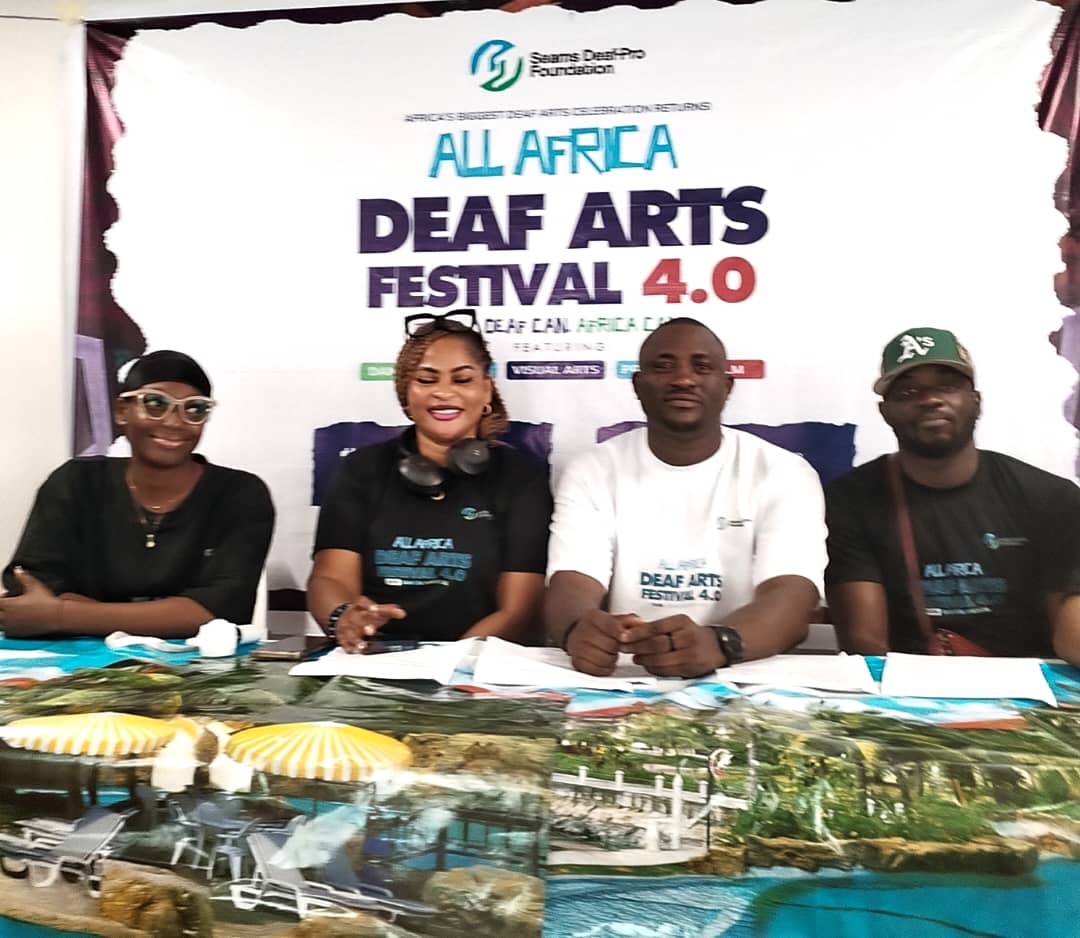
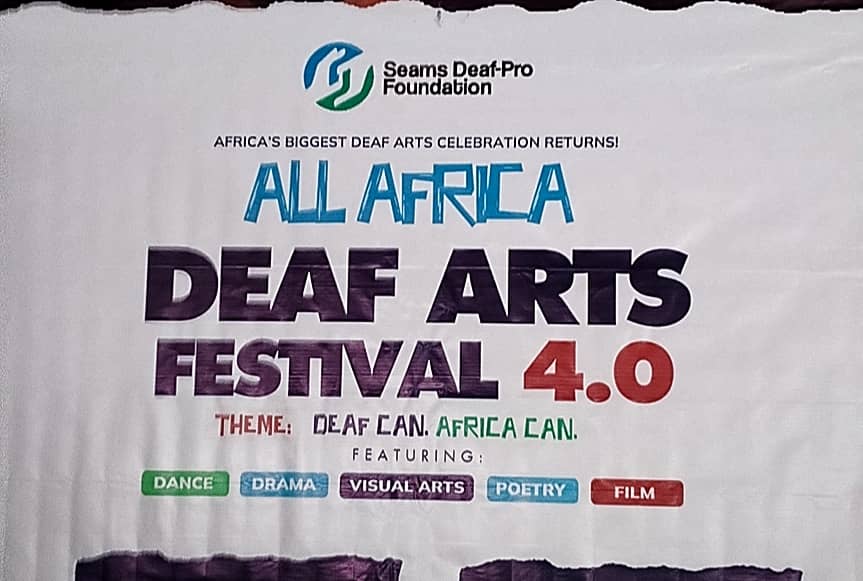
Nigerians have been urged to show greater support for persons living with disabilities, particularly the Deaf community, ahead of the forthcoming All Africa Deaf Arts Festival (AADA Festival) 4.0.
Disability inclusion advocate, Dr. Marian Akran, made the call during a press conference in Lagos, saying although the Deaf community is among Africa’s most vibrant cultural groups, it remains largely excluded.
Dr. Akran stressed the need for accessible artistic spaces where Deaf individuals can participate, perform, and lead, saying “such access empowers them to communicate effectively and be fully understood.”
“We want Deaf talents to be placed at the centre, not at the margins. Inclusion must be lived, not proclaimed. Real inclusion creates opportunities and removes barriers, enabling Deaf youths, who have long been limited, to access mentorship, networking, and partnerships across the continent,” Dr. Akran said.
She commended the Lagos State Office for Disability Affairs and called on Nigerians to strengthen collective efforts toward supporting persons living with disabilities.
She also urged corporate organisations to provide employment opportunities, emphasising that government alone cannot meet all the needs of the community.
Highlighting the impact of the festival, Dr. Akran said: “When Deaf children watch performers who communicate like them confidently on stage, it gives them a sense of belonging and possibility.
“ADAF 4.0 is not charity—it is recognition of talent and identity, ensuring no artist is left behind.”
The Executive Director of Seams Deaf Pro Foundation, Samuel Femi James explained that the festival was established to address barriers faced by Deaf and disabled youths in the creative sector.
He noted that many young Deaf artists across Africa struggle not for lack of talent but due to limited access, mentorship, and growth opportunities.
“The festival exists to empower Deaf creatives to build careers, gain visibility, and contribute meaningfully to Africa’s creative economy,” James said.
He outlined key highlights of the festival:
- December 1–5: Intensive workshops on visual and traditional arts, digital arts and new media, professional dance, drama and performance, creative leadership, stagecraft, and production, featuring Deaf and disabled artists from Nigeria, Ghana, South Africa, and other African countries;
- December 6: Exhibitions, film screenings, cultural showcases, and stakeholder discussions on inclusion, accessibility, and policy reform at the University of Ibadan.
This year’s edition will host participants at the Federal College of Education (Special), Oyo, West Africa’s largest disability-focused institution, before moving to the Wole Soyinka Arts Theatre, University of Ibadan, for the grand finale. The festival will also feature a week-long residential camp for 100 Deaf and disabled youths, focusing on empowerment and mentorship.
James appealed for corporate and individual support, noting that every contribution directly impacts the lives and future of Deaf youths.
He also urged the media to continue amplifying stories from the Deaf creative community to strengthen public awareness and policy dialogue.
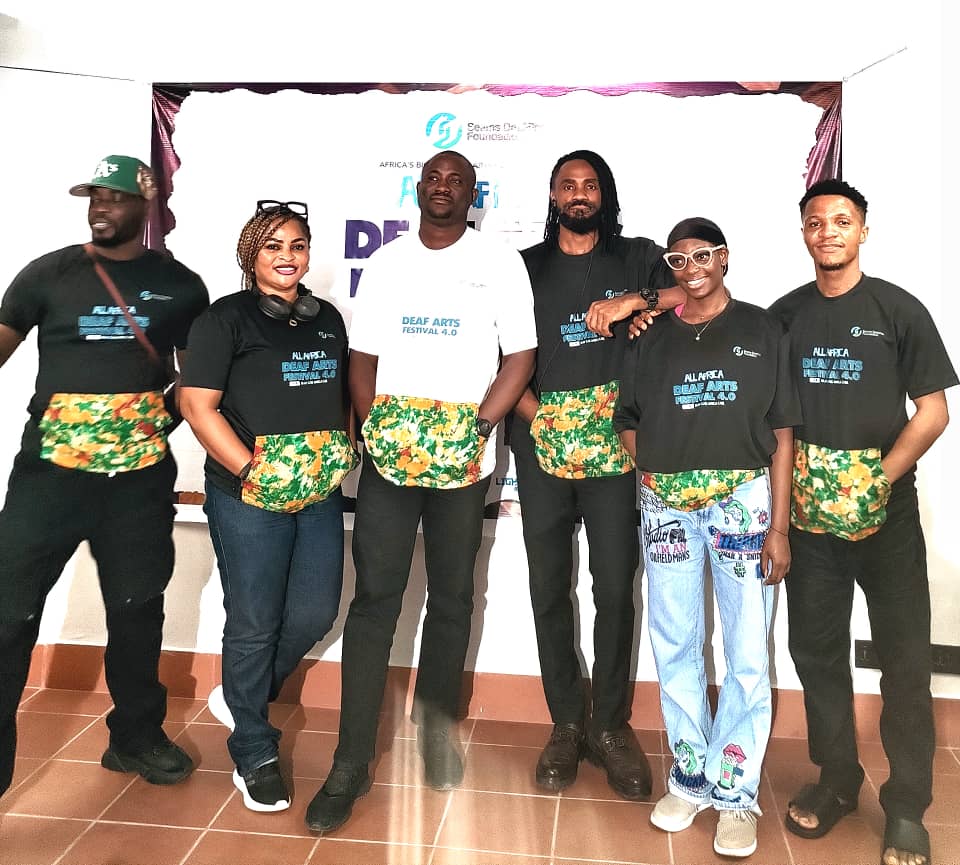
Other members of the organising team, including Ade Oyeyipo and Banji Omotesho, reinforced the need for Nigerians to help create an enabling environment for persons living with disabilities.
Some Deaf dancers expressed their enthusiasm for the festival and called for public support.
Organisers say “they are committed to delivering the most transformative edition yet, scheduled to hold from December 1–6, 2025, in Oyo and Ibadan, Oyo State.”
Mercy Chukwudiebere