

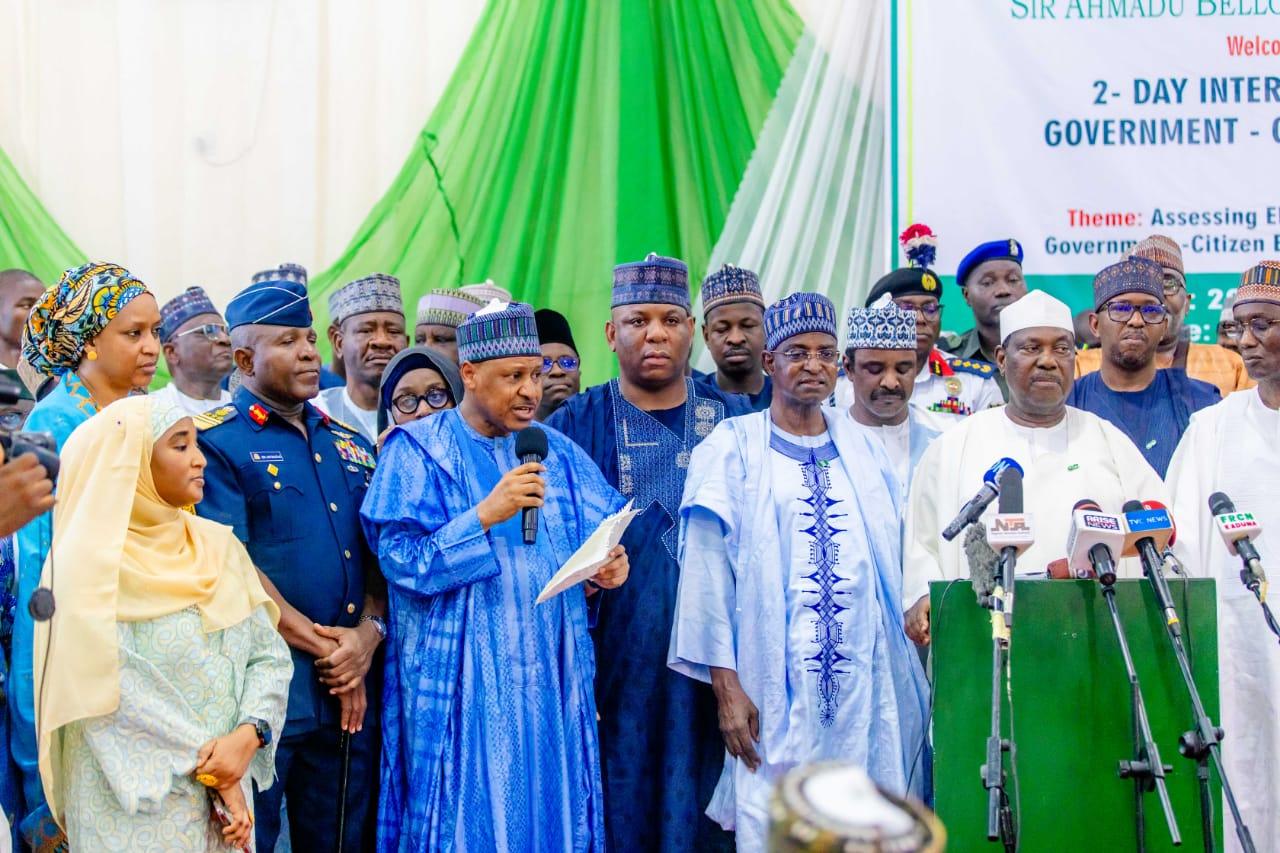
Nigeria’s Minister of Information and National Orientation, Mohammed Idris, has stressed the importance of dialogue as the most effective means of collaboration between the government, those in leadership positions, and the citizenry.
READ ALSO: President Tinubu Pledges Equitable Development Across Nigeria
He made the remark at the opening of a two-day interactive session on Government-Citizen Engagement held in Kaduna State, North-West Nigeria.
Idris explained that the event underscores the importance of honouring commitments and strengthening the bond between the government and the people.
“We’ve all come here to tell Nigerians, especially people of the north, what this government promised to do and what has been done so far. It’s been a very engaging session. The attendees are senior figures from the northern part of the country, and they are pleased with this high-level interaction. This is unprecedented—ministers in this number engaging citizens directly. This will not be a one-off. We will continue to engage regularly. We believe it is the best way to foster better collaboration between government and leadership,” he said.
He added that President Tinubu had directed all northern ministers to be present and address concerns raised by citizens.
READ ALSO: Wait Until 2031 – SGF Akume Urges Northern Politicians
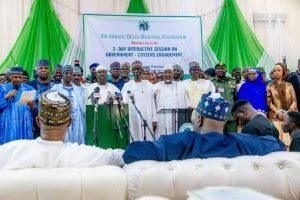
“The President said we should come here in our numbers—those of us he appointed from the north—to deal with specific issues. We have come to answer questions and to present the status of the promises he made. Many have already been fulfilled, while others are still in progress,” Idris stated.
During the session, Nigeria’s National Security Adviser, Nuhu Ribadu, highlighted the government’s progress in tackling insecurity under President Tinubu’s administration.
“Before we came in, bandits controlled parts of the North Central and other areas, killing innocent people weekly and destroying communities. We have traced, identified, and dealt with them. Before 29 May 2023, there were high-profile attacks and mass casualties nationwide. We knew Nigeria had to be secured first. We resolved the Niger Delta issue—crude oil production has risen from one million barrels per day to over 1.9 million. We stopped those trying to divide the country. Tinubu instructed security agencies to collaborate, and that is what we’re doing—with each other and with governors. Kaduna is now 80 per cent free of bandits. Operations are ongoing in Kwara and elsewhere. All security agencies now work as one team. Communities once held hostage now have relief,” he said.
Ribadu further stated that the armed forces have neutralised many criminal elements, particularly in Kaduna.
READ ALSO: SGF Akume Reaffirms President Tinubu’s Drive for Sustainable Growth
“Those who once controlled territories in Kaduna have been eliminated. The region is now free. We’ve achieved a lot, although the job is not yet done. There are enemies of the state in custody and others under serious investigation. The Army’s recent achievements are commendable—roads are safer; Kandawa, Dubali, Sabon Gari, and other areas have been liberated. You can now drive across Kaduna freely, unlike two years ago. President Tinubu has mandated us to work together for national stability and restoration. We need your support,” he added.
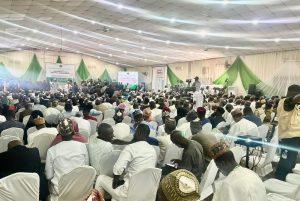
Nigeria’s Chief of Defence Staff, General Christopher Musa, reaffirmed the commitment of the armed forces to securing the northern region and the country at large.
“We will go after every enemy of the state and continue until there is peace and tranquillity across Nigeria. Our approach is based on collaboration, professionalism, and collective action. Since we cannot be everywhere, we work with communities—security is also about relationships. We must also fully engage our youth to steer them away from crime. We have launched public awareness campaigns. The Nigerian Air Force and other security agencies are doing their part. However, our borders remain porous, and we urge border communities to report criminal elements crossing into Nigeria,” he said.
The interactive forum, organised by the Ahmadu Bello Memorial Foundation, is expected to serve as a platform for feedback, dialogue, and policy recalibration in line with public expectations.
PIAK