

The Director-General of the Institute for Peace and Conflict Resolution (IPCR), Dr. Joseph Ochogwu, has called on policymakers and religious leaders to strengthen coordination and implementation of Nigeria’s livestock policy to promote peace, security and national cohesion.
Dr. Ochogwu made the call in Abuja while delivering his keynote address at the Second Quarter Policy Review Dialogue of the Network of Policymakers and Religious Leaders to Support Peace, Security and Reconciliation in Nigeria, The dialogue, themed “From Policy to Practice: Strengthening Coordination and Implementation of Nigeria’s Livestock Policy,” brought together senior government officials, religious leaders and peacebuilding stakeholders.
He noted that the livestock sector remains central to many conflict dynamics across the country, influencing social relations, economic stability and the national security environment.
While the First Quarter Dialogue examined the implications of livestock policy on peace and security, this second session focused on translating ideas into coordinated, practical and measurable action.
“When Nelson Mandela said, ‘It always seems impossible until it is done,’ he captured the essence of our task today,” Ochogwu said. “Nigeria does not lack livestock policies; what we lack is consistent coordination and sustained implementation.”
The IPCR DG described the farmer–herder crisis as a “complex risk system” influenced by environmental pressures, demographic shifts, weak regulation, governance gaps and trans-boundary migration. These intertwined factors, he said, overstretch institutions and therefore demand a system-wide response.
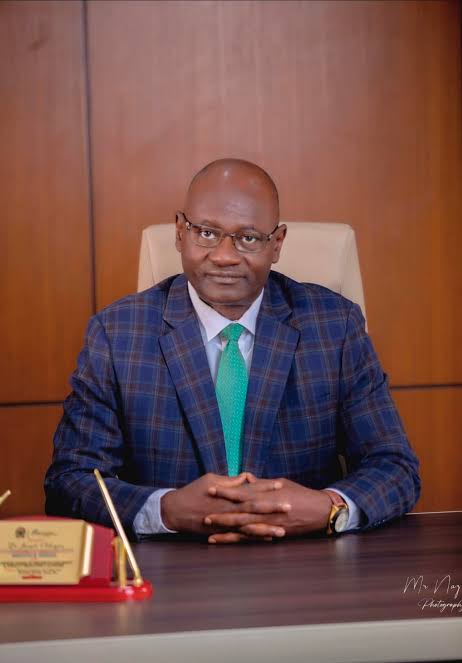
Ochogwu emphasised that when institutions operate in silos, policy loses its power to prevent conflict, but when coordination is strengthened across federal, state, local and community levels, policy becomes a tool for stability and peace. He added that Nigeria’s diversity requires coherence in livestock governance and that communities, traditional leaders, religious institutions, pastoralists and farmers, must be integral partners.
Highlighting the stakes, he warned that poorly regulated livestock systems fuel communal clashes, rural banditry, cattle rustling, displacement and deepening mistrust among communities. In extreme cases, the situation has sparked fears of mass atrocities or targeted violence.
“As the Institute for Peace and Conflict Resolution, we must speak with clarity and responsibility,” Ochogwu stated. “Nigeria must never allow any trajectory that resembles genocide or the systematic destruction of any community.”
Read Also: IPCR Marks International Day of Peace, Calls for Global Action
Responding to recent public allegations that Christians in Nigeria are being deliberately targeted for extermination, he appealed for evidence-based engagement rather than fear-driven narratives. He stressed that Nigeria’s security challenges, terrorism, banditry, resource pressures and unresolved grievances, are collective challenges requiring collective solutions. He reaffirmed that the Federal Government remains committed to the safety of all citizens.
Ochogwu praised the partnership between policymakers and religious leaders, calling them a “multi-layered governance alliance” capable of driving trust-building, social cohesion and effective policy implementation. He reminded participants of President Barack Obama’s words: “We are the ones we have been waiting for.”
He urged the dialogue to deepen its focus on strengthening coordination among all levels of governance, embedding conflict-sensitive approaches in implementation, ensuring inclusive participation of all stakeholders, and institutionalising evidence-led monitoring and accountability systems, especially using real-time data on conflict hotspots and pastoral mobility.
Providing Policy Advisory Services
Reaffirming IPCR’s commitment, Ochogwu said the Institute will continue to provide conflict analysis, policy advisory services, early warning and response mechanisms, peacebuilding support and community mediation platforms. He added that collaboration with KAICIID and other partners will ensure that the dialogue’s outcomes translate into meaningful change at the grassroots.
Quoting Kofi Annan, he concluded: “We are not only responsible for our own security; we are responsible for one another’s.”
According to him, ensuring that livestock policy becomes a driver of stability and national development is essential to strengthening Nigeria’s unity and future.