

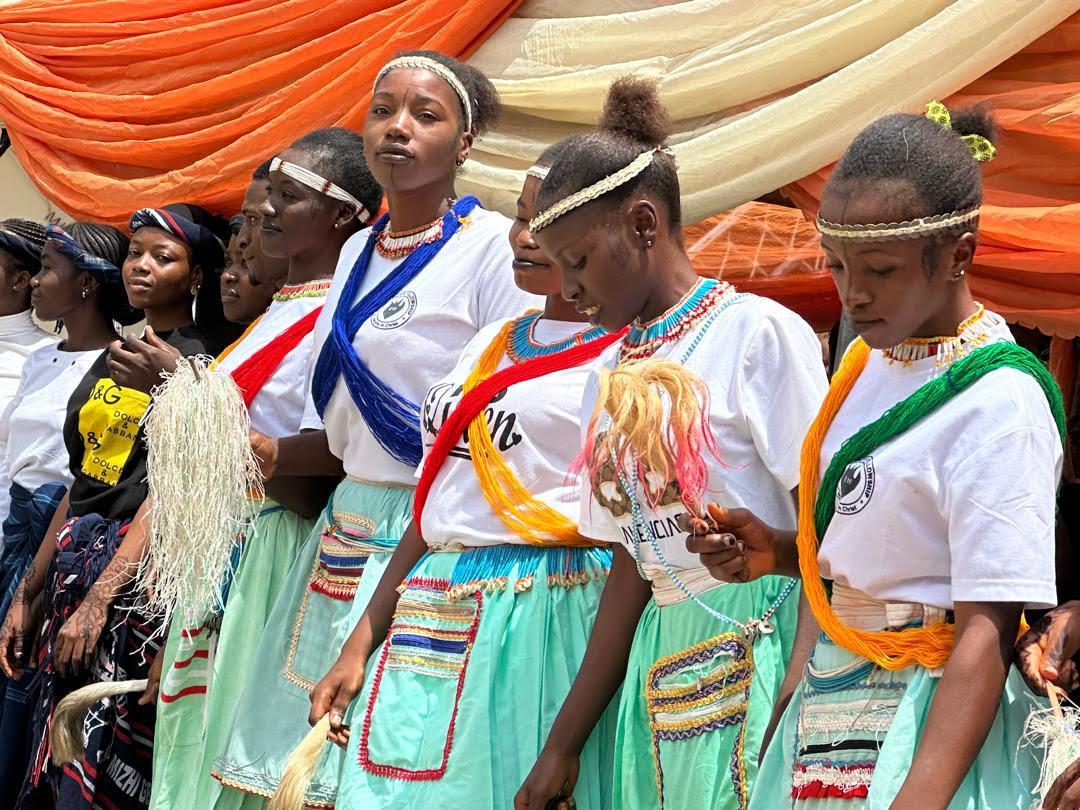
In a bold initiative to blend culture with environmental advocacy, the Womenhood School of Health Science and Technology hosted its annual Cultural Dance Day, centred on the theme “Communicating the Impacts of Climate Change Through Art and Dance.”
The event aimed to raise awareness of how climate change is affecting indigenous communities, particularly women whose lives are intricately tied to the land.
According to Nurudeen Bello, Director of the school and a representative of African Climate Reporters, the event was designed to harness the power of performance art as a means of storytelling and advocacy.
“Dance is not just entertainment; it is a powerful form of storytelling and advocacy,” Bello stated. “By incorporating indigenous songs, dances, and oral histories into climate campaigns, we can amplify the voices of communities often excluded from the global climate conversation.”
The celebration featured a vibrant array of traditional performances, with students representing various ethnic backgrounds using dance to narrate stories of environmental resilience and the challenges posed by climate change. Participants were encouraged to showcase cultural expressions that reflect the threats faced by their communities due to rising temperatures and environmental degradation.
“We invited students to showcase their cultural dances and raise awareness about how climate change is affecting indigenous communities, especially women in forested and rural areas,” Bello shared, underscoring the intersection of culture and the environment.
Hadi Abdullahi, the Provost and Head of Environmental Studies at the school, noted that while Cultural Dance Day has been an annual event for many years, this edition took a pronounced advocacy angle.
“This year, we used dance to highlight how climate change threatens not only the environment but also our cultural identities. It’s a creative way to spark conversations and drive home the urgency of action.”
The event attracted a delegation of scientists, geologists, and environmental experts from African Climate Reporters, who praised the initiative as an effective educational tool.
They highlighted the importance of engaging local communities in climate dialogue as a way to inspire grassroots action in the face of worsening environmental crises.
Attendees heard urgent warnings that climate change is not merely an abstract concern but a real and pressing issue that is driving mass migration across Africa, affecting both human and animal populations.
Also Read: Group Advocates Increased Funding For Culture, Creative Arts
Experts emphasised that rising temperatures, prolonged droughts, and increasing environmental degradation threaten the very fabric of vulnerable communities.
“As we gather to celebrate culture, we must also remember our responsibility to protect these cultures and the ecosystems that sustain them,” Bello concluded, urging immediate collective action to address the climate crisis and safeguard indigenous livelihoods.
The unique convergence of art and advocacy at the Womenhood School of Health Science and Technology serves as a testament to the creative approaches needed to tackle the multifaceted challenges posed by climate change interweaving culture and community resilience in a powerful call to action.