

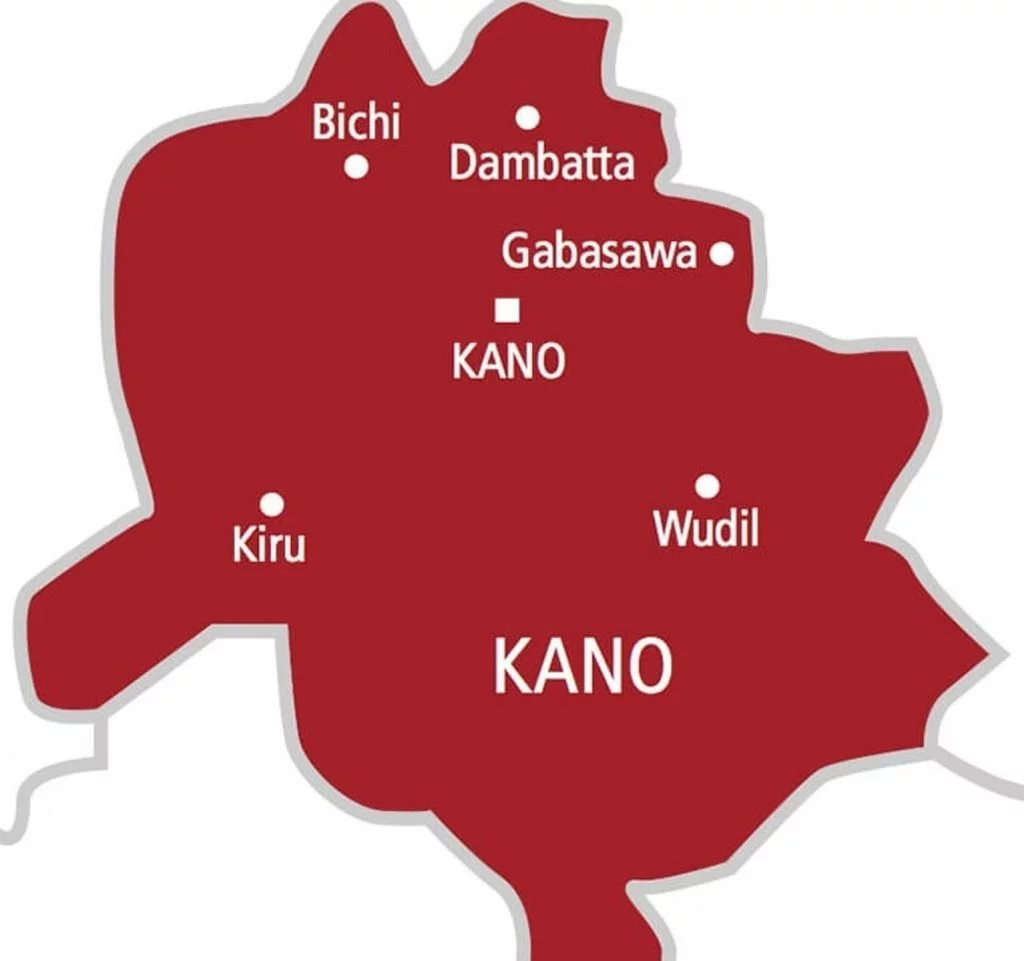
Kano State has stepped up efforts to combat Sexual and Gender-Based Violence (SGBV), as the National Agency for the Prohibition of Trafficking in Persons (NAPTIP), in partnership with Civil Society organisations, led a road walk to raise awareness and promote collective action against violence targeting women and girls, both online and offline.
The event, part of the global 16 Days of Activism Against SGBV themed “Unite to End Digital Violence Against All Women and Girls,” saw participants march from the NAPTIP zonal office through major roads to the Audu Bako Secretariat, distributing sensitisation materials to residents.
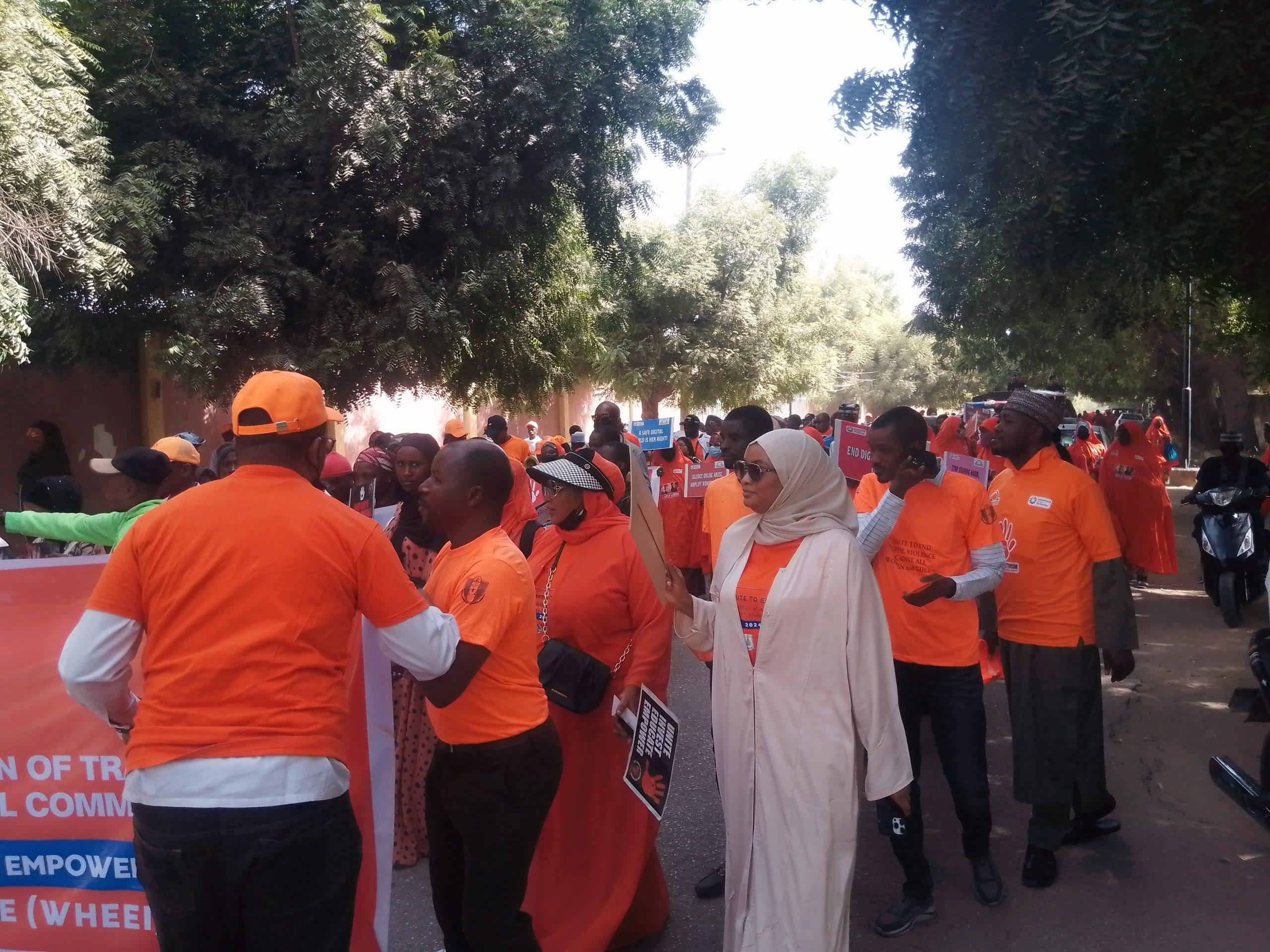
The rally was led by the Kano State Commissioner for Women Affairs, Children and Persons with Disabilities, Hajiya Amina Abdullahi, alongside NAPTIP Zonal Commander, Barrister Abdullahi Babale.
The Commissioner for Information and Internal Affairs, Comrade Ibrahim Abdullahi Waiya, who received the delegation, reaffirmed “the state government’s commitment to supporting federal initiatives aimed at protecting women and girls from gender-based crimes.”
Abdullahi urged the speedy passage of the Kano State Harmonised Penal Code Bill and the inauguration of a Child Protection Committee, saying the reforms were critical to addressing violence against vulnerable groups.
She said, “I would like to use this opportunity to present before you the long-awaited dreams of Kano State people of having a legal document which aims at addressing all forms of violence against vulnerable persons, titled draft Kano State Harmonised Penal Code Bill (the state version of the VAPP Act). Hence the imperative to pass the draft Harmonised Kano State Penal Code Bill into law, which ultimately hopes to reduce the high prevalence of abuses.”
Speaking on behalf of the Zonal Commander, Kano NAPTIP’s Head of SGBV, Hajiya Rasheedat Aminu, described the rally as “a key contribution to the nationwide campaign against SGBV.”
Stakeholders highlighted the need for stronger laws, enhanced enforcement, and empowerment programmes to curb rising cases of SGBV and digital abuse, stressing that coordinated action was vital to protect the rights and safety of all women and girls in Nigeria.
PIAK