
, at a time when climate change, biodiversity loss, land degradation and pollution are converging into what experts warn is a global emergency.)
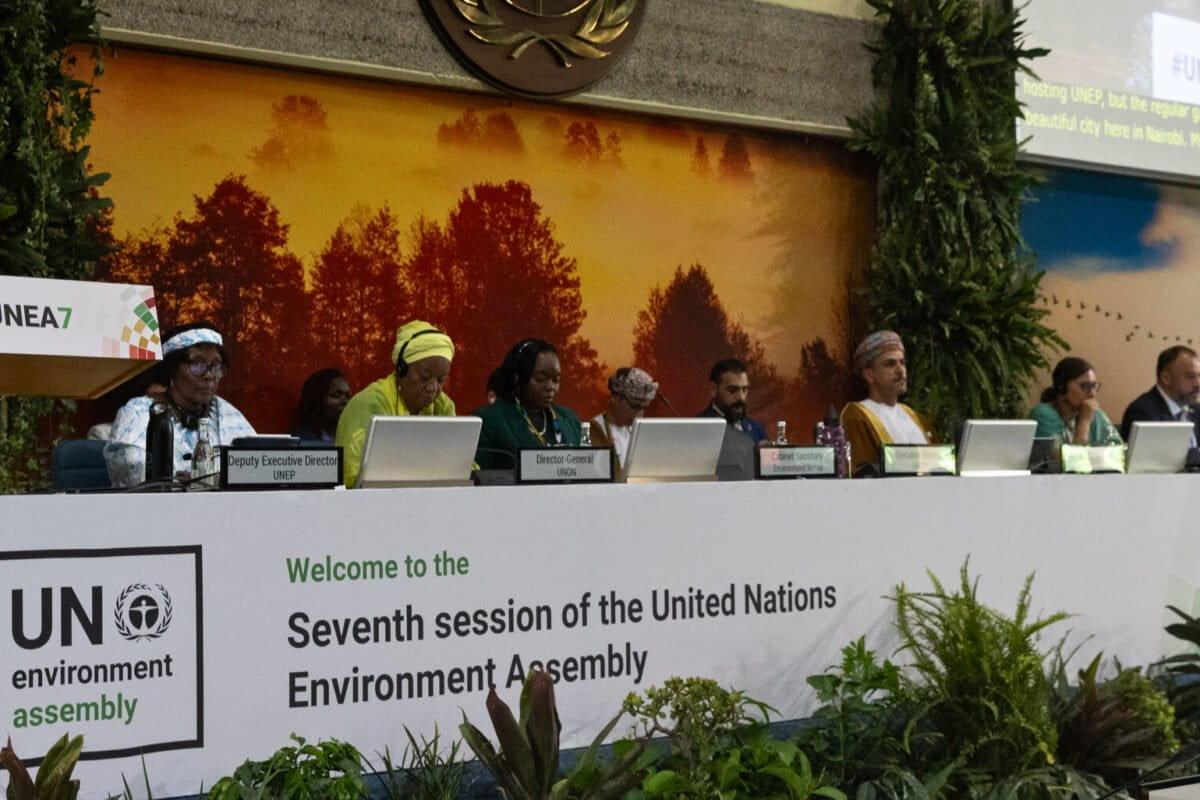
Delegates from more than 170 countries are meeting in Nairobi, Kenya, for the seventh session of the United Nations Environment Assembly (UNEA-7), at a time when climate change, biodiversity loss, land degradation and pollution are converging into what experts warn is a global emergency.
The assembly is expected to shape solutions to challenges ranging from melting glaciers to rising seaweed blooms and the environmental footprint of emerging technologies.
UN Environment Programme (UNEP) Executive Director Inger Andersen urged governments to seize the moment. “If we invest in a stable climate, if we invest in a healthy nature… then the world can enjoy significant economic gains, avoid millions of premature deaths, lift hundreds of millions of people out of poverty and hunger, deliver greater equity and climate justice and so much more,” she said.
Andersen stressed that no country can tackle the crisis alone and called for cooperation across borders and sectors to secure a healthy, pollution-free future.
Kenyan President William Ruto warned that Africa is already bearing the brunt of the crisis. “Across our continent, from failed harvests to destructive floods… Africans are paying the price for a crisis they did not create,” he said.
Ruto insisted that economic growth must be aligned with environmental action. “We can decouple growth from emissions and pollution… But this transformation must be fair, accessible and also affordable.”
UNEA-7, running from 8 to 12 December, aims to deliver “real solutions to real-world problems.”
Africanews/Hauwa M.