

The Kwara State Government, in partnership with the United Nations Children’s Fund (UNICEF), has launched targeted mental health and psychosocial support interventions for residents of Woro and Oke-Ode communities following recent deadly bandit attacks.
The intervention, which combines training with direct community-based services, is aimed at helping survivors—especially women and children—cope with trauma and rebuild their lives.
The two-day event, held in Ilorin, brought together community leaders, volunteers and professionals to strengthen support systems for affected residents.
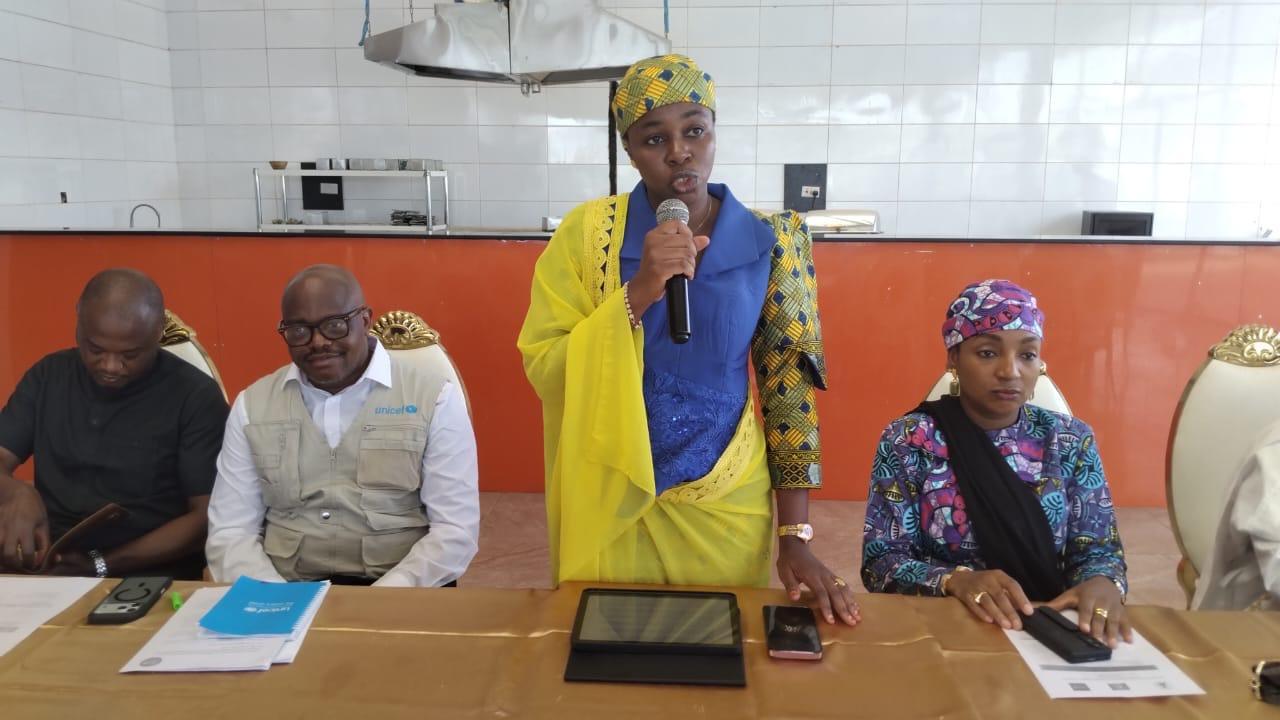
In her welcome remarks, the Commissioner for Social Development, Hajia Mariam Nnafatima Imam, described the training as “timely and critical” in addressing the psychosocial challenges arising from insecurity
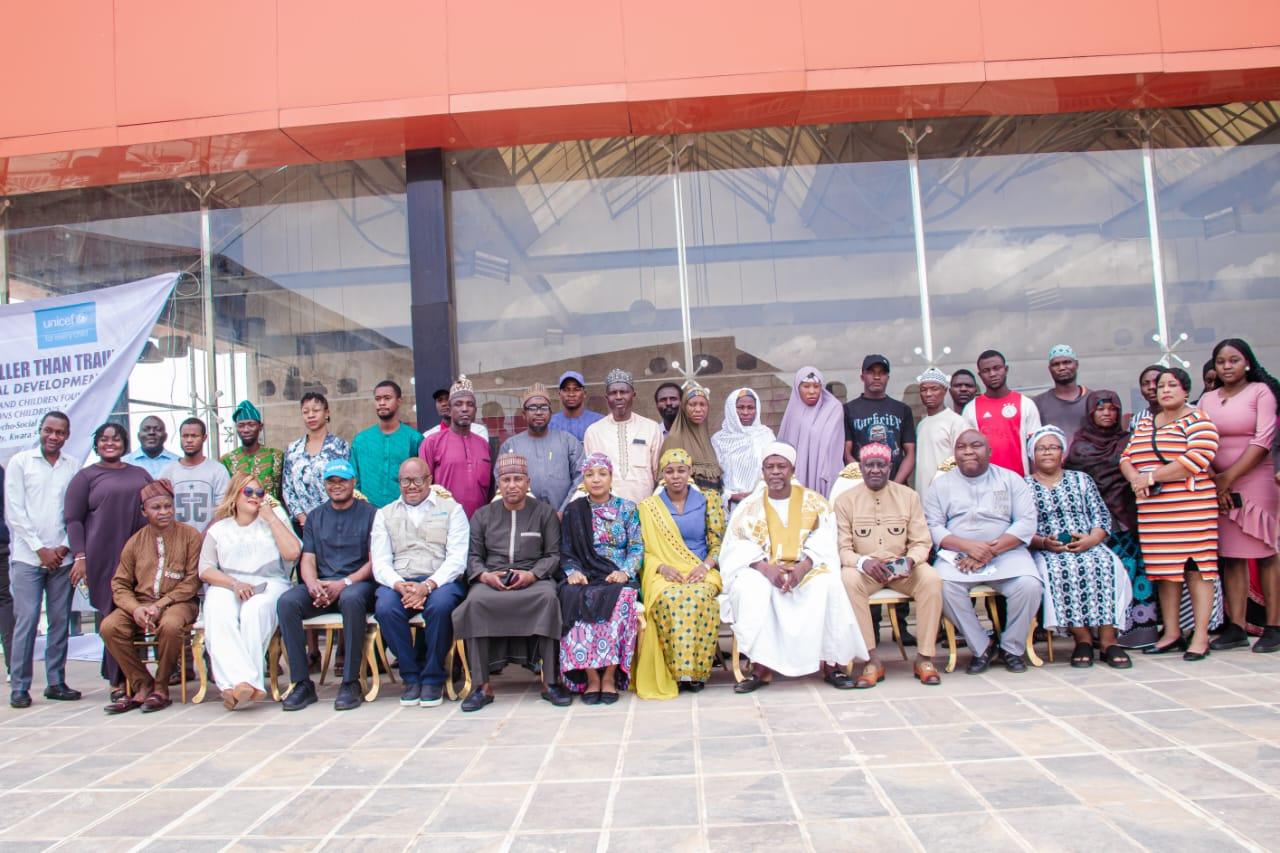
She explained that the workshop aimed at “raising awareness of mental health, particularly among women and children, and equipping participants, including teachers, social workers, healthcare professionals and women advocates, with the skills to identify, support and refer individuals experiencing trauma.”
Hajia Imam commended partners, including the Global Hope for Women and Children Foundation (GLOHWOC) and the United Nations Children’s Fund (UNICEF), for their commitment to strengthening community protection systems, urging participants to engage actively in advocacy, break stigma and foster a culture of care.
In her goodwill message, the Commissioner for Health, Dr Amina El Imam, praised the Governor of Kwara State, Mallam AbdulRahman AbdulRazaq, for his unwavering support for the people of Kwara and the affected communities.
She noted that her ministry had provided consumables to mitigate the impact of the attacks and pledged continued collaboration with the Ministry of Social Development to protect vulnerable populations.
Dr El Imam also expressed gratitude to UNICEF and called for further international support for infrastructure and psychosocial services.
The Commissioner for Education and Human Capital Development, Dr Lawal Olohungbebe, represented by the Permanent Secretary in the ministry, Mrs Rebecca Bake Olarewaju, highlighted measures to prevent disruption to education.
He noted that “school-in-a-box” kits would be distributed to displaced pupils to ensure continuity of learning.
The United Nations Children’s Fund (UNICEF) Child Protection Specialist, Dr Wilfred Mamah, reaffirmed the organisation’s commitment to supporting Kwara State through integrated services in health, education, WASH, nutrition and child protection.
He emphasised that the Woro tragedy had deeply affected children, many of whom witnessed traumatic events.
He described the inauguration of Mental Health and Psychosocial Support Services (MHPSS) as critical to creating safe spaces for healing and community-based support.
The Chief Executive Officer of the Global Hope for Women and Children Foundation, Dr Christiana Abayomi Oluwole, lamented the hardships faced by the Woro community and highlighted the workshop’s role in cushioning the economic and emotional toll of the tragedy.
She praised UNICEF for its support and expressed optimism that the training would help survivors overcome trauma.
Alhaji Umar Bio Saliu, Community Leader of Woro, recounted that the attack followed a threat letter from suspected bandits, which he promptly reported to security agencies and the Emirate Council.
Alhaji Umar appealed to the state government to intensify efforts to rescue those in captivity, particularly women and children, to restore peace and stability in the community.