


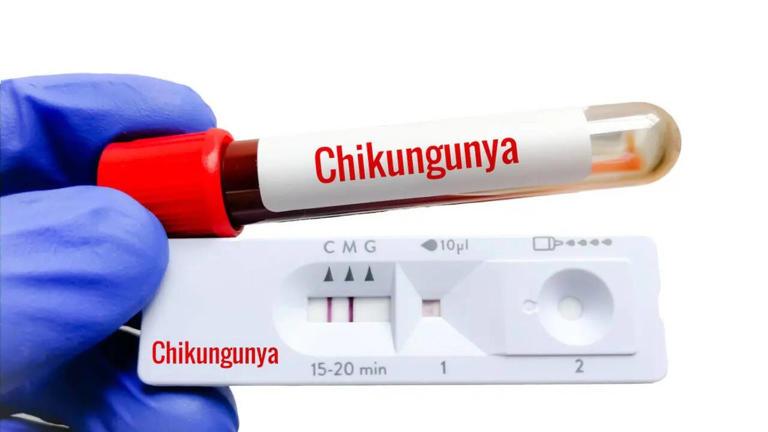
The Nigeria Centre for Disease Control and Prevention (NCDC) has issued a public health advisory, urging Nigerians to stay vigilant against Chikungunya, a mosquito-borne viral disease, amid rising global cases and fatalities.
The warning comes as the ongoing rainy season and flooding heighten the risk of mosquito breeding and potential outbreaks in the country.
According to the World Health Organization (WHO) and the European Centre for Disease Prevention and Control (ECDC), more than 240,000 Chikungunya cases and 90 deaths have been recorded in at least 16 countries in 2025.
China alone has reported nearly 5,000 cases since early July, with Guangdong Province accounting for about 3,000 cases in a single week.
Chikungunya is transmitted primarily by Aedes aegypti and Aedes albopictus mosquitoes, which also spread Dengue and Yellow Fever.
Unlike malaria-carrying Anopheles mosquitoes that bite at night, Aedes mosquitoes bite during the day, especially in the early morning and late afternoon.
The disease’s symptoms include sudden fever, severe joint and muscle pain, headache, nausea, fatigue, and rash.
While rarely fatal, the joint pain can persist for months, affecting quality of life.
NCDC Director General, Dr. Jide Idris, said no confirmed cases have been reported in Nigeria in 2025, but stressed that the nation’s environmental conditions, particularly in flood-affected areas could facilitate an outbreak if proactive measures are not taken.
“With global transmission on the rise and Nigeria’s climatic risks, now is the time for preventive action,” he stated.
The advisory reinforces earlier nationwide alerts on flood-related diseases such as Cholera, Yellow Fever, and Dengue.
READ MORE:Nigeria Records 822 Lassa Fever Cases, 155 Deaths—NCDC
It outlines key preventive measures including the use of insecticide-treated nets, wearing protective clothing, applying mosquito repellent, maintaining clean environments, and eliminating stagnant water where mosquitoes breed.
The NCDC, in collaboration with the National Arbovirus and Vector Research Centre (NAVRC) in Enugu and state governments, is enhancing surveillance, vector control, and public awareness campaigns.
“The agency is also working within the One Health framework, integrating human, animal, environmental, and climate sectors—to boost preparedness and response capacity”.
Dr. Idris urged Nigerians, especially those in high-risk areas, to seek medical attention promptly if they experience fever, rash, or joint pain, and to report suspected cases to health authorities.
He emphasised, “Together, we can protect our communities from mosquito-borne threats. Vigilance today will save lives tomorrow.”
For further updates or to report symptoms, the public can contact the NCDC toll-free line 6232 or visit www.ncdc.gov.ng.