


The Nigerian government has called for the adoption of sign language in schools to bridge educational gaps and ensure that girls with disabilities are not left behind.
The Minister of State for Education, Prof. Suwaiba Ahmad, made the call at the commemoration of the 2025 International Day of the Girl Child, organised by the Universal Basic Education Commission, UBEC, with the theme “Leada Change: Learn Sign Language Today.”
She said the event and the theme are a call to action to remove barriers to inclusion and widen access, ensuring that every girl, regardless of ability, background, or circumstance, has a voice, a seat at the table, and a path to success.
“To our girls, who navigate the world with unique challenges, I want you to know that doors of education are widening for you. Your dreams are legitimate, your contributions invaluable, and your futures bright with possibility,” Ahmad said.
“I call for the training of more sign language interpreters, the introduction of sign language across teacher-training curricula, and the equipping of classrooms with tools to support visual-gestural communication,” she said
Professor Suwaiba said, “Sign language is a bridge, not a barrier, as it connects minds, shapes friendships, and unlocks futures, with such emphasis laid on training more teachers in the area.
“We will train more sign language interpreters, introduce sign language across teacher-training curricula, and make it a recognised part of our national education framework,” she said
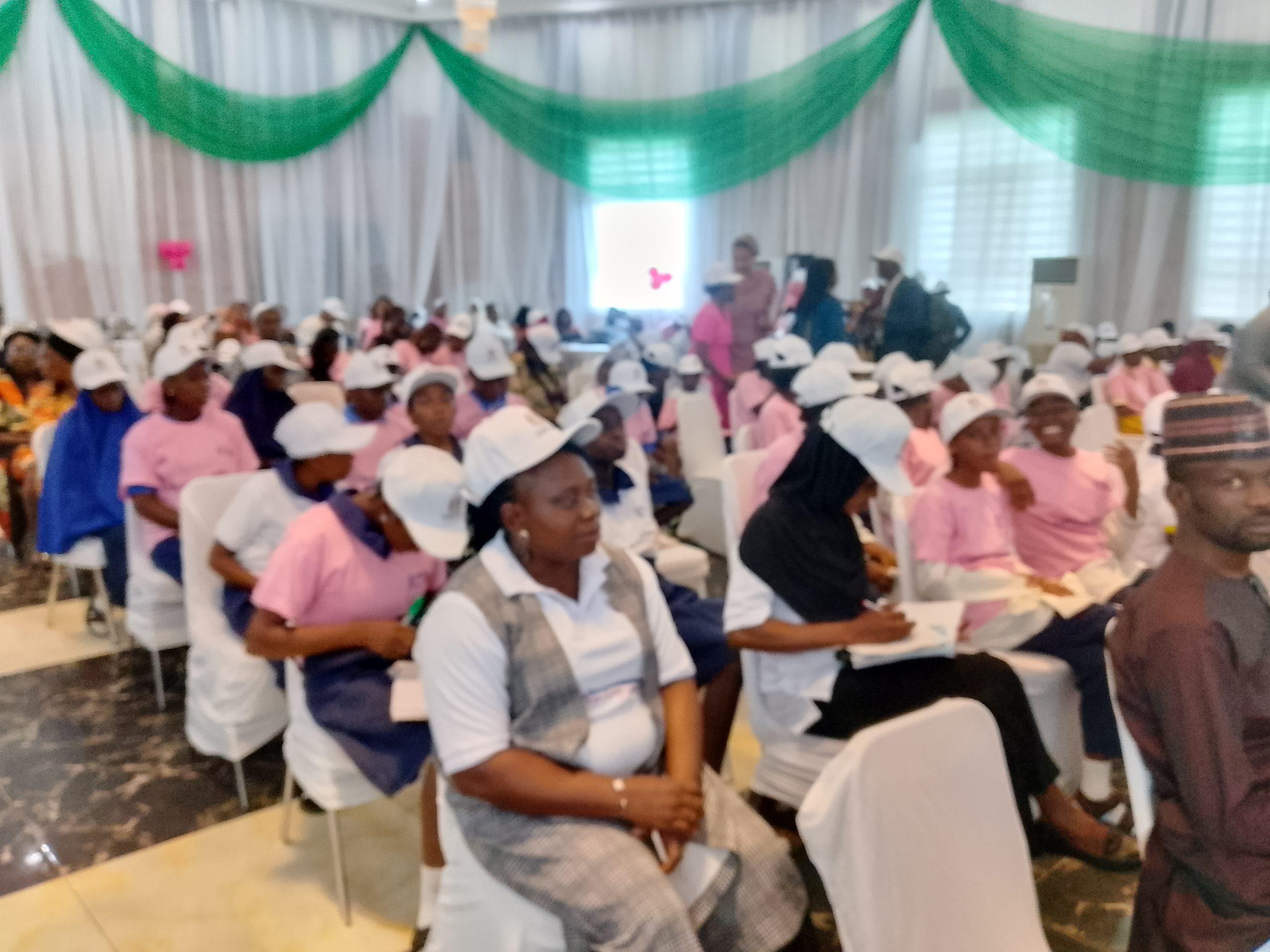
She noted that the commemoration reaffirms Nigeria’s commitment to inclusive education, the rights of persons with disabilities, and the belief that every girl can thrive when given the right support and opportunities.
She equally expressed the need for coordination among government agencies and stakeholders to ensure that every girl’s educational journey, from primary to secondary and vocational levels, remains inclusive and uninterrupted.
“The Universal Basic Education Commission has a crucial mandate: to ensure that every child has access to free, compulsory, and quality basic education. We will continue to expand inclusive education programmes, ensuring adaptive learning environments, sign language interpretation where needed, and teaching methodologies that meet diverse learning needs,” she said.
The minister acknowledged challenges such as poverty, stigma, and safety concerns that continue to restrict girls’ access to education. She, however, called for unified action and sustained policy alignment to overcome the challenges.
“Today, we choose to lead a change again and again by learning, by listening, and by acting together,” she added.