


Nigeria Government has commenced strategic reforms to address shortage of trained professionals in occupational therapy, audiology and speech therapy directing tertiary institutions to begin to include them in their Bachelor’s degree , higher and diploma programmes nationwide.
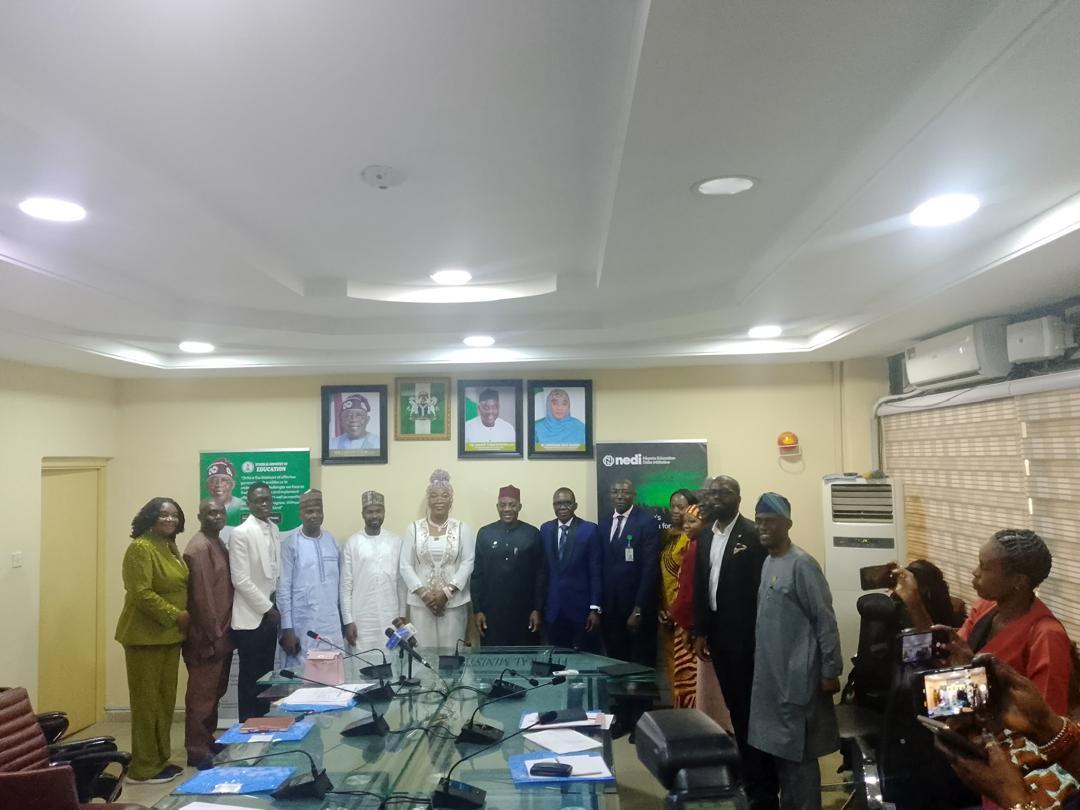
Minister of Education, Dr Tunji Alausa, stated this at the inauguration of the National Committee for the Advancement of Occupational Therapy, Audiology and Speech Therapy Education (NCAOTASE) in Abuja, Nigeria.
He explained that there was gap and demand for specialised healthcare and rehabilitation services across hospitals, schools and communities in Nigeria, as such there is the urgent need to build capacity in those areas.
“Children with autism, those that have challenges resulting from accident among others needs these specialized health care services. Unfortunately we are short of them in Nigeria to the extent that some families engage specialists from other countries. In the UK and other advanced nation autism is no longer a case.”
He said their services are not only needed for healthcare delivery but also, for inclusive education, social integration and improved national productivity.
Alausa explained that Nigerian universities currently do not have structured Bachelor’s degree programmes in those disciplines, while existing training opportunities remained limited and not fully aligned with global best practices.
“This gap has implications for service delivery, workforce development and our ability to meet both national and international standards.
“We have only two tertiary institutions offering certificates in this area and 8 others joining them recently. We can do more than that. Nigeria has a population of over 200 million, 30 percent of them are youth who needs this skills. After graduation they can work in country or outside and remit finances home,” he said.
The Minister enlisted the terms of reference of the committee to include: working with the universities interested in establishing degree programmes in occupational therapy, audiology and speech therapy.
“Guide curriculum development, accreditation processes, clinical training frameworks and faculty development requirements for the programmes.
“Collaborate with Medical Rehabilitation Therapists (Registration) Board of Nigeria (MRTB) to ensure compliance with regulatory requirements and international professional standards.
“Engage the National Universities Commission (NUC), university authorities and other stakeholders to promote sustainable funding and quality assurance for the programmes.
“Review academic and infrastructural requirements for universities seeking to run the courses and develop transition pathways for diploma-trained professionals to upgrade to degree qualifications,” he stressed.
The Minister, however warned against substandard or non-clinical training pathways capable of undermining professional standards in the emerging disciplines, stressing that NUC would ensure programme accreditation and standardisation, while TETFUND will fund the committee.
He said, the whole effort is aimed strengthening human capital development, which is in line with the Renewed Hope Agenda of the President Bola Tinubu’s led administration adding that it also aligns with the on going reforms under the Nigeria Education Sector Renewal Initiative (NESRI), aimed at expanding high-impact academic programmes and producing globally-competitive graduates.
Chairman of the committee, Dr Victoria Amu, who is also the Director, Occupational Therapist, Edo Specialist Hospital, Edo state said members will do all it can to ensure the success of the initiative as it will strengthen specialised rehabilitation therapy education in the country.
“This initiative which has been under advocacy and campaign for the past 20 years is coming to fruition to today. We will ensure it because a big success across tertiary institutions in the country and the society.
“Occupational therapy, audiology and speech therapy are essential but under-developed areas within Nigeria’s healthcare framework in spite of their roles in rehabilitation, communication support and inclusive development.
“The gaps in training, manpower development and institutional capacity in these specialised areas must be addressed without delay,” she said
Amu therefore pledged to promote collaboration among members and stakeholders to achieve the given mandate.
Members of the committee includes among others: Prof. John Emaimo, Vice-Chancellor, University of Medical Sciences (UNIMED), Ondo; Prof. Julius Ademokoya, Department of Special Education, University of Ibadan and Dr Paul Unufegan, Vice-Chancellor, Federal University of Allied Health Sciences (FUAHSE), Enugu. Dr David Atuwo, Senior Special Adviser to Minister of Education; Dr Isa Nurudeen, Medical Director, National Orthopaedic Hospital, Kano and Prof. Ebunoluwa Adejuyigbe, Provost/Medical Director, Neuropsychiatric Hospital, Aro, Abeokuta.