

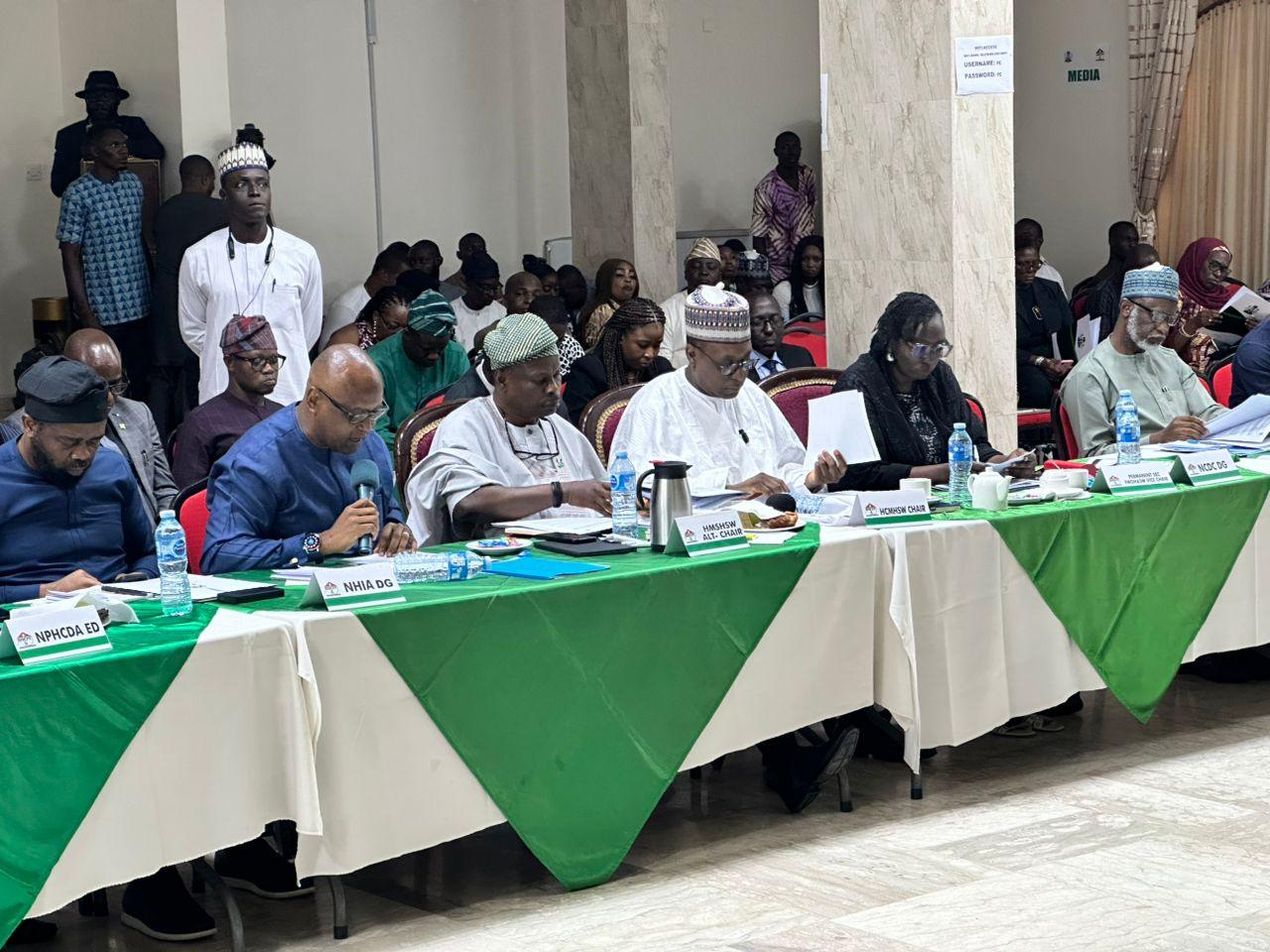
The Nigerian government, in collaboration with state governments, has announced the disbursement of ₦32 billion over a six-month period to enhance access to quality healthcare services across Nigeria.
Coordinating Minister of Health and Social Welfare, Professor Muhammad Ali Pate, disclosed this at the conclusion of the 11th meeting of the Ministerial Oversight Committee (MOC) on health, held in Abuja.
According to Pate, the funds—sourced from the Basic Health Care Provision Fund (BHCPF)—will be released in two tranches: ₦16 billion for the first quarter and another ₦16 billion for the second quarter of the year.
The initiative forms part of the Health Sector Renewal Investment Programme.
He attributed the progress recorded to strong collaboration among federal, state and local governments, as well as private sector and development partners.
“At least 37 million Nigerians have accessed services through the BHCPF. That is a landmark achievement and a testament to joint efforts across all levels of government and stakeholders,” he said.
Pate emphasised that transforming Nigeria’s primary healthcare system requires shared responsibility, noting that no single tier of government can manage the sector alone.
On the issue of 50,000 Nigerians diagnosed with tuberculosis but yet to commence treatment, the minister assured that the 2025 national budget makes provision for procurement of necessary medications.

He stressed that the increase in TB detection was a result of intensified screening efforts and improved testing.
The minister also highlighted broader fiscal reforms, such as the removal of fuel subsidies and the signing of a simplified tax bill, as measures to boost domestic revenue to fund critical sectors like health.
“Good healthcare is not cheap healthcare,” he said.
“Countries must invest in it. Nigeria is investing in it, and we will continue to encourage both federal and state governments to do more, thereby reducing reliance on donor funding.”
Read Also: Expert Urges Nigerian Government to Regulate Antibiotics Use
Also speaking, Minister of State for Health and Social Welfare, Dr Iziaq Salako, reiterated that transparency and inclusivity are central to the effective implementation of the BHCPF.
He noted that the open nature of the fund’s governance is attracting increased participation from state governments, civil society organisations, and other health stakeholders.
Salako further reported a significant rise in health insurance subscriptions across the country, attributing this to improved coordination, communication and service delivery.
He highlighted the impact of President Bola Tinubu’s Executive Order on unlocking the healthcare value chain, adding that key developments shared at the MOC meeting demonstrate progress in line with the President’s agenda to revitalise the sector.
Chairman of the Nigerian Health Commissioners’ Forum and Ekiti State Commissioner for Health, Dr Oyebanji Filani, commended the Tinubu administration for prioritising reforms in primary healthcare.
“Primary healthcare centres across the country are undergoing renovation. Beyond infrastructure, we are equipping facilities, training personnel and ensuring consistent availability of commodities to deliver quality care,” he stated.

Dr Filani added that improved service delivery is contributing to better health outcomes and increased productivity among Nigerians.
In a leadership update, Dr Ogbe Oritseweyimi was announced as the new Secretary of the BHCPF Ministerial Oversight Committee.
A seasoned health governance expert, Dr Ogbe previously served as National Lead for BHCPF at the National Primary Health Care Development Agency (NPHCDA).
In his new role, he will coordinate the MOC’s oversight functions, align stakeholder efforts, and drive continued reforms in primary healthcare financing.
Meanwhile, the MOC resolved to enhance public visibility of ongoing health sector reforms and achievements by strengthening strategic communications and deepening media engagement.
The BHCPF remains a cornerstone of the federal government’s strategy to achieve Universal Health Coverage (UHC), particularly for vulnerable populations reliant on primary healthcare services.