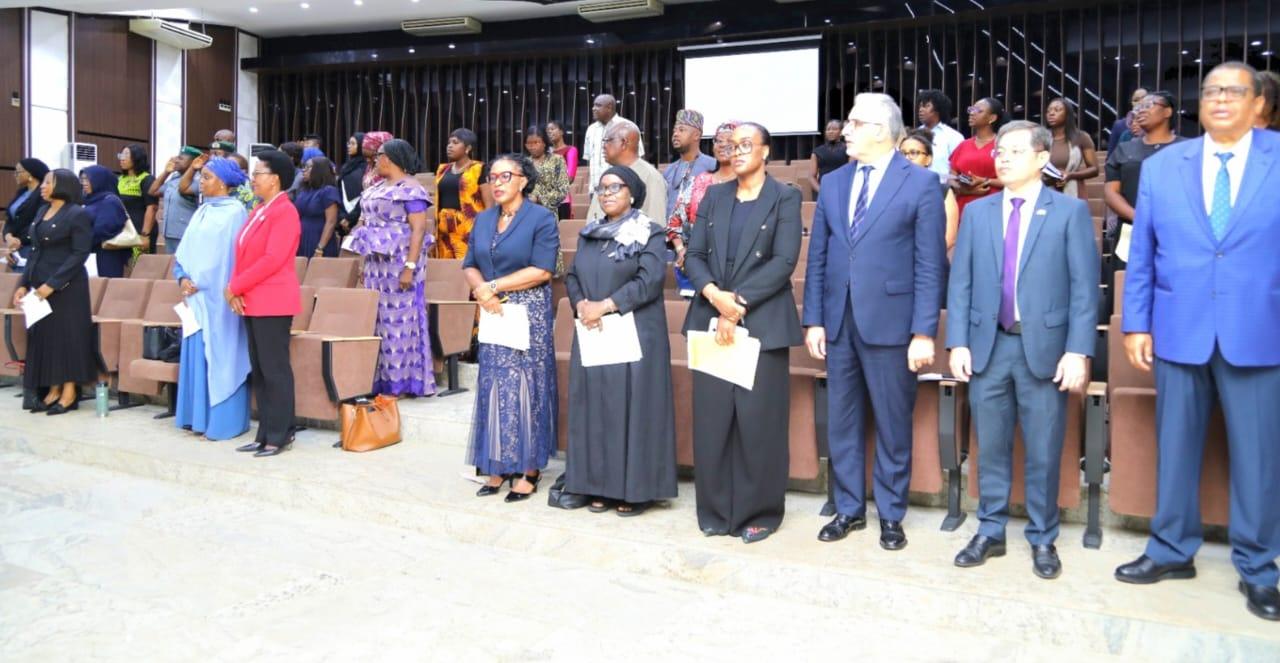
A judge of the Federal Territory High Court, Angela Otaluka, has called for a gender-responsive justice system that is “deliberate, inclusive, and sensitive to the realities of those it serves,” emphasising the urgent need to close gaps in access, accountability, and protection for women and girls across Nigeria.
Delivering the keynote address at the International Women’s Day 2026 High-Level Dialogue organised by the Federal Ministry of Justice and UN Gender Theme Group Nigeria in Abuja, she stated that the theme, “Equal Justice for Women and Girls in Nigeria: Strengthening Inclusive Gender-Responsive Justice Systems,” is “not merely aspirational; it is a constitutional, moral, and developmental imperative.”
Highlighting prevailing challenges, she noted that “women and girls in Nigeria still continue to face some barriers in accessing justice”, citing “entrenched cultural and societal norms”, “economic dependency”, and “delays and inefficiencies within the justice system”.
Justice Otaluka stressed that gender-based violence “remains a grave and pressing concern”, constituting “a direct assault on the dignity, security and equality of women and girls under our law.”
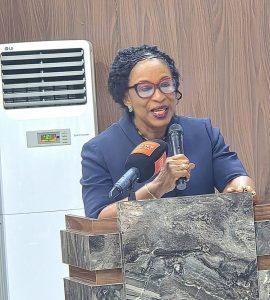
She commended ongoing reforms, including specialised courts that enhance access and responsiveness, stating that “our justice system has woken up to the alarming and constant call to the protection of the vulnerable.”
Underscoring core justice obligations, she outlined that institutions “must ensure accessibility. Promote Accountability. Protect Survivors. Strengthen Legal Frameworks against discrimination.”
Integrating concrete solutions, she emphasised that we must move beyond rhetoric to practical reforms that deliver real and measurable impact, including “capacity building for judges, prosecutors, and law enforcement on gender sensitivity”; “the establishment of specialised courts or units for GBV cases”; “the integration of technology to reduce delays and enhance transparency”; and “strengthening legal aid systems to support indigent women and girls.”
Emphasising collaboration, she noted that “no single institution can address these challenges alone”, calling for coordinated efforts across “government institutions”, “civil society organisations”, and “international development partners”, as well as “traditional and religious leaders”.
Reinforcing inclusivity within the justice system, she urged “intentional efforts to promote greater participation of women in leadership positions” alongside “safe, respectful and equitable working environments” and structured mentorship for young female legal practitioners.
She concluded with a call to action: “Ensure that in Nigeria, justice is not a privilege for a few but a right guaranteed to all women and girls.”