


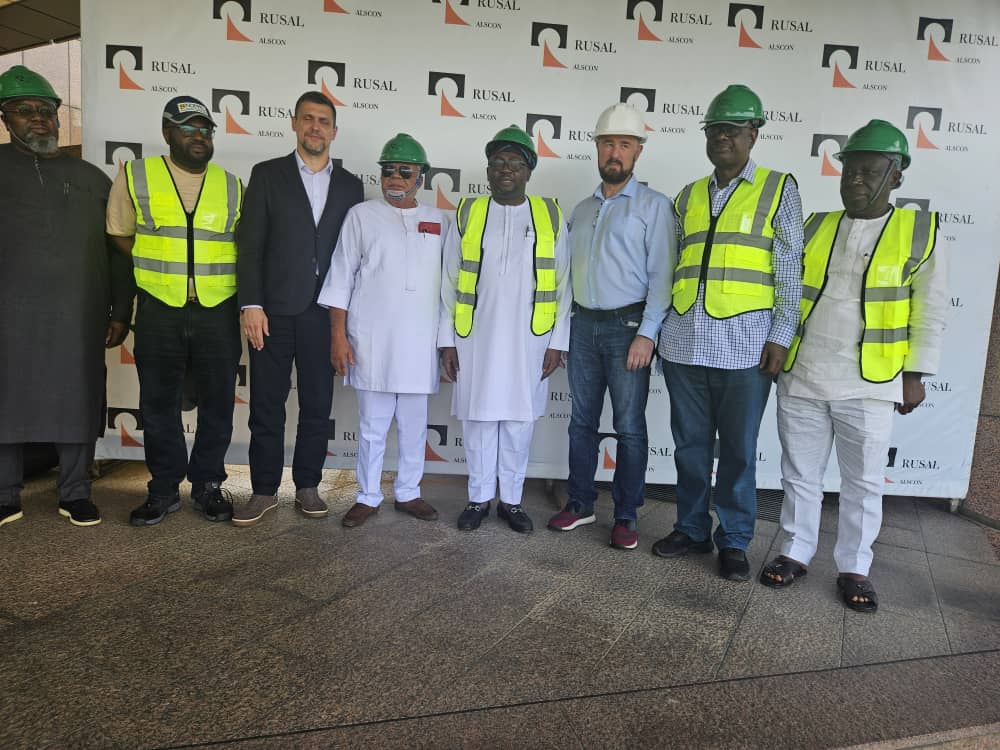
The Nigerian government has reaffirmed its commitment to reviving the long-dormant Aluminium Smelter Company of Nigeria (ALSCON) in Ikot Abasi, Akwa Ibom State, with a pledge to complete the 330 KVA substation and reconnect the plant to the national power grid.
The initiative, led by the Minister of Power, Mr Adebayo Adelabu, is regarded as a crucial step towards restoring ALSCON’s operations, unlocking its vast industrial potential, and contributing significantly to Nigeria’s power generation capacity.
When fully operational, the ALSCON power plant is expected to inject 540 megawatts of electricity into the national grid and create more than 15,000 direct and indirect jobs for Nigerian professionals and young people.
During a recent working visit to the facility, Mr Adelabu expressed concern that, despite being established over three decades ago, ALSCON had remained largely non-functional due to the absence of a reliable electricity supply.
He described the situation as a missed opportunity for Nigeria’s industrial and energy sectors.
“For 27 years, ALSCON has suffered from a lack of grid connection, despite being a massive national investment with immense potential across the aluminium value chain,” he said.
“This plant can supply raw materials to downstream aluminium producers, save Nigeria millions in foreign exchange, and drive large-scale employment.”
Temporary and Long-Term Power Solutions
Mr Adelabu revealed that in the short term, the Federal Government was working to connect ALSCON temporarily to the national grid while fast-tracking the completion of the long-delayed 330KVA substation, which was initially developed by the Niger Delta Power Holding Company (NDPHC).
He disclosed that the substation was already 90 per cent complete.
“The immediate plan is to get ALSCON powered through a short-term grid connection. But we are also working with NDPHC and contractors to complete the 330/132KV substation and transmission lines within the shortest possible time,” he assured.
He added that once completed, the infrastructure would enable the evacuation of ALSCON’s full 540MW generation capacity to the grid, with the potential for expansion to 660MW through future upgrades.
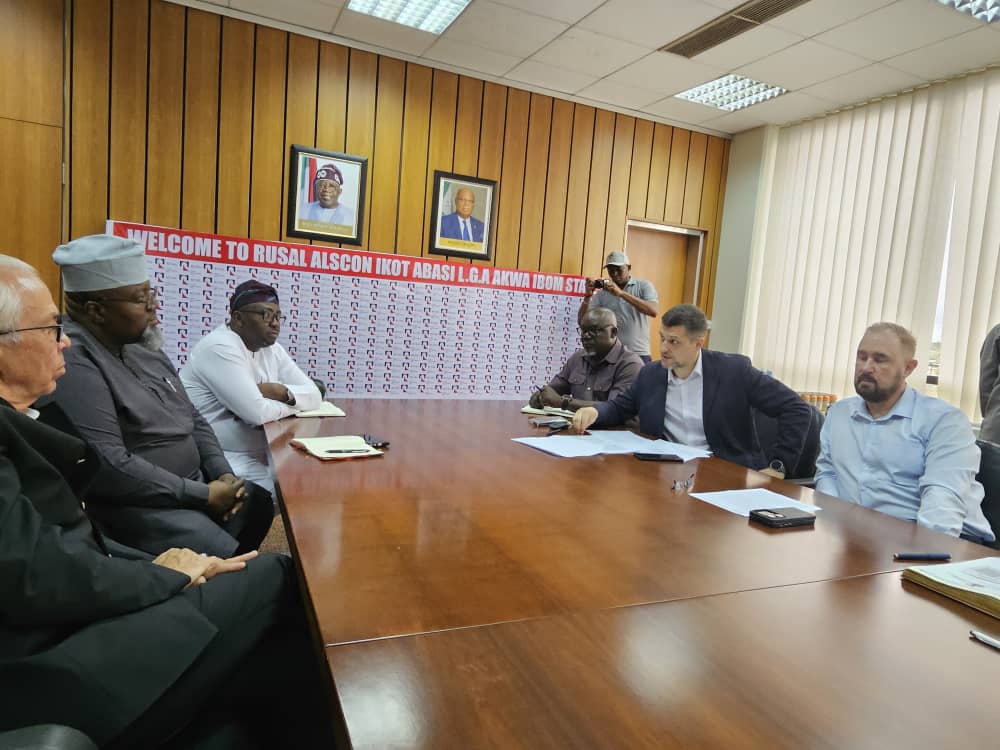
Unlocking Economic Potential and Grid Stability
The Minister stressed that reviving ALSCON was not only key to Nigeria’s industrial growth but also critical to the stability of the national electricity grid.
“This plant’s operation will impact Nigeria’s Gross Domestic Product (GDP) positively and reduce the country’s dependence on imported aluminium materials.
“We’re committed to supervising the implementation of the action plans. In the next 90 days, Nigerians will begin to feel the impact,” Mr Adelabu said.
Gas Supply and Commercial Viability
Addressing concerns about gas supply for the plant’s turbines, Mr Adelabu explained that the solution lay in achieving commercially viable agreements with gas producers.
“The infrastructure is there. The gas pipeline is less than 500 metres away and functional. It’s a matter of agreeing on a fair price with gas companies, and the turbines can be fired immediately,” he noted.
Earlier, the Development Adviser to ALSCON, Mr Viacheslav Krylov, outlined the challenges that have hindered operations, including the lack of a stable and high-capacity power supply, despite a presidential directive in July 2024 to restart the plant.
He explained that full operations would involve reaching a production capacity of 200,000 metric tonnes annually within six years and could employ over 15,000 Nigerians.
“Smelting is a power-intensive process that requires uninterrupted, high-volume electricity. The current energy options are insufficient to restart the plant without a reliable backup,” Mr Krylov said.
He urged the government to enhance grid reliability and consider Power Purchase Agreements (PPAs) that would allow ALSCON to contribute surplus power to the national grid — a move he said would improve grid stability and provide the company with additional revenue.
“Wheeling excess power to the grid will not only boost national electricity capacity but also sustain the company financially,” he added.
The Nigerian government’s renewed commitment to reviving ALSCON marks a significant step towards industrial rejuvenation and energy diversification.
With decisive execution and effective collaboration among key stakeholders, the long-awaited revival of ALSCON — and its transformation into a contributor to both economic growth and energy security — may soon become a reality.