The Nigerian Government has called on citizens to prioritise investment in mass literacy, stressing that the nation’s future and sustainable development depend on it.
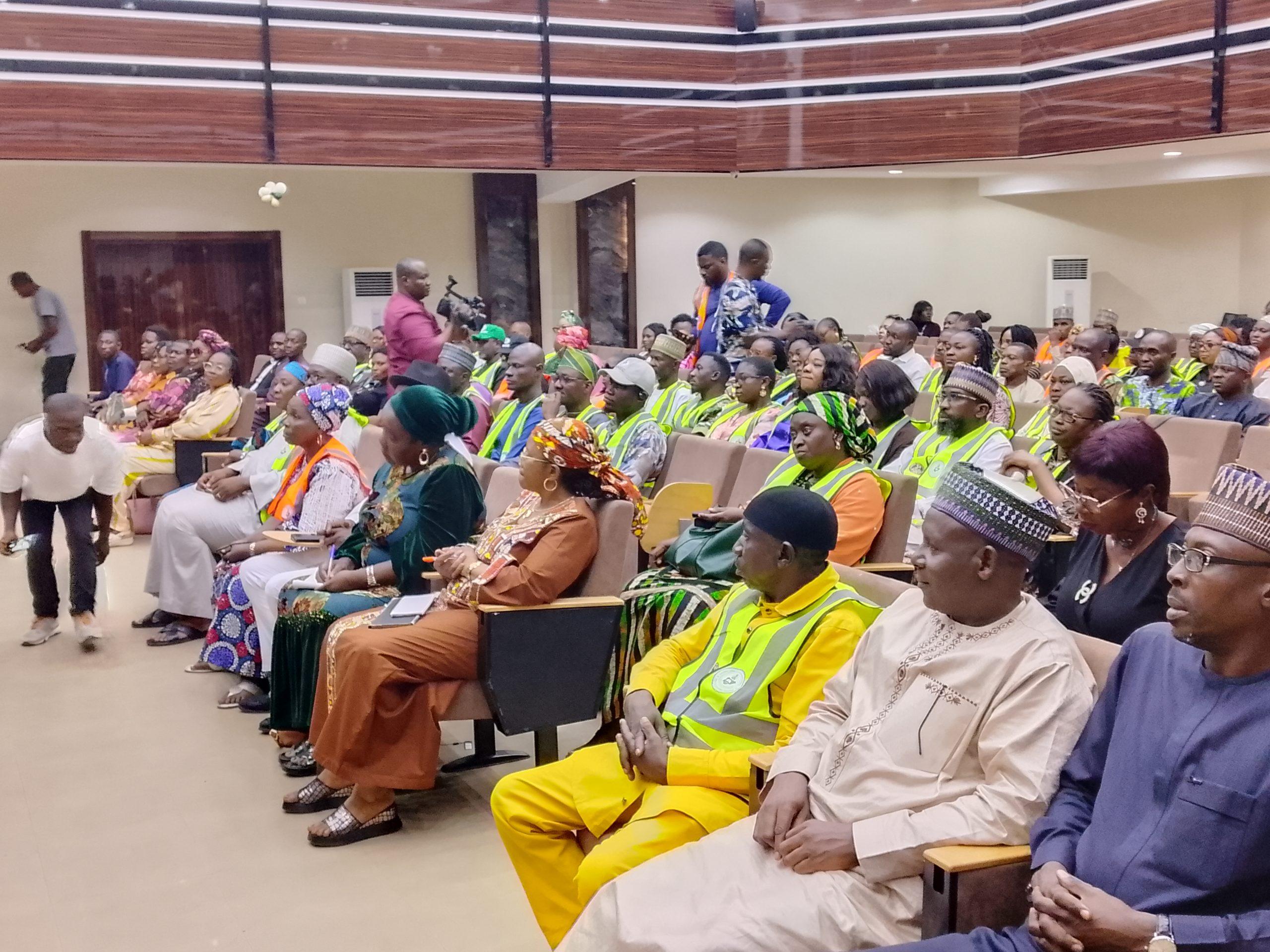
Minister of State for Education, Professor Suwaiba Ahmad, made the call in Abuja at an event to mark the 58th International Literacy Day, themed “Promoting Literacy in a Digital Era.”
Professor Ahmad said the appeal was necessary as the government cannot achieve the goal alone.
She said; “I invite every Nigerian to invest in Mass Literacy, because the future of our nation depends on it. Through our powerful call to action, ‘Each One, Teach One or Fund the Teaching of One,’ we can turn this vision into reality. Whether by sharing knowledge or supporting those who do, each of us has a role to play.
“Let us recommit ourselves to this mission. Because when we empower one person with literacy, we unlock the potential of entire families, uplift communities, and lay the foundation for a more inclusive, prosperous Nigeria where no one is left behind.”
According to the Minister, this year’s theme, “Promoting Literacy in a Digital Era,” is timely as it reflects the realities of today, where the ability to read, write, and engage digitally is no longer a luxury but a necessity.
“We are also embracing the digital age. From mobile learning platforms to radio and television programs, we are using technology to reach learners wherever they are in cities, villages, IDP camps, and remote communities.
“We are working with partners to adapt proven models like Cuba’s ‘Yes, I Can’ to our local context, ensuring that literacy is not just taught, but lived,” Professor Ahmad said.
She stressed that Nigeria recognises literacy as the foundation of development, which is why the Federal Ministry of Education is taking bold steps to expand access for all Nigerians, especially youth and adults aged 15 and above.
The Minister said; “Right now, across the country, we are conducting a comprehensive mapping exercise to identify those who are out of school or non-literate. With this data, we will be able to enrol millions into literacy programmes that are relevant, inclusive, and empowering.
“Our goal is clear: to achieve Sustainable Development Goal 4.6, which calls for all youth and a substantial proportion of adults to achieve literacy and numeracy by 2030. This is not just a global target; it is a national priority. And it is fully aligned with our Ministerial Strategic Plan, which places education at the heart of Nigeria’s transformation.”
Professor Ahmad explained that the government, through the Ministry of Education, is training facilitators, developing culturally relevant materials, and building community learning centres.
“But more than that, we are building hope that every Nigerian, regardless of age or background, can learn, grow, and thrive.
“But we cannot do this alone. I call on our development partners, civil society organisations, traditional leaders, and the private sector to join us. Literacy is not just the responsibility of the government. It is a shared mission. Together, we can build a Nigeria where every citizen has the tools to succeed in a digital world,” she said.
The Acting Head of Sector Education at UNESCO, Oladeji Adeyemi, in his remarks, said this year’s theme resonates profoundly with the challenges and opportunities of our time, as it is a powerful reminder that literacy is no longer just about the ability to read and write on paper.
Adeyemi said; “It is about empowering our citizens to navigate, critically evaluate, and thrive in a world increasingly shaped by digital technology.
“UNESCO firmly believes that literacy is a fundamental human right and a powerful catalyst for sustainable development, peace, and social inclusion. We commend the Federal Ministry of Education for its unwavering commitment to this cause.
“The Nigeria Education Sector Renewal Initiative (NESRI), which has the reduction of out-of-school children as one of its priorities, is highly commendable.”
Adeyemi noted that literacy is more than a skill, stressing that it is a tool for empowerment, a foundation for peaceful societies, and a bridge to a more sustainable future. As such, UNESCO remains a steadfast partner in Nigeria’s educational journey.
“Our ongoing collaboration includes initiatives focused on teacher training, skills development, and promoting media and information literacy. We are dedicated to supporting the government’s efforts to create an education system that is not only accessible and equitable but also resilient and responsive to the needs of the 21st century.
“On this World Literacy Day, let us reaffirm our commitment to a world where every individual, regardless of their background or location, has the opportunity to read, to learn, and to thrive in both the physical and the digital worlds,” he said.
The Acting Executive Secretary of the National Commission for Mass Literacy, Adult and Non-Formal Education (NMEC), Dr. John Edeh, on his part, said the anniversary is a call to action for all educators, advocates, and community builders to reaffirm something powerful, that literacy should never be a privilege reserved for a few, but a right guaranteed for all, especially adults and adolescents.
“Who have never been to school and cannot read or write and for whom basic literacy and numeracy skills can open a gate to lifelong learning, adults and adolescents who are above school-going age but have not achieved reading, writing and numeracy competencies,
“Young adults who left school before acquiring basic education due to factors such as conflict, pregnancy, ill health or death of a parent, etc. early school leavers who could not stay on to achieve permanent literacy for effective work, school leavers with different educational attainments who are working in various government ministries and the private sector,” he said.
On the theme, Dr. Edeh said technology is transforming everything at NMEC, as the belief has now been turned into action.
“For instance, our target for digital enrolment for youth and adults of 15 years and above, for Abuja Municipal Area Council (AMAC), was 3,876 learners. As of this morning, we’ve enrolled over 27,000 youth and adult learners, aged 15 and above, into literacy and empowerment programmes.
“These learners come from vibrant communities like Apo Mechanic Village, Karonmajigi, Lugbe, Dogongada, Apo Resettlement, Gwarinpa, Kubwa Village, Mararaba, Kurudu, and Gwagwalada, all in Abuja. We set out with a modest goal, and we have already surpassed it. But we are not stopping here.”
Dr Edeh said; “In the days ahead, we’ll be expanding this initiative to 377 Local Government Areas across all 36 states and the FCT, and through our 17 community learning centres, we are going to reach thousands more.
“In all, we are embracing digital tools such as radio, TV, and mobile apps to make learning more accessible, more flexible, and more relevant to people’s lives.”