Architecture students of Baze University, Abuja, have concluded their 2026 Live Project exercise, reflecting ongoing efforts within Nigeria’s higher education sector to link academic training with practical responses to urban and humanitarian challenges.
The project presentations, held in January 2026, involved postgraduate students of architecture (MSc) and 300-level undergraduate students. The exercise forms part of the Department of Architecture’s experiential learning framework, which integrates classroom instruction with site visits, client engagement and professional practice.
For the postgraduate component, the students worked on a design brief developed in collaboration with the National Commission for Refugees, Migrants and Internally Displaced Persons (NCFRMI). The exercise was supervised by Dr Oumar Mohammed, with coordination by the Head of Department, Dr Chinwe Sam-Amobi.
As part of the programme, the MSc students visited a proposed project site in Keffi, Nasarawa State, where they engaged with officials of the Commission. The visit exposed them to practical considerations in designing infrastructure for displaced populations, including sustainability, service delivery and human-centred planning.
Following the site visit, the students produced conceptual design proposals based on identified needs and site conditions. The designs were subsequently presented and submitted for academic assessment. According to the department, the exercise was aimed at improving students’ professional communication skills and understanding of public-sector project requirements.
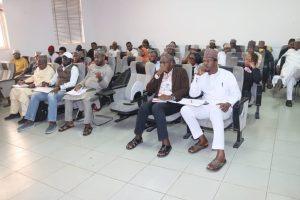
The undergraduate segment involved 300-level students who undertook a studio-based live project informed by field studies of Gishiri Model City, located near Abuja’s Maitama District. Their design brief focused on land subdivision, transportation planning and waste management, with emphasis on regulatory compliance and urban liveability.
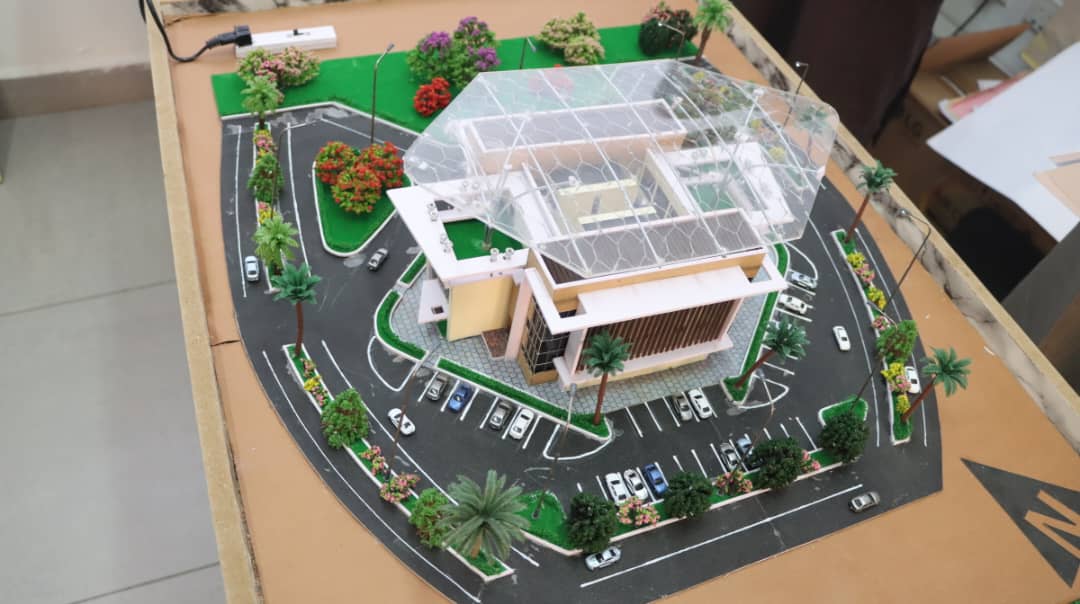
The undergraduate students were supervised by Dr Amina Batagarawa and Arc. Salisu Tyabo Usman. The exercise included collaborative studio work, design iterations and the production of physical models.
At a time when Nigerian cities, like many across Africa, are grappling with rapid urbanisation and population displacement, the project highlights the role of locally trained professionals in developing context-specific solutions to social and infrastructure challenges.