


Nigeria’s expanding security engagement with Türkiye is a strategic shift toward defence diversification, intelligence-led counterterrorism and reduced dependence on traditional Western allies.
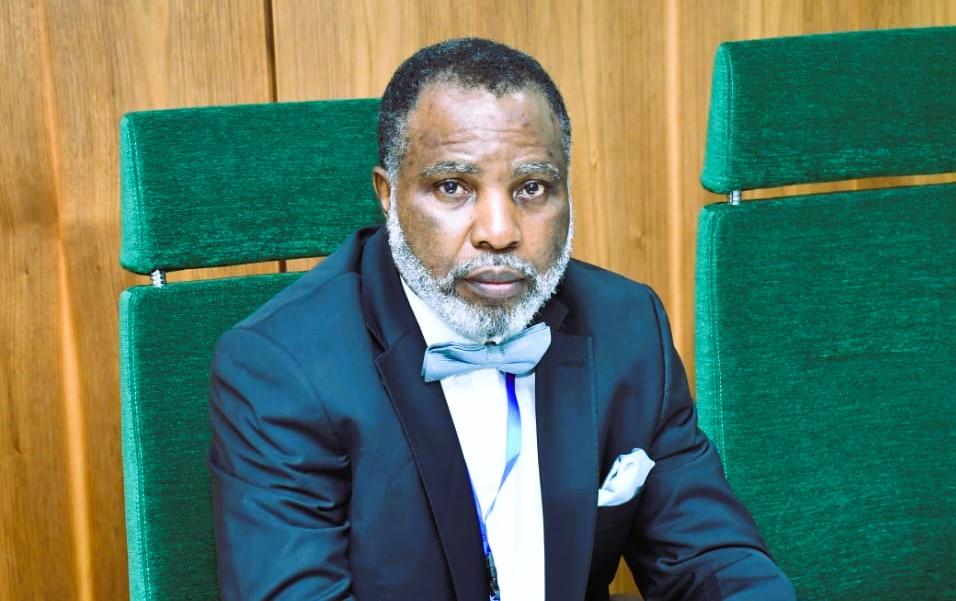
A Security Analyst and Disarmament expert, Dr Dickson Orji stated this while speaking in an interview with Voice of Nigeria.
According to Dr. Orji, President Bola Tinubu’s visit to Türkiye, accompanied by senior security and defence officials, reflects a deliberate effort to leverage Türkiye’s counterterrorism experience, defence manufacturing capacity and intelligence frameworks.
According to him, Türkiye’s geographic position and long-running counterterrorism campaigns provide practical lessons for Nigeria’s evolving asymmetric security challenges.
He said Türkiye’s experience managing militant and terrorist groups, positions it as a relevant partner for Nigeria’s security recalibration, noting that the engagement goes beyond diplomacy and is rooted in operational security priorities.
Dr Orji, a former Programme Manager of the Presidential Committee on Small Arms and Light Weapons, and a current partner of the National Centre for the Control of Small Arms and Light Weapons, said Türkiye’s prolonged fight against ISIS-linked and other extremist groups offers adaptable intelligence and combat strategies.
He stressed that Nigeria’s cooperation with Türkiye must be sustained through continuous institutional engagement rather than ceremonial agreements, urging regular interfaces between Nigerian and Turkish defence, intelligence and security institutions to enable peer review and operational learning.
According to Dr Orji, Nigeria’s outreach to Türkiye also reflects a calculated expansion of defence procurement and production options.
He noted that Türkiye’s capacity to manufacture helicopters, fighter jets, weapons and ammunition provides Nigeria with alternatives beyond its traditional defence markets.
He described the composition of Nigeria’s delegation, including the National Security Adviser, Minister of Defence, Director General National Intelligence Agency and the Chairman of the House Committee on Defence, as evidence that the engagement was driven by strategic and operational imperatives rather than symbolic diplomacy.
Dr Orji further linked Türkiye’s growing interest in Nigeria to economic considerations, noting that Turkish investments in Nigeria currently exceed two billion dollars, with plans to scale up significantly.
He said security stability is critical to safeguarding those investments.
He identified the Sahel corridor as a shared security concern, describing it as a major transit route for arms trafficking, terrorism and transnational crime.
According to him, similarities between militant networks operating around Türkiye’s periphery and those active in West Africa make strategic cooperation more feasible.
Beyond bilateral relations, Dr Orji warned that policy discontinuity remains a major obstacle to sustaining defence partnerships in Nigeria.
He said frequent abandonment of existing frameworks by successive administrations undermines long-term security planning.
He also faulted the exclusion of the legislature from many defence agreements, warning that failure to domesticate security accords weakens implementation and continuity.
On Nigeria’s internal security priorities, Dr Orji called for urgent investment in intelligence-driven operations and technology, describing them as critical gaps.
He said drones, surveillance systems and advanced border monitoring tools are essential, given Nigeria’s vast and porous borders.
He concluded that Nigeria’s engagement with Türkiye must translate into concrete intelligence cooperation, defence technology transfer and consistent policy execution if it is to deliver measurable security outcomes.