

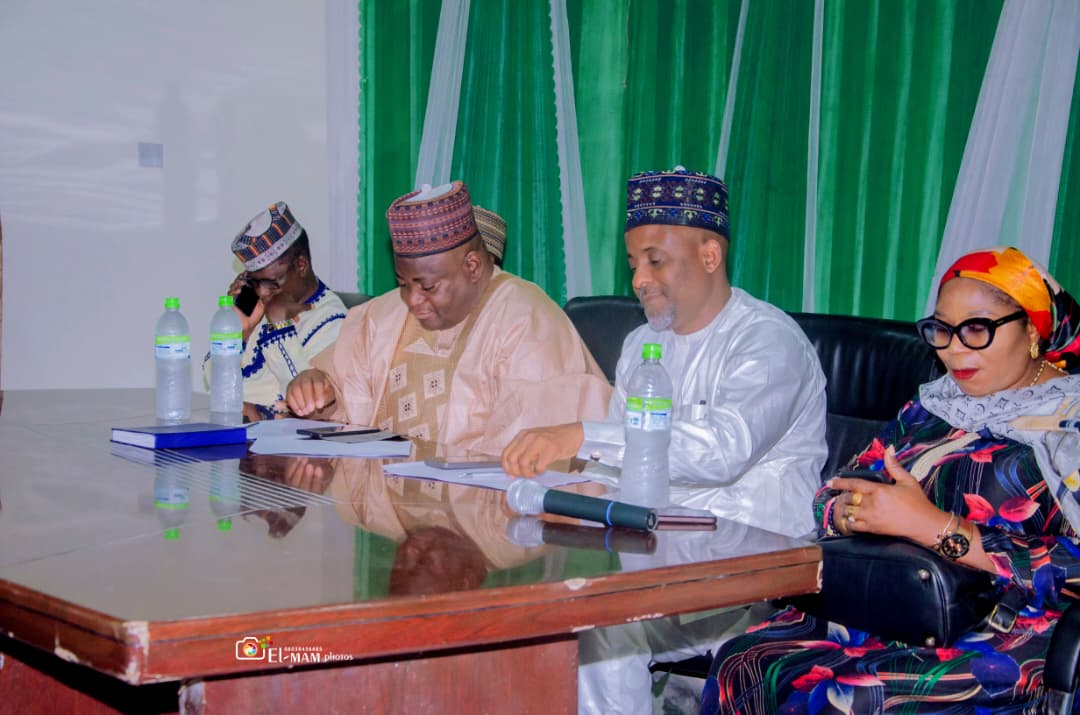
The Nigeria Union of Journalists (NUJ) and the Kano State Ministry of Information and Internal Affairs have endorsed the creation of the League of Veteran Journalists of Kano, a professional advisory and mentorship body to preserve the standards, history and integrity of journalism in the state.
The decision was part of the resolutions of a Media Interactive Dialogue held on Wednesday at the NUJ Press Centre, Kano.
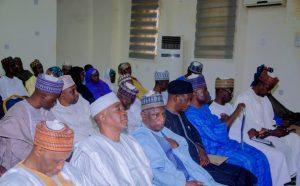
The event brought together veteran journalists, active media practitioners, journalism educators, union leaders, media managers, news editors, senior civil servants and other stakeholders, with the aim of strengthening ethical journalism and reshaping media practice in Kano State and beyond.
The engagement, which formed part of activities marking the two-day National Executive Council (NEC) meeting of the NUJ, provided a platform for seasoned journalists to share their experience with younger colleagues while addressing contemporary challenges facing the profession.
A nine-member committee was inaugurated to design the league’s structure, membership criteria and operational framework. Members are Alhaji Baba Halilu Dantiye, Alhaji Ahmed Aminu, Alhaji Mohammed Danyaro, Alhaji Abdulkadir Kwakwatawa, Professor Umar Faruk Jibril, Associate Professor Sule Ya’u Sule, Dr Saminu Umar Rijiyar Zaki, Mustapha Gambo Muhammed and Hauwa Sulaiman Zaharaddeen.
For his part, the state Commissioner for Information and Internal Affairs, Comrade Ibrahim Abdullahi Waiya, reaffirmed the Kano State Government’s commitment to creating a journalist-friendly environment.
Comrade Waiya commended the NUJ for hosting its NEC meeting in Kano and pledged continuous support for initiatives aimed at effective public information dissemination.
He emphasised the government’s efforts in settling pension arrears of retired journalists, investing in media infrastructure, enhancing human capital development and tackling security challenges in the state.
The commissioner described the dialogue as a timely intervention in strengthening professional ethics, assuring that the State Government would continue to partner with the NUJ and veteran journalists to improve the quality of journalism in Kano.
Earlier, NUJ National President, Comrade Alhassan Yahaya, said the interaction recognised the sacrifices and contributions of veteran journalists, describing them as the watchdogs of society.
“This engagement provides a platform to share experiences, acquaint the younger generation with the rudiments of journalism, and discuss the need to adapt to modern techniques,” he said.
Former NUJ National President, Comrade Sani Zoro, reflected on the remarkable impact of the Kano State chapter at the national level, noting the number of revered officials it had produced over the years.
Veteran contributors — including former Commissioners of Information and Internal Affairs, Alhaji Baba Halilu Dantiye and Professor Umar Faruk Ibrahim; former Permanent Secretaries, Alhaji Muhammad Danyaro and Alhaji Ahmed Aminu; Associate Professor Sule Ya’u Sule; and Alhaji Abdulkadir Ahmad Kwakwatawa — urged younger journalists to uphold professional ethics for a prosperous future.
They also called for regular engagements with veterans to strengthen the profession’s integrity.
Key resolutions from the dialogue included organising quarterly media dialogues to sustain ethical standards and professional development, encouraging veteran journalists to mentor upcoming practitioners using digital platforms, and providing convergence facilities for retired journalists to foster intellectual exchange.
Others were ensuring broadcast media recruit trained and articulate presenters, establishing recognition and reward systems for journalists who uphold high ethical values, prioritising socially relevant content aligned with the state’s socio-cultural realities, and supporting the creation of strong private television stations to boost Kano’s national visibility.
The dialogue concluded with a renewed pledge from all stakeholders to work collectively towards a vibrant, responsible and respected journalism practice in Kano State and Nigeria.
PIAK