


The Oyo State Government, in collaboration with the United Nations Children’s Fund (UNICEF), has convened a two-day capacity-building workshop to strengthen community engagement and promote Accountability to Affected Populations (AAP).
Held in Lagos State, the workshop brought together stakeholders from Southwest states and Edo, including government officials, civil society organisations, community leaders, and development partners.
The goal was to enhance inclusion, prioritise feedback mechanisms, and protect the rights of children and vulnerable groups.
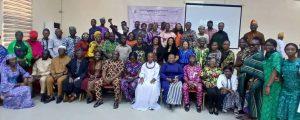 Declaring the workshop open, Permanent Secretary of the Oyo State Ministry of Information and Orientation, Mr Rotimi Babalola, commended UNICEF for its long-standing support to the state.
He praised the AAP initiative, saying it addresses critical challenges affecting marginalised populations.
“If the population is not planned and programmed for, vulnerability among children and women will increase,” he said.
He urged participants not to treat the training as routine but to return to their states with renewed commitment to inclusive policies.
“As representatives of our various MDAs and community groups, we must take this knowledge back home and advocate better care and inclusion for women and children. It is a sacrifice we must make for a better society,” he added.
UNICEF Social and Behaviour Change (SBC) Specialist at the Lagos Field Office, Mrs Aderonke Akinola-Akinwole, said SBC relies on data and community insights to design solutions that drive sustainable change.
“Social and Behaviour Change empowers people to take action and make positive changes in their lives. It’s not just about communication; it’s about involving communities in the process so that they can take ownership of their development,” she said.
She encouraged participants to apply SBC tools to advance the rights of children in their states.
UNICEF SBC Specialist in Abuja, Ms Amina Bala, who presented on AAP, explained that the concept ensures the voices of vulnerable populations are central to planning and delivery of services.
“AAP is not just about providing services, it’s about listening to communities, responding to their concerns, and ensuring they play a role in decisions that affect them,” she explained.
Ms Bala urged states to embed AAP in their policy frameworks and create channels for communities to give feedback and shape programmes.
The workshop is expected to help participating states develop strategies that promote accountability, deepen community involvement, and improve support for children, women, and underserved populations.
PIAK