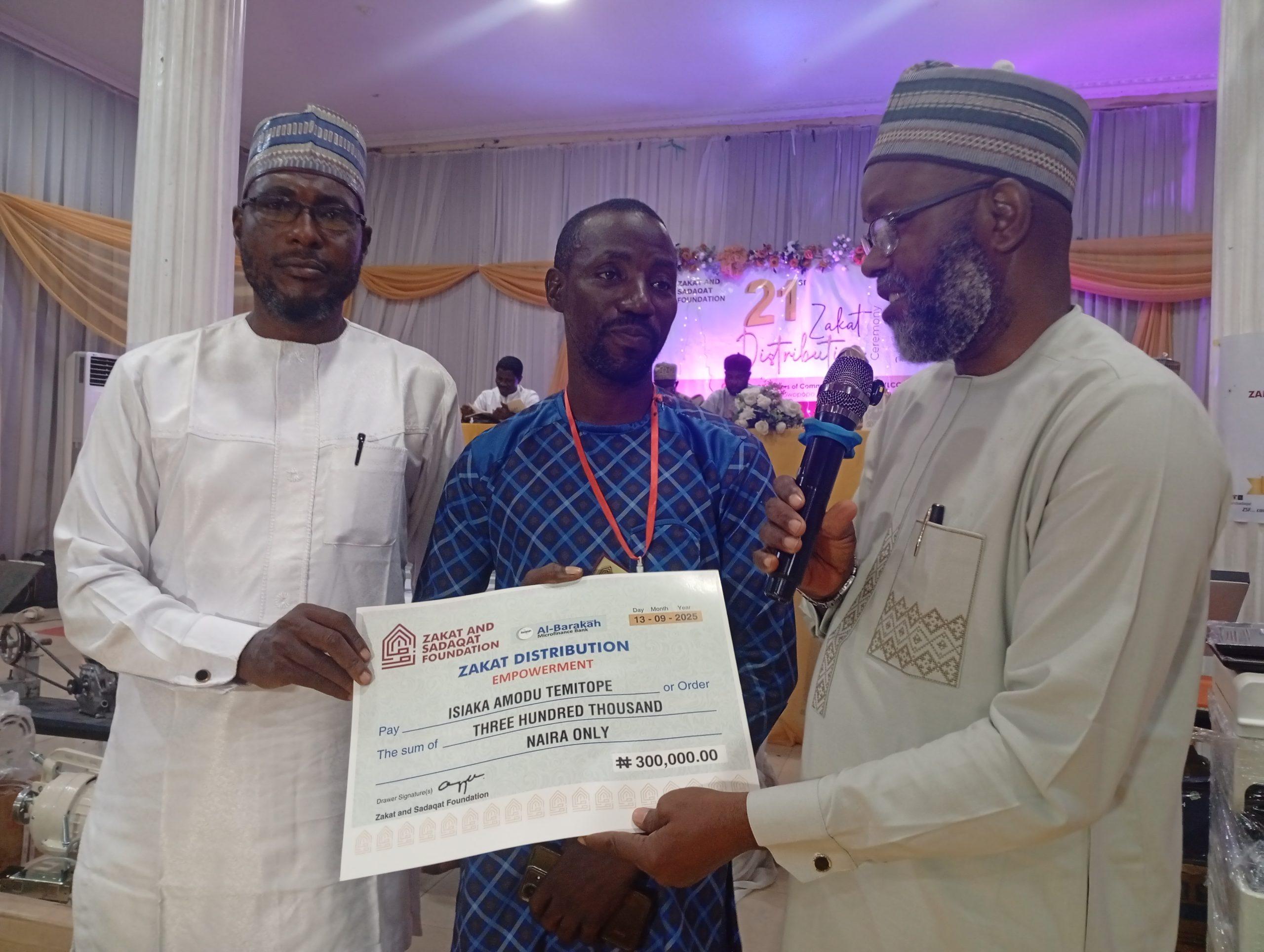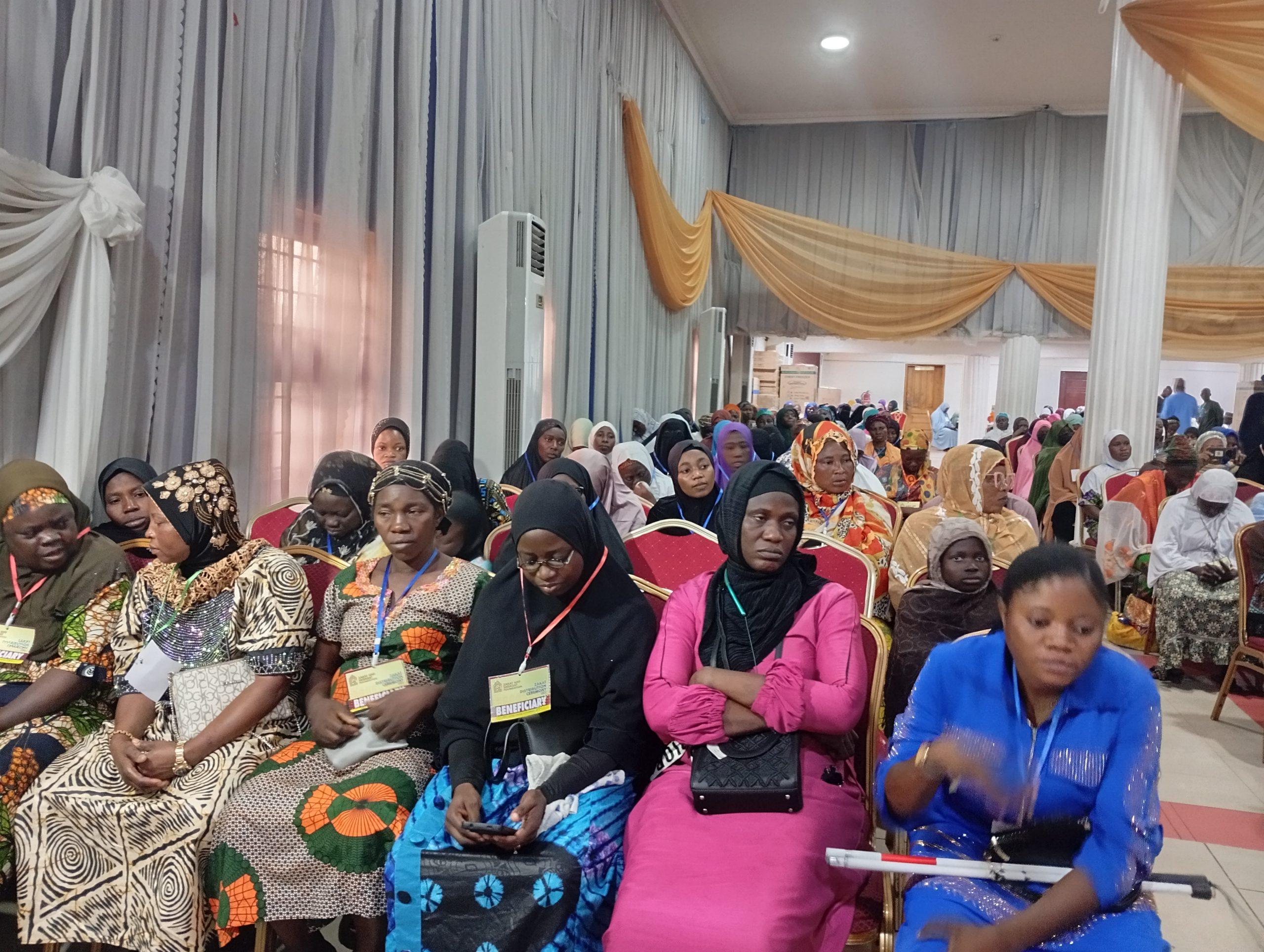
A Charitable organisation in Nigeria, the Zakat and Sadaqat Foundation has disbursed N296.6 million to 1,835 beneficiaries in Lagos during its 21st annual Zakat distribution ceremony.
The development reinforced its long-standing commitment to poverty alleviation and empowerment across Nigeria.
Chairman of the Board of Directors, Professor Tajudeen Yusuf, said “the foundation had distributed over N5 billion in the last 21 years to support vulnerable Nigerians, stressing that partnerships with government and stakeholders are critical to reaching more people.”
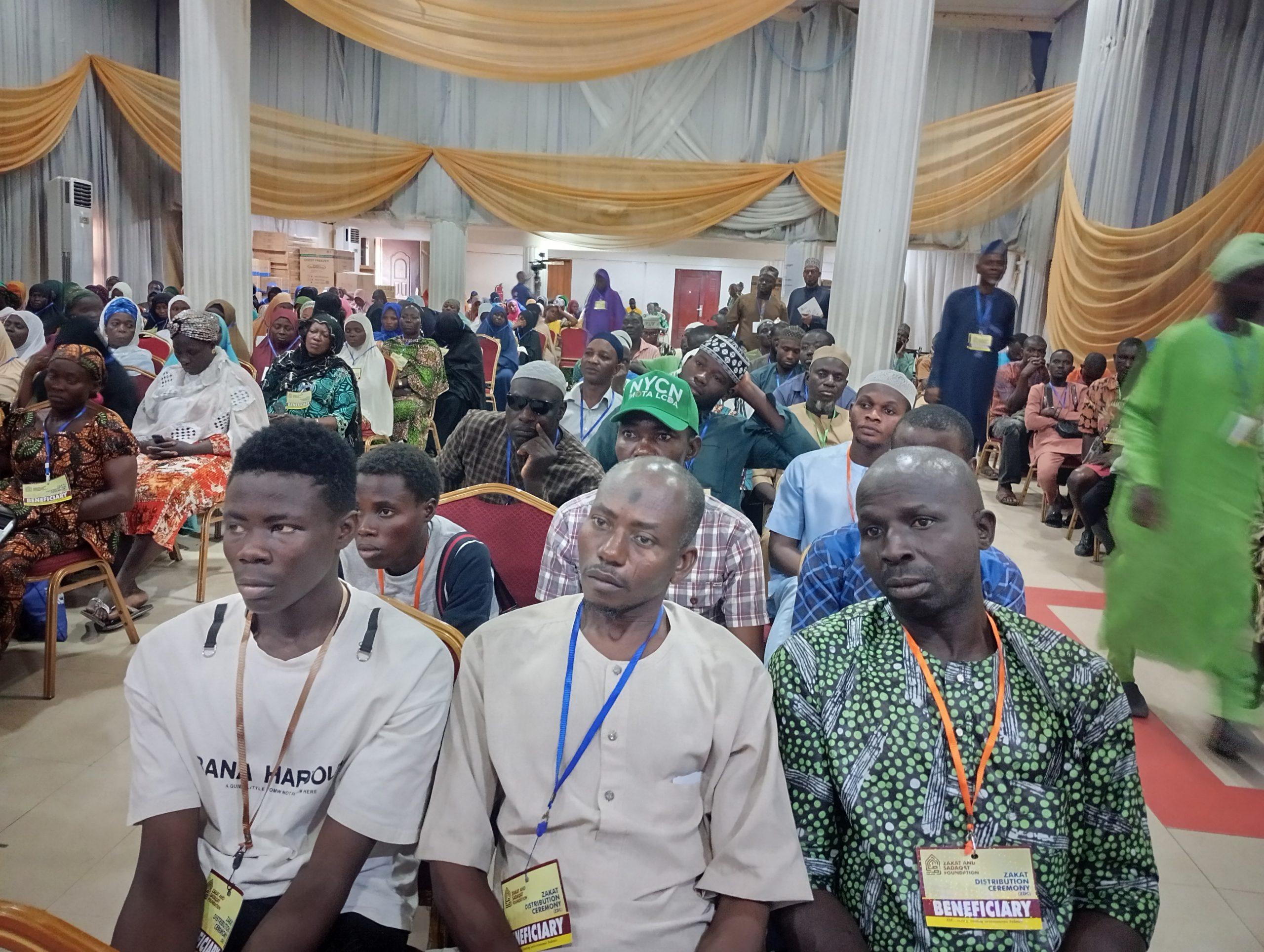
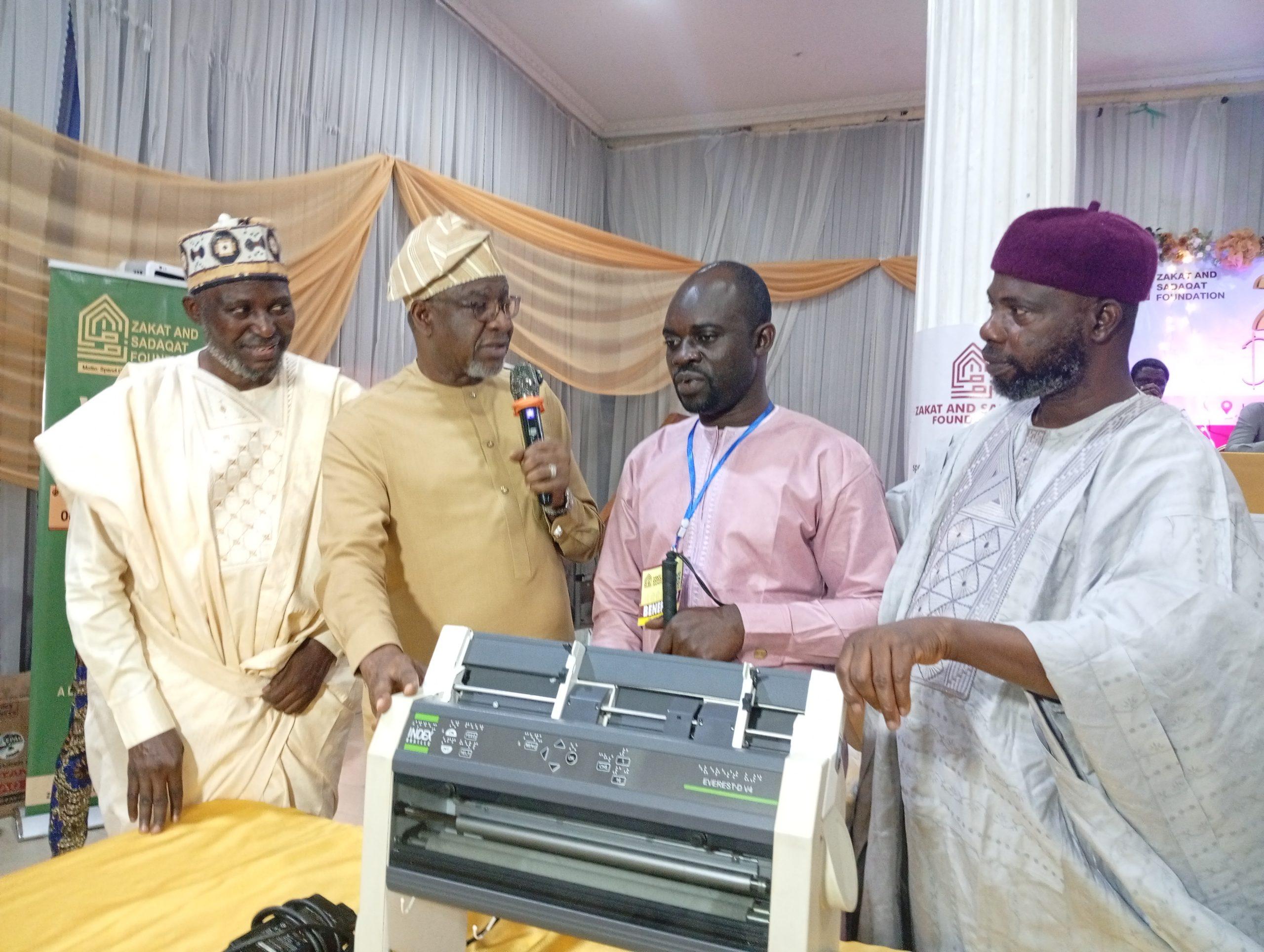
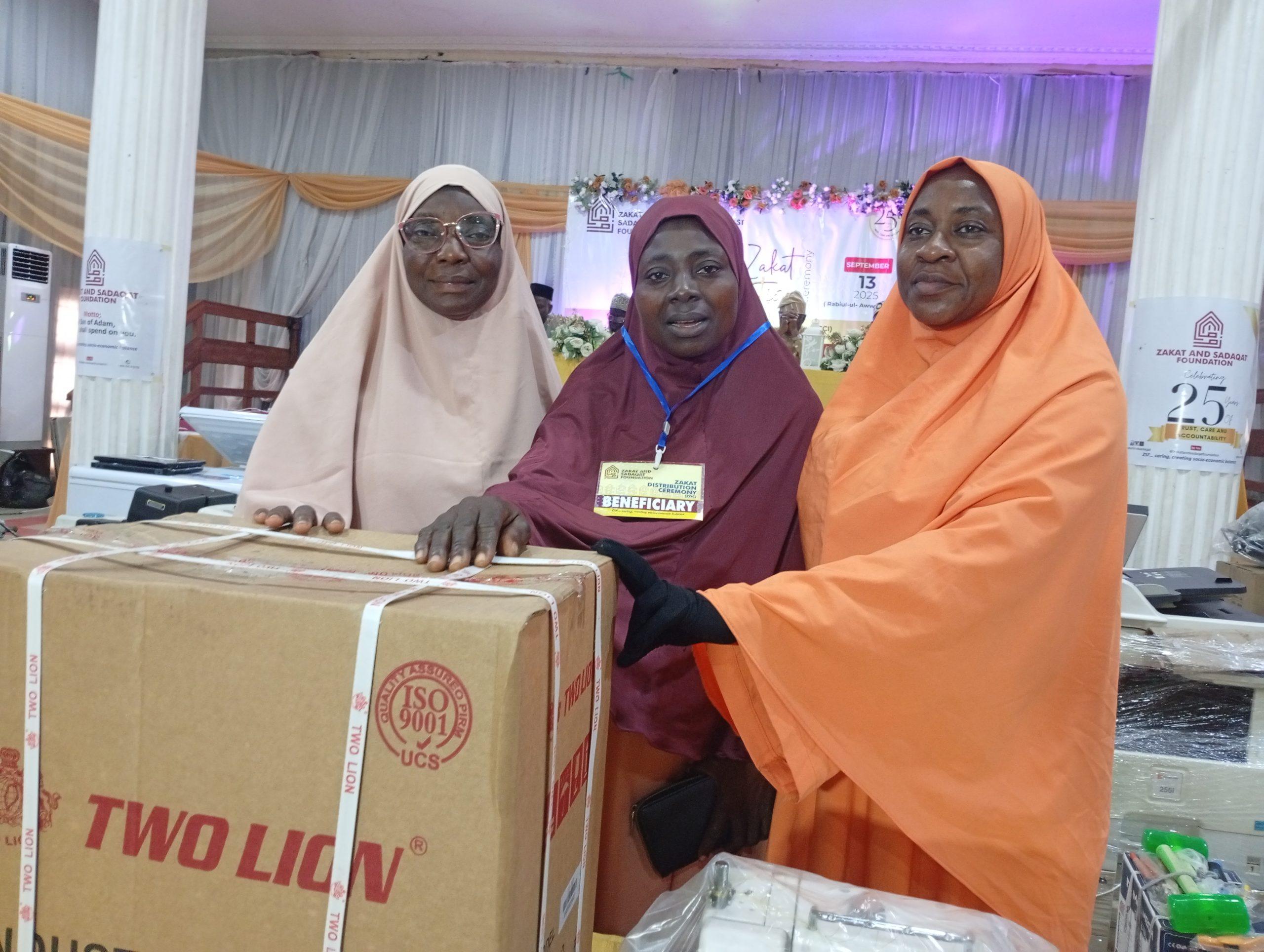
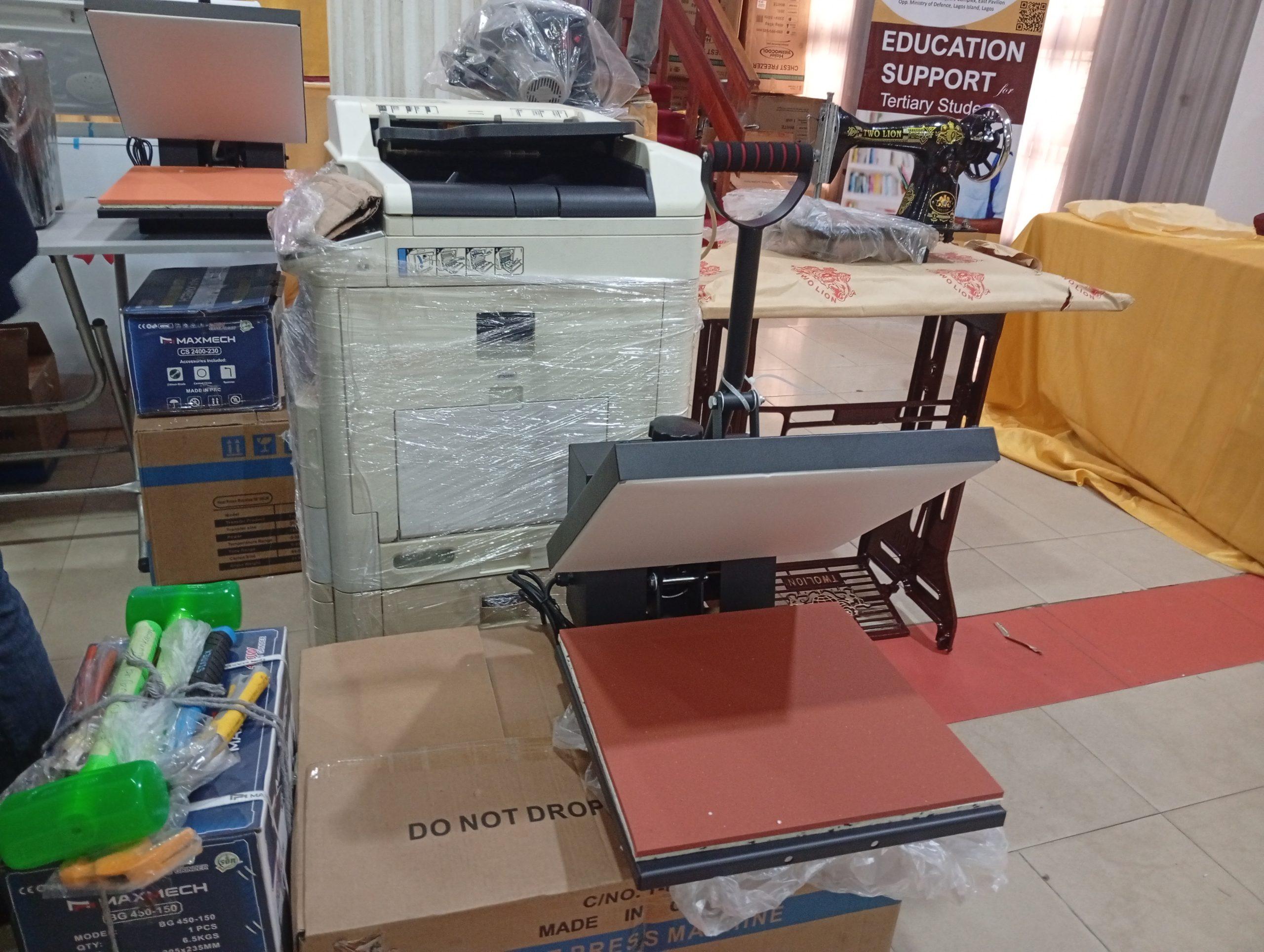
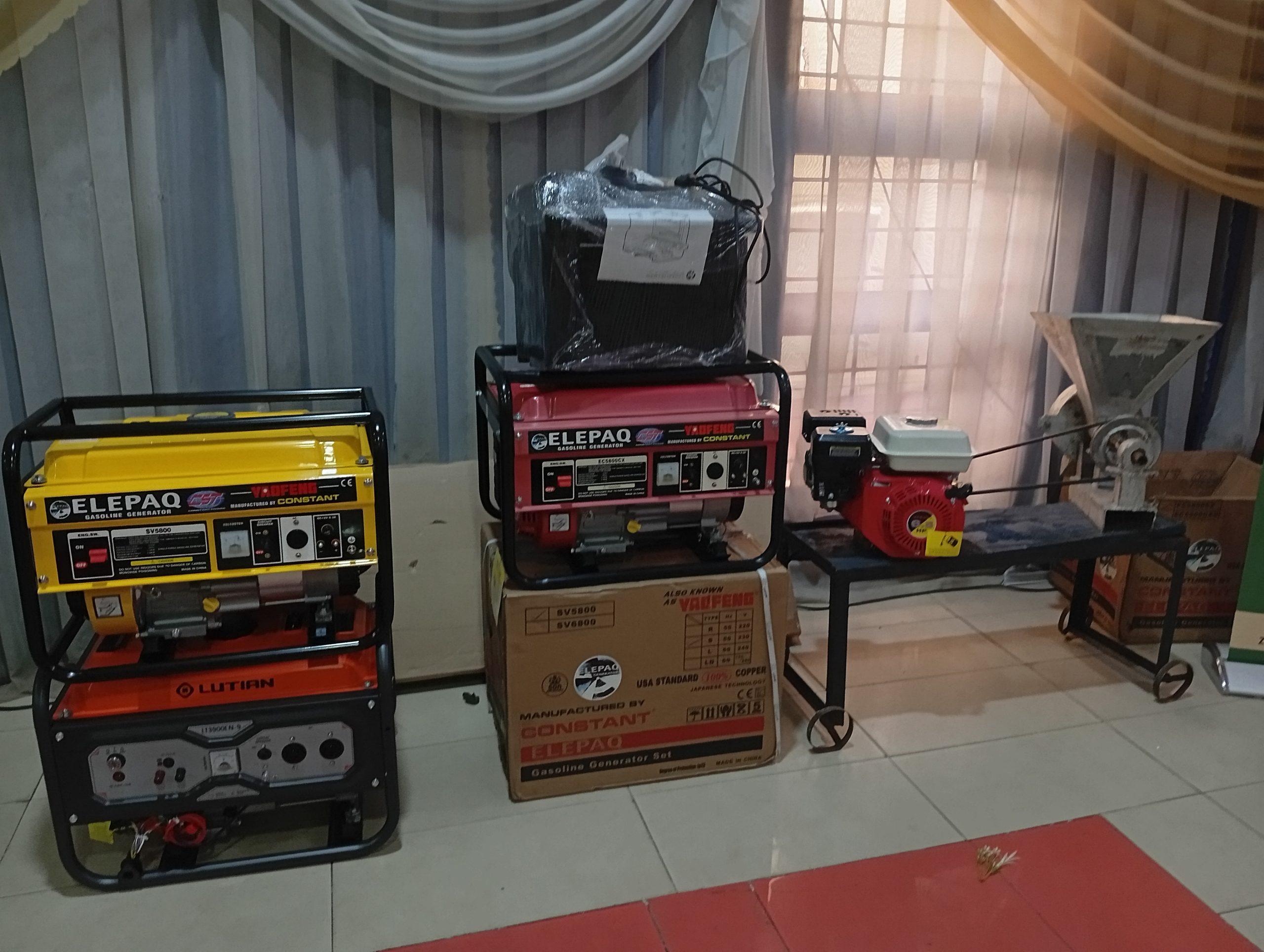
At this year’s ceremony, beneficiaries received empowerment items such as Braille machines, sewing machines, grinding machines, laptops, deep freezers, photocopiers, and generators to boost self-reliance and create income-generating opportunities.
The Executive Director, Prince Sulayman Olagunju, explained that Zakat distribution goes beyond wealth transfer, as it aims to restore dignity, hope, and opportunity to disadvantaged Nigerians.
He noted that in 2024 alone, the foundation had disbursed N653 million across 28 states.
According to him, since inception, the foundation has distributed over N3 billion in Zakat and N2 billion in Sadaqat, directly impacting more than 100,000 Nigerians and reaching over 600,000 indirectly. He also highlighted the foundation’s Business Plan Competition, which has disbursed over N103 million to 208 young entrepreneurs in the last decade, many of whom now employ others.
The Chairperson of the event, Dr. Ismail Akindele, praised the foundation as a model of community-driven development, noting that its interventions in education, health, and vocational training have restored hope to thousands of families.
He urged continued support from donors and partners, stressing that “sustained investment in such initiatives is crucial to tackling poverty and promoting inclusive growth.”
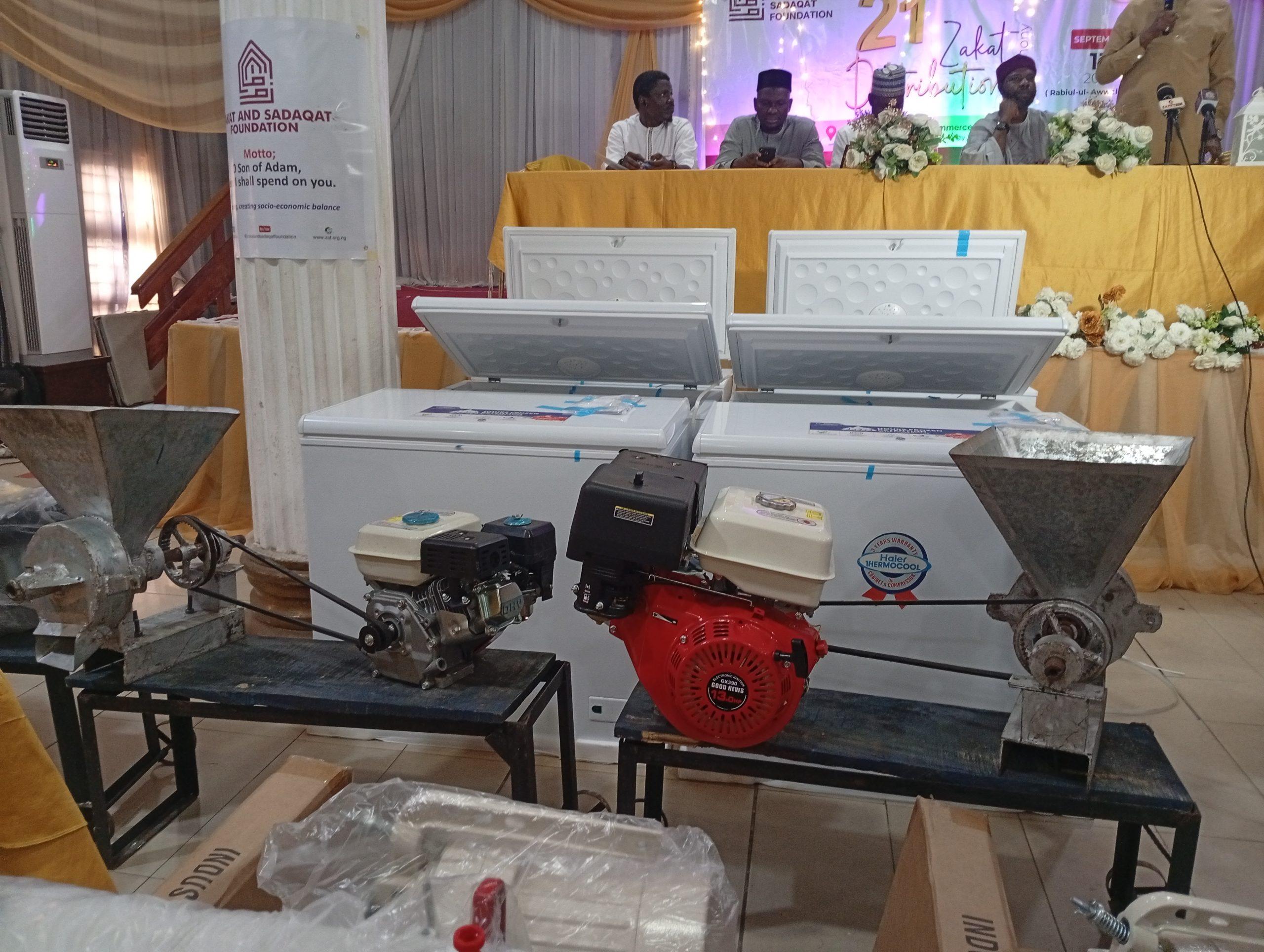
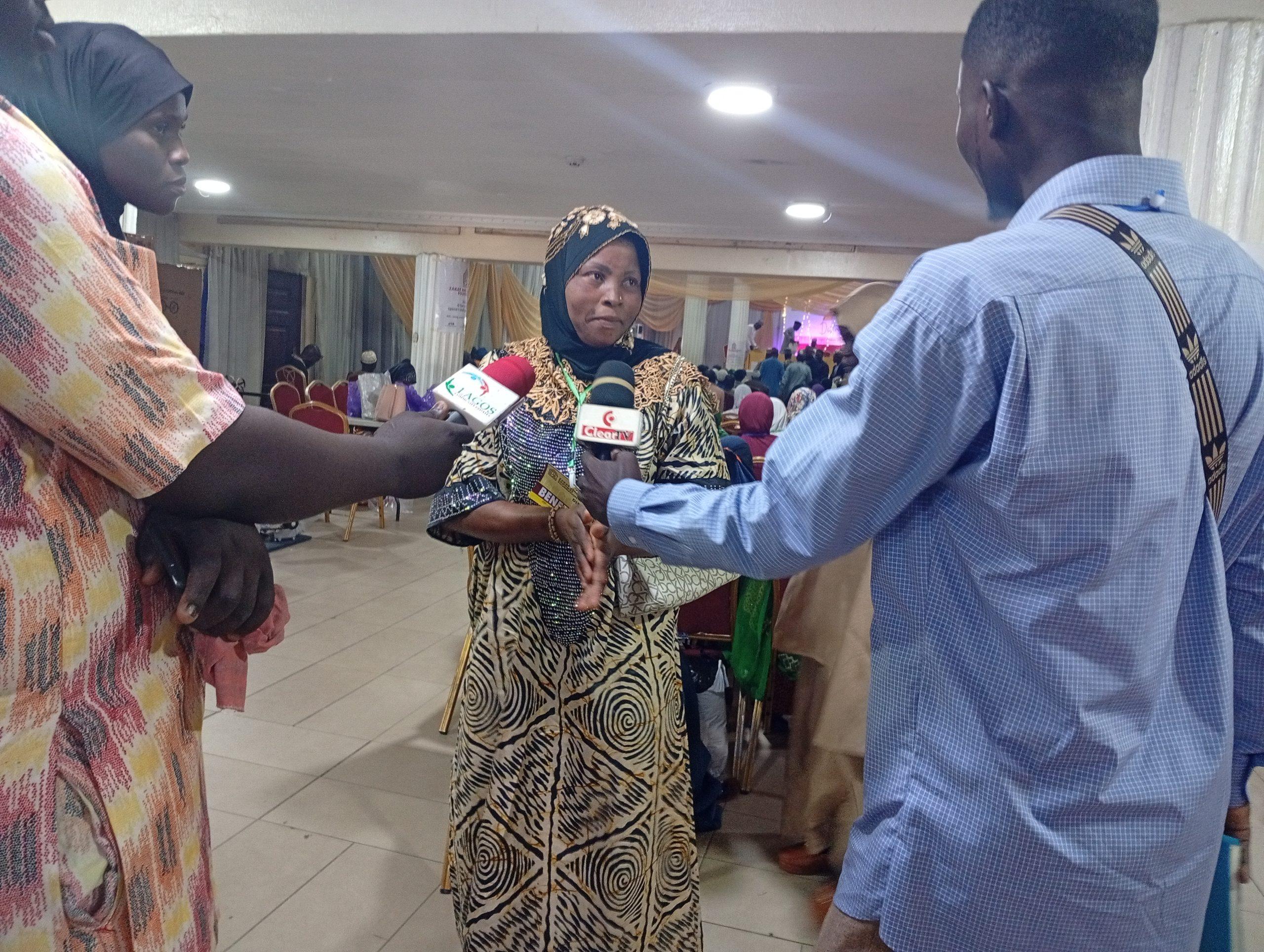
Beneficiaries at the event expressed gratitude for the support. A visually impaired recipient, Ajibade Ibrahim, who received a Braille machine worth over N1.5 million, described it as life-changing, while others, including market women and artisans, commended the foundation for transparency in its distribution process.