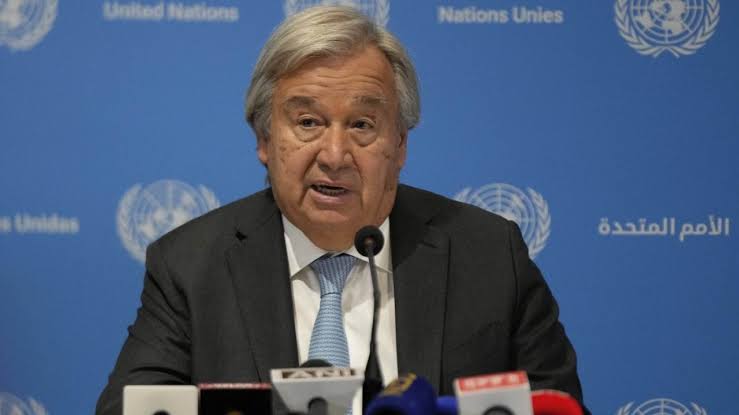
The United Nations High Commissioner for Human Rights, Volker Türk has described reparatory justice for colonialism, enslavement, and the transatlantic slave trade as essential to dismantling systemic racism.
Speaking on Tuesday at the fifth session of the UN Permanent Forum on People of African Descent, Türk commended the progress made in advancing racial justice and equality over recent decades.
These gains, he noted, include the enactment of anti-discrimination laws, the establishment of independent human rights and equality institutions, and initial steps toward reparations.
READ ALSO: UN Chief Urges ACP to Rebuild Trust in Multilateralism
Despite this progress, Türk said “the situation for people of African descent worldwide remains uneven and fragile, with some regions experiencing setbacks.”
He highlighted persistent, everyday discrimination in areas such as employment, healthcare, education, and interactions with law enforcement.
According to him, “poverty levels remain consistently higher among people of African descent across all regions, particularly among women, young people, and those facing multiple layers of discrimination.”
“Racism and dehumanising rhetoric still pervade our public institutions, communities and online platforms,” he declared, stressing that “digital technologies, including AI, are reproducing and amplifying existing biases against people of African descent.”
Türk said; ” These daily realities are the direct legacy of colonialism and enslavement.”
Anti-racism laws, policies and practices which can lay the foundation for safer, fairer, and more inclusive societies, should be adopted and enforced
Young people of African descent and members of civil society should be included at all levels of decision-making
On the latter, Türk welcomed the General Assembly’s March 25 resolution declaring the transatlantic slave trade the gravest crime against humanity and the decision by certain governments and institutions to issue apologies and return artefacts.
At the same time, he warned, “efforts to advance reparatory justice are facing resistance in some quarters. So, we need to make sure that advocacy around it is creative and firmly grounded in human rights.”
This year’s session of the forum is being framed as an opportunity to advance the human rights of the African diaspora.
Panels and discussions will examine reparatory justice through the return of cultural artefacts; the human rights situation of youth of African descent; and the implications of the Durban Declaration and Programme of Action, which remains the most comprehensive global framework for combating racism, racial discrimination, xenophobia, and related intolerance, 25 years on from its adoption.
NAN