

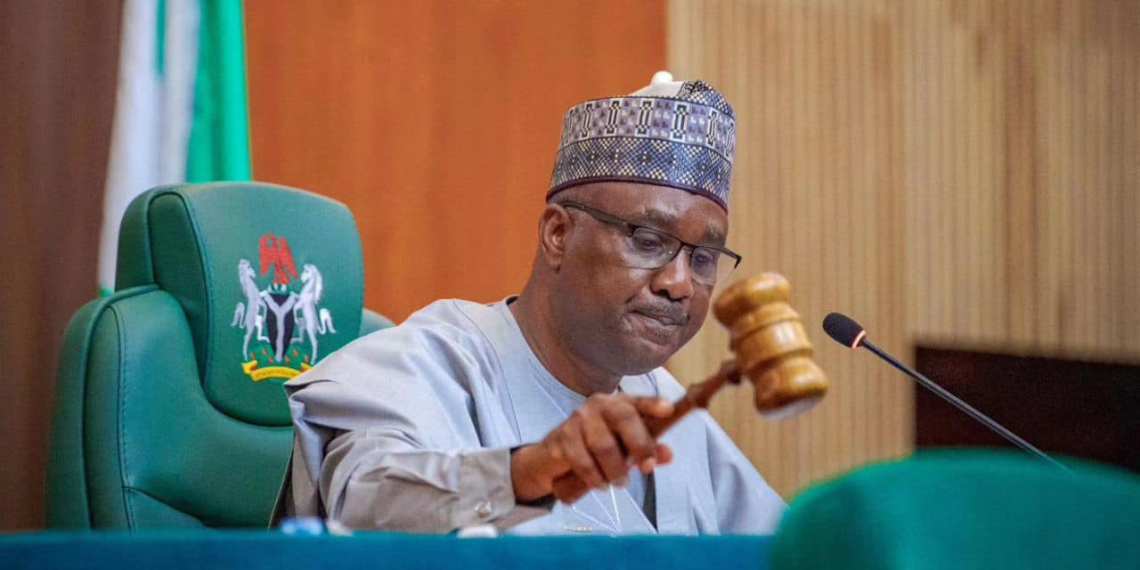
A major legislative effort to modernise workers’ protection in Nigeria has advanced, as the Occupational Health and Safety Bill, 2025, scaled second reading in the House of Representatives.
The proposed law seeks to provide a stronger and more comprehensive legal framework for the safety, health, and welfare of workers across all workplaces in the country.
Sponsored by the Deputy Speaker, Benjamin Kalu, and six other lawmakers, the bill aims “to repeal the existing Factories Act, Cap F1, LFN, 2004, which has been widely criticised for being narrow in scope, weak in enforcement, and outdated.”
The current Factories Act, which dates back to 1958, mainly covers traditional industrial workplaces and does not address the realities of modern work environments.
Labour unions, safety advocates, and international bodies such as the International Labour Organisation (ILO) have long called for its replacement, noting that “it excludes large segments of the workforce and contributes to underreporting of workplace accidents.”
If enacted, the Occupational Health and Safety Act, 2025, will expand coverage beyond factories to include construction sites, farms, mines, and corporate offices.
Co-sponsor David Zachariah said the proposal was a crucial intervention for Nigerian workers, stressing that “the existing framework no longer reflects current work patterns.”
Supporters also argue that adopting globally recognised safety frameworks would enhance Nigeria’s compliance with international labour standards and improve the country’s attractiveness to foreign investors.
Deputy Speaker Kalu, who presided over the session, referred the bill to the Committees on Labour, Employment and Productivity, and Safety Standards and Regulations for further legislative action.
Meanwhile, the Society of Occupational and Environmental Health Physicians of Nigeria (SOEHPON) has pledged its support for the bill.
SOEHPON noted that “it has been working with lawmakers to improve occupational health and safety practices across all sectors, including the informal economy.”
The group, alongside the Nigeria Labour Congress (NLC) and other stakeholders, has been a leading advocate for the legislation aimed at ensuring legal protection and safer working conditions for Nigerian workers.