

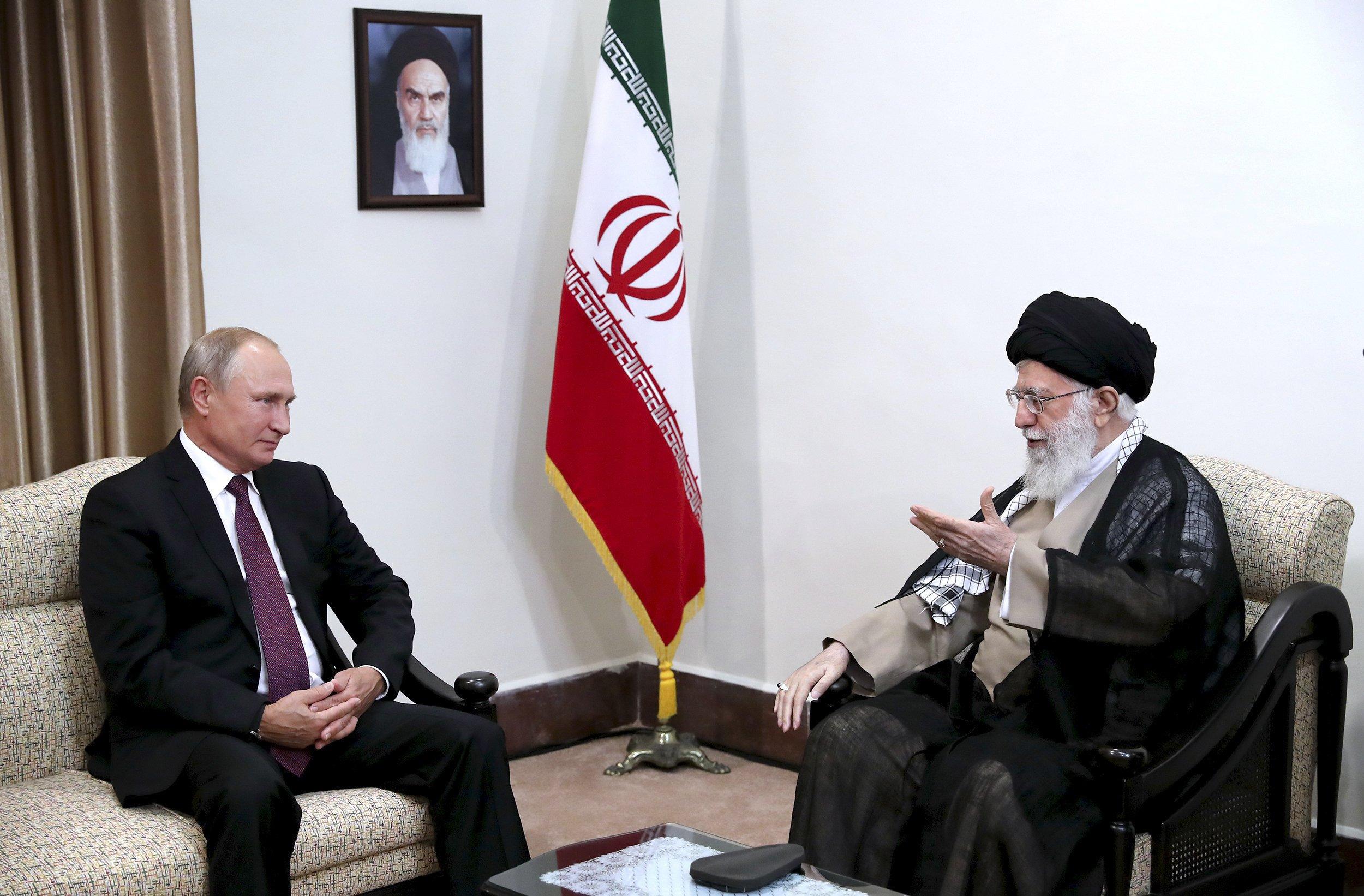
Russia announced on Wednesday that it is willing to assist in resolving tensions over Iran’s nuclear program by removing Tehran’s highly enriched uranium (HEU) and converting it into fuel for civilian reactors—a move Moscow sees as a practical way to help narrow the gap between the United States and Iran.
Tehran maintains that its nuclear program is for peaceful purposes, but its rapid uranium enrichment has triggered growing concerns in Western nations and Gulf states, who suspect Iran may be edging toward weapons development.
The U.S. has been working to revive negotiations aimed at curbing Iran’s nuclear activities. However, President Donald Trump, in a newly released interview, expressed less optimism than in recent months about Iran agreeing to halt its enrichment efforts.
Last week, the Kremlin revealed that President Vladimir Putin had discussed the matter with Trump by phone, offering to leverage Russia’s strong ties with Iran to support diplomatic efforts.
On Wednesday, Russian Deputy Foreign Minister Sergei Ryabkov stated that Russia is ready to contribute both politically and practically. “We are prepared to assist both Washington and Tehran not only with ideas for negotiations but also through concrete measures—for instance, exporting Iran’s excess enriched uranium and adapting it for reactor fuel,” Ryabkov told Russian media.
He did not clarify whether the converted nuclear fuel would be returned to Iran for use in its civilian reactors, which Russia has helped develop.
The U.S. has called for Iran to export all HEU, while Iran insists it will only export amounts that exceed the limit set in the 2015 nuclear accord. Tehran continues to reject the idea of completely halting its enrichment activities.
Kremlin spokesperson Dmitry Peskov reiterated Moscow’s willingness to act as a nuclear intermediary: “If the parties agree, Russia stands ready to provide this service,” he told reporters.
While Russia opposes a nuclear-armed Iran, it supports Iran’s right to pursue civilian nuclear energy under the 1970 Non-Proliferation Treaty and views any military action against Iran as unlawful.
Ties between Moscow and Tehran have deepened significantly, with Russia procuring weapons from Iran for the war in Ukraine and signing a 20-year strategic partnership with the Islamic Republic earlier this year.
The current crisis stems largely from Trump’s 2018 decision to withdraw from the landmark 2015 nuclear deal, which imposed strict curbs on Iran’s nuclear program in return for sanctions relief. After the U.S. reimposed sanctions, Iran expanded its enrichment efforts well beyond the limits of the original deal, amassing uranium far beyond what is necessary for peaceful energy use.
Reuters/s.s