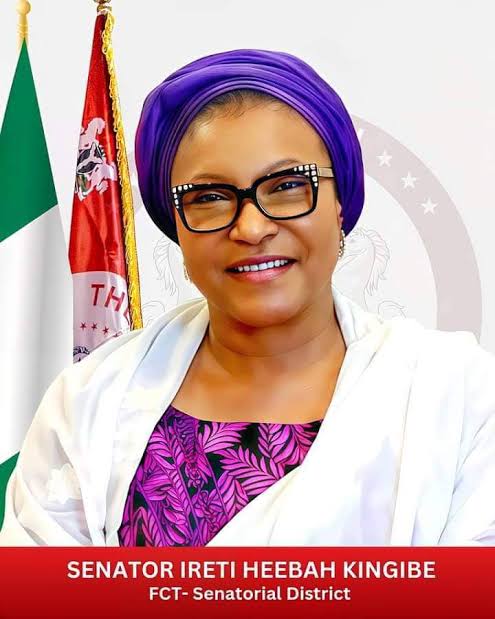
The Chairman Senate Committee on Women Affairs, Senator Ireti Kingibe, has called for more women inclusion in the emergency rescue and safety space.
She made the call in her keynote address, 9th Road Safely and Emergency Response Stakeholders Meeting with the theme: Women in Emergency Services in Nigeria , ROSERS 9.0, Positives, Barriers, and the Way Forward, held in Abuja.
She said that at the heart of national development is security and human dignity.
She noted that it is not only important to recognize the role of women in emergency services but to interrogate the systems that shape their participation and to chart a realistic path forward for a safer and more inclusive
Nigeria.
” We Must Acknowledge across Nigeria, women are serving bravely in emergency and safety sectors, as paramedics, firefighters, police officers, military personnel, road safety officers, and disaster response professionals.”
According to recent estimates from agencies such as the Nigerian Police Force and Federal Fire Service, women constitute less than 15–20% of personnel in most emergency services, with even lower representation in leadership roles.
” Yet, despite their relatively small numbers, their impact is profound. Women are often the first point of trust in crisis situations, particularly in cases involving children, survivors of sexual violence, and displaced populations. In humanitarian settings across the North-East, for instance, female responders have played critical roles in addressing gender-based violence and providing psychosocial support to victims .” Senator Kingibe said.
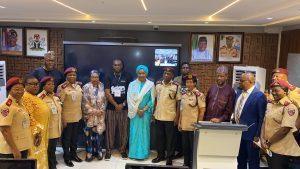
She, however, lamented that women’s participation continues to be constrained by deeply rooted structural and socio-cultural barriers.
” Nigeria’s largely patriarchal system still frames certain professions as unsuitable for women, especially those perceived as physically demanding or dangerous.
The Case for Women in Emergency Services The inclusion of women in emergency services is not simply a matter of fairness, it’s is a matter of effectiveness.” She said.
The lawmaker noted that the strengthing of gender-sensitive policies within all emergency service institutions and ensure they are not only adopted but implemented and monitored.
Investment in infrastructure and equipment. Facilities, uniforms, and operational tools must reflect the needs of a diverse workforce.
Zero tolerance for harassment and
discrimination, clear reporting mechanisms, protection for whistleblowers, and accountability frameworks must be established and enforced. Fourth, mentorship and leadership pathways.
We must intentionally create opportunities for women to rise
into leadership positions within emergency services.
Public Reorientation
Changing societal attitudes is critical. We must normalize women in all professions through education, media, and community engagement.
Conclusion: A Call to Action
As we reflect today, we must understand that building a safer Nigeria is a shared responsibility.
The government must create enabling policies. Institutions must reform their systems.