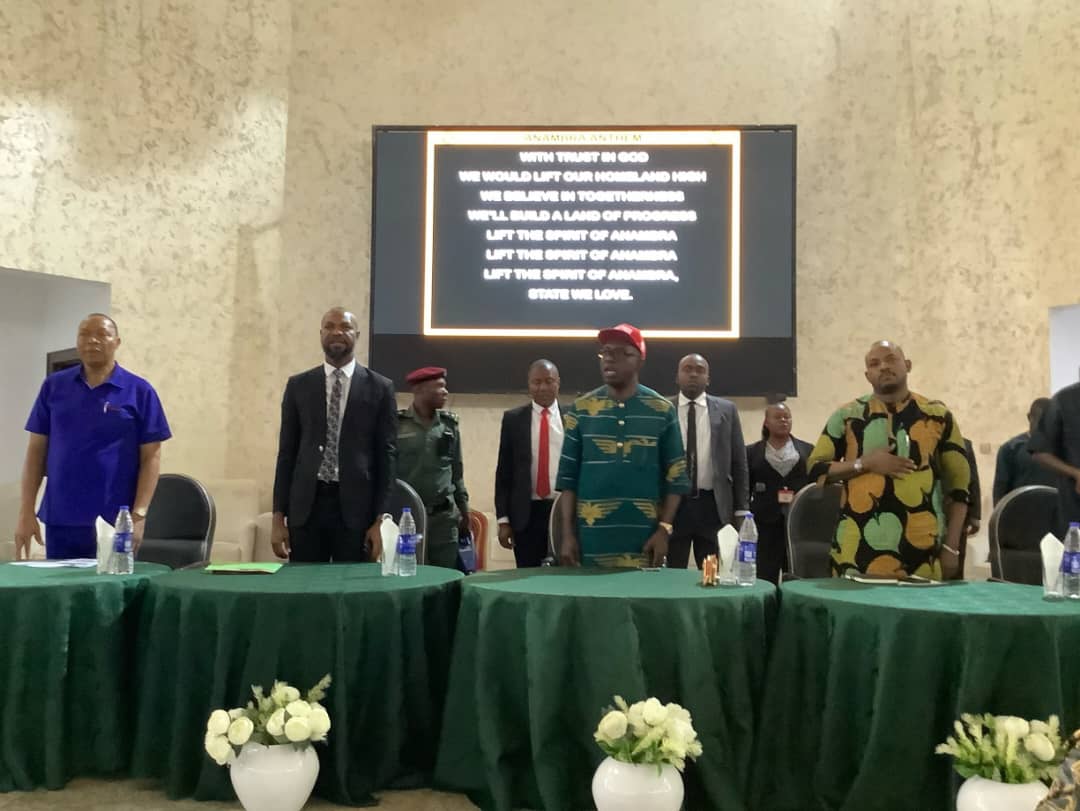
Anambra State Governor, Professor Charles Soludo, has announced a series of market reforms aimed at strengthening commerce, improving security, and boosting economic activities in southeastern Nigeria’s commercial hub.
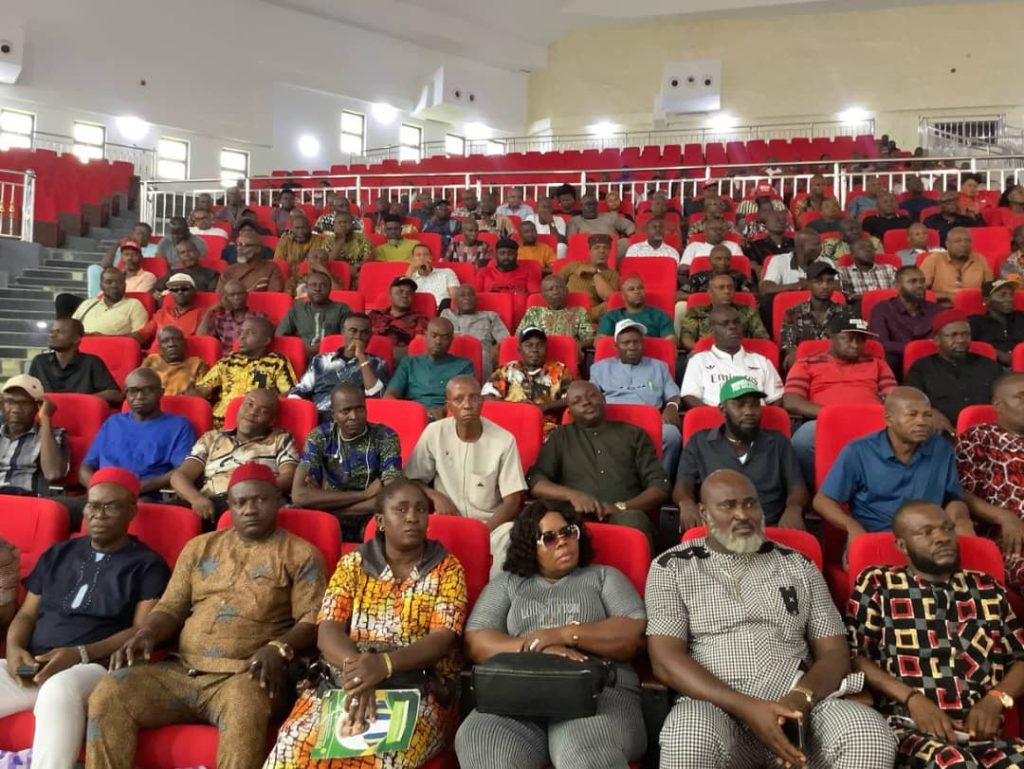
Speaking during a meeting with leaders of 41 major markets across the state at the Amphitheatre, Light House, Awka, the state capital, Soludo said trade and commerce remained the backbone of Anambra’s economy and a critical source of livelihood for millions of Nigerians.
The governor said his administration had completed the demolition of deteriorated sections of the Onitsha Main Market, one of West Africa’s largest trading centres, adding that contractors would soon begin work to modernise the market environment.
He disclosed that other markets across the state would also undergo phased renovations as part of efforts to create safer, cleaner, and more efficient commercial spaces capable of attracting local and international investors.
“Our markets are strategic economic assets, not only for Anambra State but for Nigeria as a whole,” Soludo said. “We want to build modern markets that are secure, organised, and globally competitive, where traders and consumers can operate comfortably.”
The governor directed that all markets in the state must operate from Monday to Saturday and remain closed only on Sundays and officially recognised public holidays.
He warned that the state government would not tolerate any attempt by non-state actors to disrupt commercial activities or impose illegal restrictions on trading operations.
“No one will be allowed to cripple economic activities in Anambra State,” Soludo said. “Anyone attempting to do so will face the full weight of the law. In the new Anambra we are building, law and order must prevail because economic growth can only thrive in a stable and secure environment.”
The governor noted that uninterrupted trading activities were essential to supporting businesses, protecting jobs, stabilising household incomes, and improving the welfare of citizens amid Nigeria’s current economic challenges.
He said the reforms were designed to make business operations easier and more predictable for traders while encouraging investment and expanding opportunities for small and medium-sized enterprises.

Market Laws
Soludo also called on the state Attorney General and Commissioner for Justice, Barrister Tochukwu Nweke, to explain the provisions of the newly enacted Anambra Trade and Market Law.
According to the governor, the law provides a legal framework for market administration, operational standards, leadership structures, and opening hours in markets designated as areas of economic importance.
He stressed that markets must provide adequate security, sanitation, parking facilities, and modern infrastructure to attract buyers from across Nigeria and neighbouring countries.
The governor further highlighted the growing transition from cash-based transactions to digital payments in Nigeria’s commercial sector, saying the shift had reduced the risks of robbery and financial losses previously faced by traders carrying large amounts of cash.
Soludo tasked the newly established Ministry of Commerce with driving policies that would simplify trading processes, improve efficiency, and strengthen Anambra’s position as a leading commercial destination in West Africa.
He said supporting traders and expanding commercial activities remained central to his administration’s broader economic agenda of job creation, poverty reduction, and improved living standards for residents.